
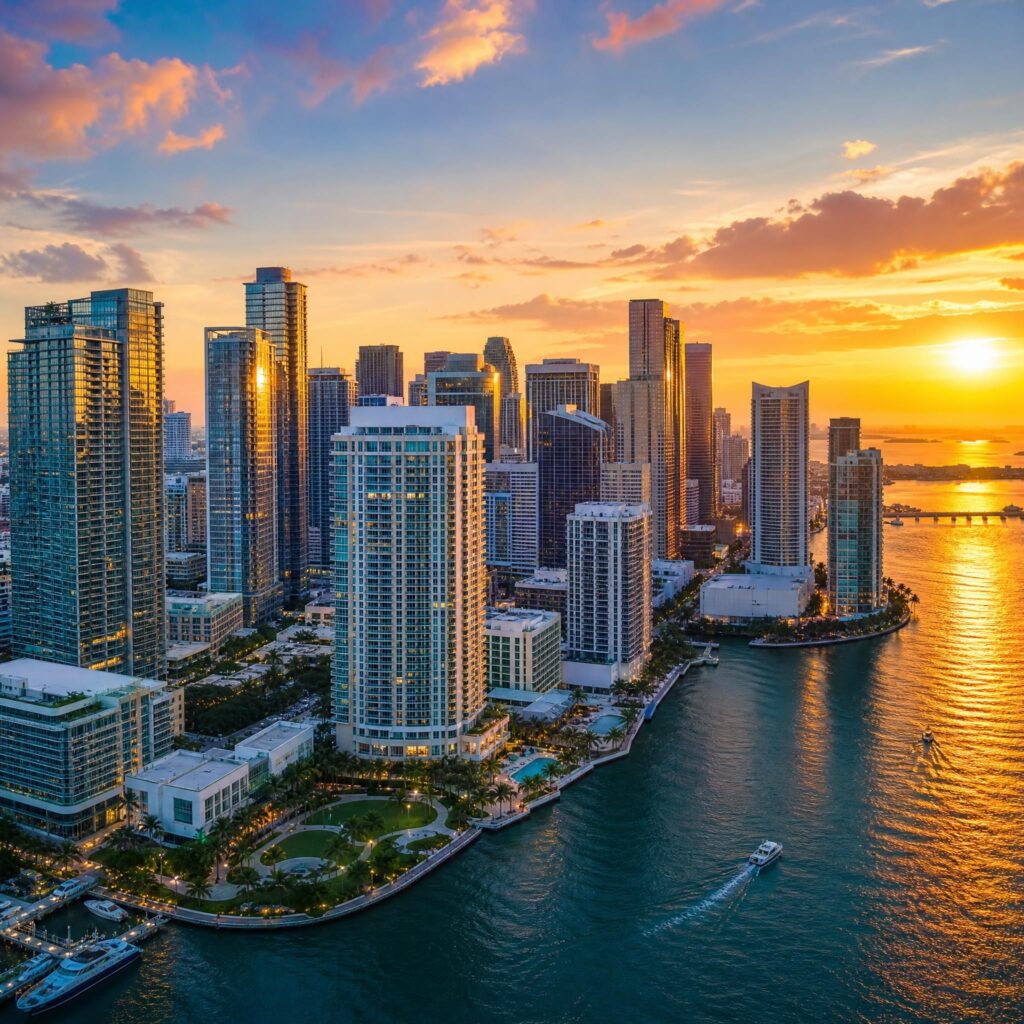
Miami's luxury new construction market in 2026 is not for the uninitiated. With over nine major pre-construction projects competing for attention in Brickell alone — and combined inventory exceeding 5,000 units across the city — the difference between a transformative investment and a costly mistake comes down to strategy, not luck. Whether you're eyeing a Nobu-branded penthouse in Brickell, a bayfront residence in Edgewater, or a boutique Four Seasons villa in Coconut Grove, the playbook you follow matters as much as the property you choose.
This guide cuts through the developer marketing, the glossy renderings, and the FOMO-driven sales pitches to give you a clear, actionable framework for buying new construction luxury homes in Miami with confidence. From evaluating developers to decoding HOA fees, structuring your financing, and identifying the neighborhoods with genuine appreciation upside — here is exactly what you need to know before you sign.
Table of contents
- Step 1: Define Your Buying Lens Before You Tour a Single Property
- Step 2: Evaluate the Developer — Not Just the Branding
- Step 3: Master the Pre-Construction Deposit Structure
- Step 4: Choose Your Neighborhood with Data, Not Emotion
- Step 5: Decode HOA Fees and True Carrying Costs
- Step 6: Finance Strategically — Including as an International Buyer
- Step 7: Negotiate, Inspect, and Close Like a Pro
- FAQ
- Key Statistics
Step 1: define your buying lens before you tour a single property {#step-1-define-your-buying-lens}
The single most common mistake luxury buyers make in Miami is touring properties before establishing a clear investment thesis. The Miami luxury real estate 2026 market requires you to ask three foundational questions before anything else:
- What is your primary objective? Primary residence, investment/rental income, or a hedge-and-hold strategy?
- What is your holding horizon? Pre-construction properties in Miami typically require 3–5 years before delivery and resale. If you need liquidity within two years, pre-construction is not your product.
- What is your lifestyle alignment? Urban walkability (Brickell), oceanfront glamour (Miami Beach), cultural energy (Wynwood/Design District), or waterfront serenity (Edgewater, Coconut Grove)?
Miami's luxury condo market in Q1 2026 is no longer functionally one market — it is two, diverging in opposite directions. Mainland Miami (Brickell, Edgewater, Coconut Grove, Downtown) is the growth story, absorbing a maturing pipeline of branded vertical luxury. Miami Beach is the scarcity story — land-constrained, supply-constrained, and increasingly insurance- and assessment-constrained.
Understanding which story you're buying into shapes every decision that follows.
Pro tip: Build your evaluation around three primary lenses — appreciation potential (where is the neighborhood trajectory heading?), developer execution risk, and unit-level floor and orientation analysis. In high-rise towers, the delta in appreciation between the best and worst type of unit can be as much as 30–40%, driven by square footage, master suite size, and orientation relative to views.
Step 2: evaluate the developer — not just the branding {#step-2-evaluate-the-developer}
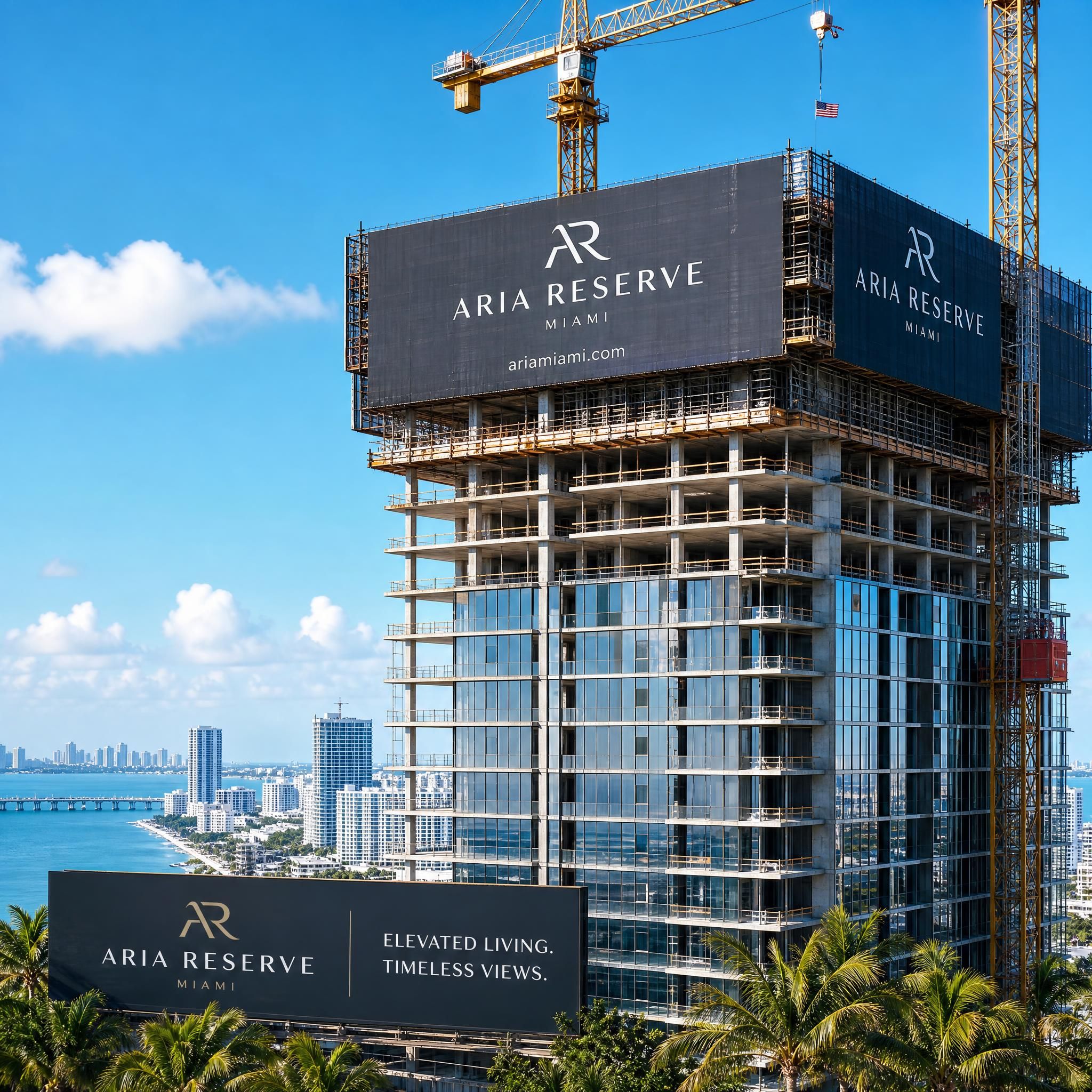
In a market flooded with fashion-house collaborations and celebrity-branded towers, developer track record is your most powerful due diligence tool. A prestigious brand name on the facade does not guarantee delivery quality, timeline adherence, or resale value.
The developer due diligence checklist
✅ Proven Delivery History
Successful luxury towers share specific characteristics: established developer track records, proximity to employment hubs, and high owner-occupancy rates. Related Group, which has built more Miami condos than any other developer over the past three decades — including Icon Brickell, Brickell Heights, and Paraiso — provides confidence in their ability to navigate permitting, manage construction timelines, and deliver buildings that maintain value.
✅ Apply the "Brand Mirage" Test
When being pitched a branded building (Nobu, Dolce & Gabbana, Bentley, Aston Martin), ask: Does this brand have a verifiable track record in real estate operations globally? Are there comparable buildings under this brand that have traded at resale premiums? If the answers are vague, treat the brand as decoration, not a value driver.
✅ Review Legal and Escrow Protections
Buyers should examine when each installment is due, whether deposits are held in escrow, whether any portion may be released under the contract, what events create default, and how disputes are handled. Florida law is protective of buyers — if a developer fails to follow escrow rules, the contract can often be voided by the buyer and all deposits returned with interest, so established Miami developers are meticulous in their escrow practices.
✅ Scarcity Analysis
The single biggest driver for appreciation in Miami luxury real estate is supply constraint — how many units are in the building, how many comparable units exist in the submarket, and how hard is it to replicate that product. Boutique towers with low unit counts in irreplaceable locations (waterfront, established neighborhoods) consistently outperform high-density towers over time.
Notable projects to know in 2026
| Development | Location | Price Range | Delivery | Key Differentiator |
|---|---|---|---|---|
| Four Seasons Private Residences | Coconut Grove | From $7M ($3,650/sq ft) | 2028 | 72 units, 75% sold, legendary service |
| 619 Brickell by Nobu | Brickell | Up to $60M | TBD | First Nobu-branded tower, wellness/biohacking concept |
| Lilli by OKO Group | Edgewater | Mid-luxury | TBD | 53-story sinuous bayfront tower |
| Mandarin Oriental Residences | Brickell | Ultra-luxury | TBD | 228 condos, KPF-designed, panoramic water views |
| Villa Miami | Edgewater | Ultra-luxury | Late 2027 | Only 64 residences, half/full-floor layouts |
"Four Seasons Coconut Grove is 75% sold with genuine market conviction — delivery 2028, entry at $7M"
— David Siddons Group Analysis Request the current operating budget and reserve study
- Confirm what is included (insurance, water, cable, valet, concierge)
- Ask about any pending or anticipated special assessments
- Review the HOA's reserve funding percentage (aim for 70%+ funded)
- Understand the rental policy — short-term rental restrictions affect investment yield
Step 6: finance strategically — including as an international buyer {#step-6-finance-strategically}
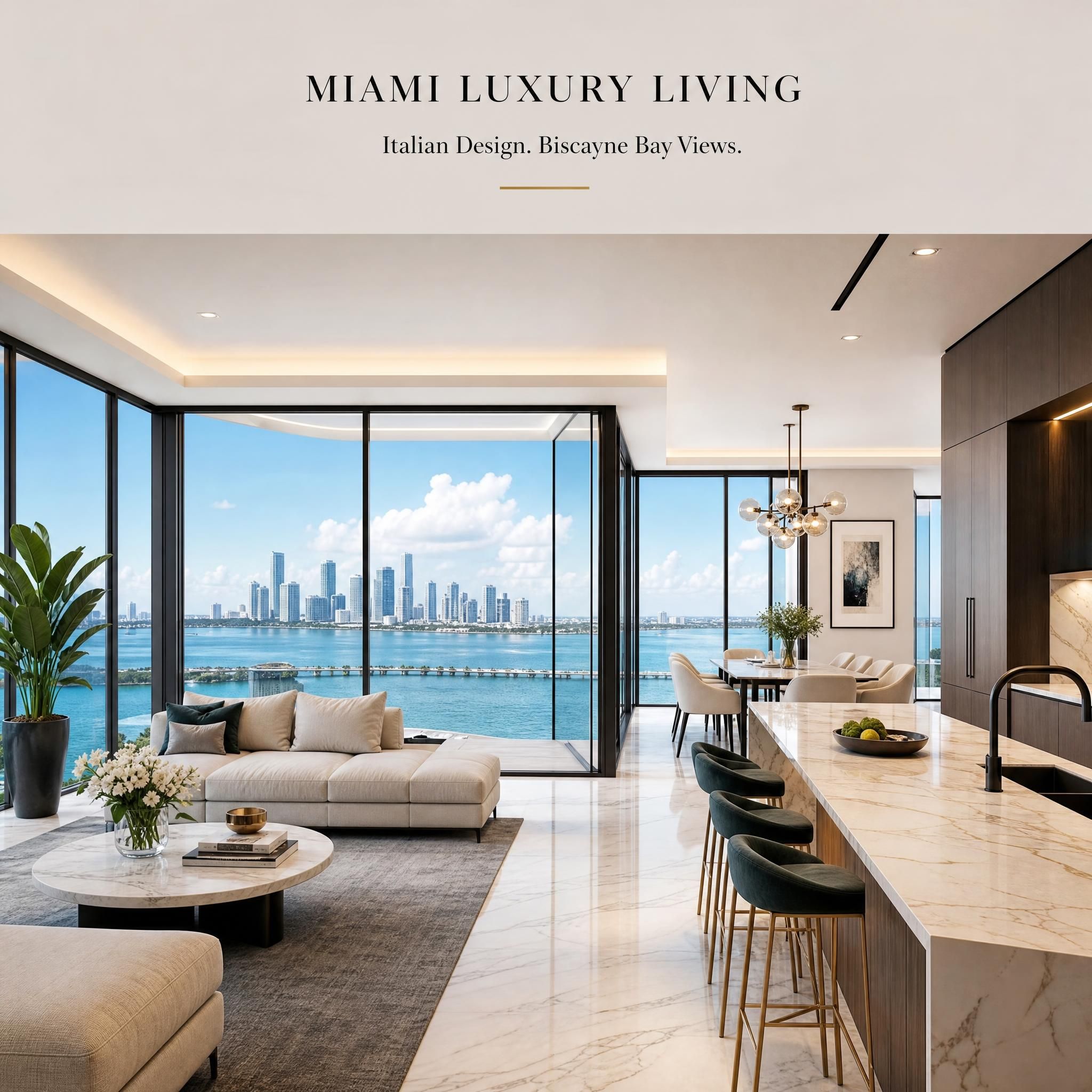
Over 50% of Miami homes above $1M are purchased with cash, signaling strong liquidity and pricing competition in high-end segments. But paying all cash is not always the optimal strategy — even for ultra-high-net-worth buyers.
Domestic buyers: leverage your position
For U.S.-based buyers, financing luxury new construction in Miami involves:
- Jumbo loans for properties above conventional loan limits (typically $726,200)
- Portfolio loans from private banks and wealth management arms — often more flexible on debt-to-income ratios for HNW clients
- Construction-to-permanent financing for pre-construction purchases (less common, but available through select lenders)
Locking in financing early in a pre-construction purchase is critical — interest rate environments can shift dramatically over a 3–4 year construction window.
International buyers: a specialized playbook
Miami is the top destination for international real estate buyers in the United States, offering a tropical climate, world-class culture, no state income tax, direct flights to Latin America, Europe, and beyond, and a deep pool of luxury and investment-grade properties.
Foreign buyer financing can be an elegant way to hold a larger cash position, diversify globally, and still secure a prime address. Many buyers arrive expecting to pay in cash — particularly at the upper end of the market.
Key steps for international buyers:
- Open a U.S. bank account before beginning your search — required by most lenders and simplifies wire transfers
- Assemble a specialist team: An international tax attorney, a Florida real estate attorney, and an agent experienced with cross-border transactions
- Understand FIRPTA: Foreign sellers face a 15% withholding on the sale price — structure your ownership entity accordingly from the start
- Consider estate tax exposure: Non-resident aliens face a $60,000 estate tax exemption (vs. $13M+ for U.S. citizens). Common strategies include holding property through a foreign corporation or establishing a trust — always consult with an international tax attorney before structuring your ownership.
- Verify Florida SB 264 compliance: Florida law restricts purchases by nationals from certain countries — confirm your eligibility before proceeding
Step 7: negotiate, inspect, and close like a pro {#step-7-negotiate-inspect-and-close}
Negotiation strategies that work in 2026
In a market with 17+ months of supply in Brickell and elevated inventory in several segments, buyers have genuine leverage — but only if they know how to use it. Effective negotiation points include:
- Price per square foot vs. comparable resales — always anchor to data, not list price
- Upgrade packages and finish selections — developers often prefer to give value in upgrades rather than headline price reductions
- Parking and storage allocations — high-value add-ons in urban towers
- Closing cost contributions — particularly in slower-selling projects
- Assignment clause flexibility — negotiate this before signing, not after
The 15-day rescission right
Under Florida's Condominium Act, buyers of pre-construction condos have a 15-day review period after receiving the condominium documents to cancel the contract and receive a full deposit refund. This 15-day review lets buyers cancel risk-free. Use every one of those days — hire an attorney to review the documents thoroughly.
Closing checklist for luxury new construction
| Task | Timeline | Who Is Responsible |
|---|---|---|
| Hire real estate attorney | Before signing | Buyer |
| Review condo docs (15-day window) | Days 1–15 post-signing | Buyer + attorney |
| Arrange financing pre-approval | 60–90 days before closing | Buyer + lender |
| Final walkthrough inspection | 7–14 days before closing | Buyer + agent |
| Title insurance review | 30 days before closing | Title company |
| Wire transfer coordination | 3–5 days before closing | Buyer + attorney |
| Record deed and receive keys | Closing day | Title company |
Important: Always conduct an independent inspection of new construction before closing — even brand-new units can have punch-list items. Request a formal punch-list walkthrough with the developer's team and ensure all items are remediated in writing before funds are released.
Questions fréquentes (FAQ)
What is the minimum budget to buy a new construction luxury condo in miami in 2026?
Entry-level luxury new construction in Brickell starts around $500,000 for a studio or one-bedroom in a full-service tower. True luxury — with resort-style amenities, waterfront views, and branded residences — typically begins at $1.5M–$2M. Ultra-luxury branded towers like Four Seasons Coconut Grove or St. Regis Brickell start at $7M+.
How long does the pre-construction buying process take in miami?
From contract signing to delivery, most Miami luxury pre-construction projects take 3–5 years. Budget an additional 6–12 months beyond the developer's stated delivery date for construction delays. The buying process itself (from offer to signed contract) typically takes 2–4 weeks.
Can international buyers get financing for miami luxury condos?
Yes, but options are more limited than for domestic buyers. Foreign nationals can access portfolio loans and private bank financing, though rates and terms are less favorable. Many international buyers at the luxury level choose to purchase in cash. Working with a mortgage specialist experienced in foreign national loans is essential.
What HOA fees should i budget for a luxury condo in brickell?
For luxury condos in Brickell, expect $0.65–$0.78 per square foot per month for standard buildings, translating to roughly $800–$1,500/month for a 1,500 sq ft unit. Ultra-luxury branded towers can run $2,000–$5,000+/month. Always request the full operating budget and reserve study before purchasing.
Is pre-construction or move-in ready a better buy in miami right now?
It depends on your objectives. Pre-construction offers customization, lower entry pricing, and strong appreciation potential — but requires capital commitment over 3–5 years. Move-in ready properties offer immediate occupancy and rental income, and allow you to physically inspect what you're buying. In 2026, buyers with a longer horizon and strong conviction on a specific project benefit most from pre-construction.
Chiffres clés
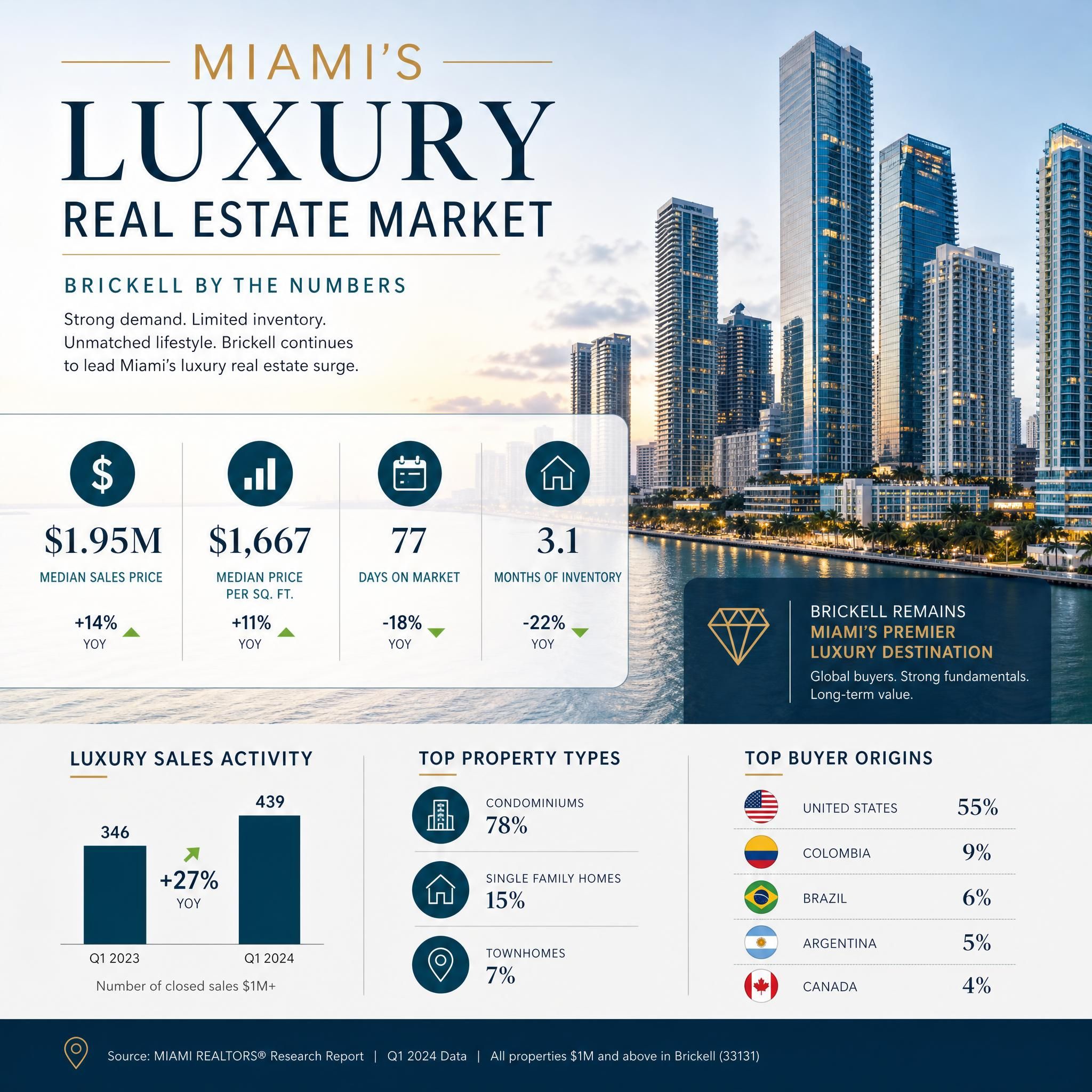
📊 +18% YoY — Average price increase for mainland Miami luxury condos in Q1 2026, with pre-construction commanding a 12–18% premium over release pricing
📊 +18% YoY, Q1 2026 – Mainland Miami Luxury Condo Average Price Growth
💡 $3,000+/sq ft — Price per square foot in premier ultra-luxury buildings like St. Regis and Mandarin Oriental Residences Brickell, reflecting the depth of demand at the top of the market
📊 $3,000+/sq ft – Ultra-Luxury Brickell Condo Price Per Square Foot
🏗️ 9 major pre-construction projects currently competing in Brickell alone, with combined inventory exceeding 5,000 units — creating genuine buyer leverage in the mid-market while the $3M+ segment remains supply-tight
📊 9 projects, 5,000+ units – Active Pre-Construction Projects in Brickell
🌍 50%+ cash purchases — Over half of Miami homes above $1M are bought in cash, reflecting the city's position as the #1 U.S. destination for international homebuyers
📊 50%+ above $1M – Cash Purchase Rate for Miami Luxury Homes
Conclusion: your miami luxury purchase starts with a plan
The Miami luxury real estate 2026 market rewards buyers who arrive prepared — and punishes those who let emotion drive the process. The city's new construction pipeline is extraordinary: from Nobu's wellness-driven Brickell tower to the boutique Four Seasons villas in Coconut Grove and the sinuous bayfront Lilli tower in Edgewater, the quality and diversity of what's being built right now is genuinely unprecedented.
But extraordinary product demands extraordinary diligence. Vet your developer like you'd vet a business partner. Understand your deposit exposure and escrow protections. Model your true carrying costs — including HOA fees, insurance, and property taxes — before you fall in love with a floor plan. And if you're an international buyer, structure your ownership correctly from day one.
The buyers who win in this market are the ones who combine aspiration with analysis. Miami's skyline is being rewritten in 2026 — and the most compelling chapter could have your name on the deed.
Ready to take the next step? Schedule a private consultation with our luxury real estate specialists to view curated new construction opportunities across Brickell, Coconut Grove, Edgewater, and Miami Beach — matched to your timeline, budget, and investment objectives.


