
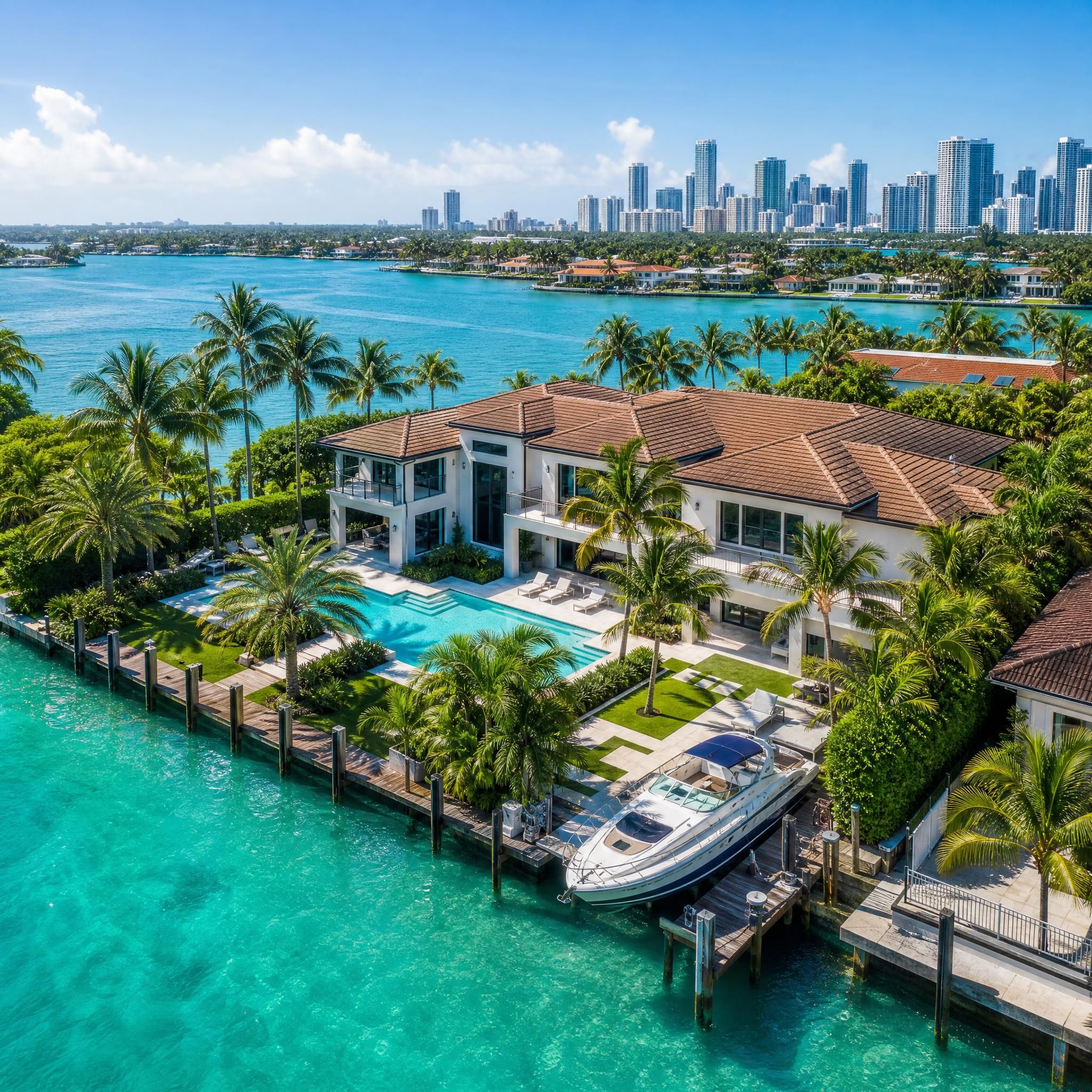
Selling a home in South Florida sounds simple — until you're in the middle of it. Pricing too high, skipping staging, or hiring the wrong agent can cost you tens of thousands of dollars and months of frustration. This is your step-by-step, no-fluff playbook to sell your property in Miami-Dade or Broward County faster, smarter, and for the best possible price in 2026.
Ready to sell? Schedule your free consultation today and get a professional market analysis for your Miami-Dade or Broward property.
Table of contents
- The 2026 Market Snapshot: What You're Actually Selling Into
- Step 1: Price It Right From Day One
- Step 2: Prepare Your Property Like a Pro
- Step 3: Market Aggressively and Strategically
- Step 4: Navigate Offers and Negotiate Effectively
- Step 5: Handle Disclosures and Closing Costs
- Neighborhood-Specific Selling Strategies
- Special Seller Situations
- Common Seller Mistakes to Avoid
- FAQ
- Key Statistics
The 2026 market snapshot: what you're actually selling into
Before you list a single photo, you need to understand the market you're entering. South Florida in 2026 is not the frenzied seller's market of 2021–2022, but it's far from a buyer's paradise either — and knowing the difference is what separates sellers who win from sellers who wait.
Spring 2026 is shaping up to be a promising time to sell your home across Miami-Dade, Broward, and Palm Beach counties, with rising buyer activity and six consecutive months of year-over-year sales gains.
Here's what the data actually shows:
Miami-Dade County (Single-Family Homes):
The Miami Association of Realtors reported a median single-family home price of $699,990, up 3.7% year-over-year, with sales volume surging 26.1%. The single-family home market in Miami-Dade in Q1 2026 is healthy and active, though the market has moved toward a more balanced environment with a median time to contract of 58 days and median time to sale of 98 days.
Broward County (Single-Family Homes):
Broward single-family home sales increased 3.30% year-over-year in March 2026, from 1,062 to 1,097 — marking the seventh consecutive month of year-over-year gains. The median percent of original list price received for single-family homes was 95% in March 2026, with a median of 44 days between listing and contract.
South Florida Overall:
For all categories combined, home sales are up 7% year over year in March 2026, with average sale prices increasing 13.3% overall year-over-year to $949,327.
What this means for sellers: You still hold leverage in the single-family segment, but you must price competitively, present impeccably, and market strategically. Buyers have more choices than they did two years ago — and they know it.
📊 +1.4% YoY in March 2026, generating $1.4B in total dollar volume – Broward County Total Home Sales Rise
Step 1: price it right from day one
This is the single most critical decision you will make as a seller. Get it wrong and everything else — the staging, the marketing, the photography — is wasted.
How to build your pricing strategy
Run a Comparative Market Analysis (CMA). A CMA evaluates your home against recently sold properties with similar square footage, location, age, condition, and features. In Miami-Dade and Broward, hyper-local data matters enormously. A home in Coral Gables prices differently than one three miles away in Westchester, even if they appear similar on paper.
Price for your micro-market, not the county average. Pembroke Pines, for example, is more expensive on average for single-family homes than the rest of Broward County, with a median sales price of $668,000, compared to $600,000 county-wide. Applying county-wide averages to your specific neighborhood will either leave money on the table or price you out of the market.
The first two weeks are everything. In a market with elevated days on market, the first two weeks of a listing generate the highest buyer interest. A home priced 3% over realistic market value can sit for 60 extra days and ultimately sell for less than if it had been priced right initially.
Understand the psychology of pricing tiers. Buyers search in brackets ($500K–$550K, $550K–$600K). Pricing at $549,000 instead of $555,000 can expose your listing to an entirely different — and larger — pool of buyers.
| Pricing Scenario | Likely Outcome |
|---|---|
| Priced at market value | Strong early interest, competitive offers within 2–4 weeks |
| Priced 3–5% above market | Slower activity, price reduction likely after 30–45 days |
| Priced 5%+ above market | Extended DOM, stigma, eventual sale below original market value |
| Priced slightly below market | Can trigger multiple offers and bid-up above asking price |
Be ready to adjust. In 2026, buyers are negotiating. Be ready to offer reasonable closing-cost credits, rate buydowns, or repair credits — these can keep your headline price strong while still closing the deal.
📊 Median seller contribution ~$10,000 in Q1 2026, with some areas seeing $12,000–$13,000 in seller credits – Miami-Dade Seller Credits
Step 2: prepare your property like a pro
In South Florida's competitive market, presentation is a profit strategy — not just an aesthetic one.
The pre-listing preparation timeline
6–8 Weeks Before Listing:
- Commission a pre-listing inspection to uncover and address issues before buyers find them
- Decide on repairs vs. selling as-is (see below)
- Begin decluttering and removing personal items
- Get quotes for any cosmetic updates
3–4 Weeks Before Listing:
- Complete repairs and cosmetic updates
- Deep clean the entire property, including HVAC filters, grout, and windows
- Address curb appeal — in South Florida's intense sunlight, fresh exterior paint, pressure-washed driveways, and lush landscaping make an outsized impression
- Stage interior spaces
1–2 Weeks Before Listing:
- Professional photography and video walkthrough
- Drone footage (especially valuable for properties near water, golf courses, or with large lots)
- Final staging touches
South florida-specific staging tips
The South Florida buyer is buying a lifestyle, not just a house. Your staging strategy should reflect that.
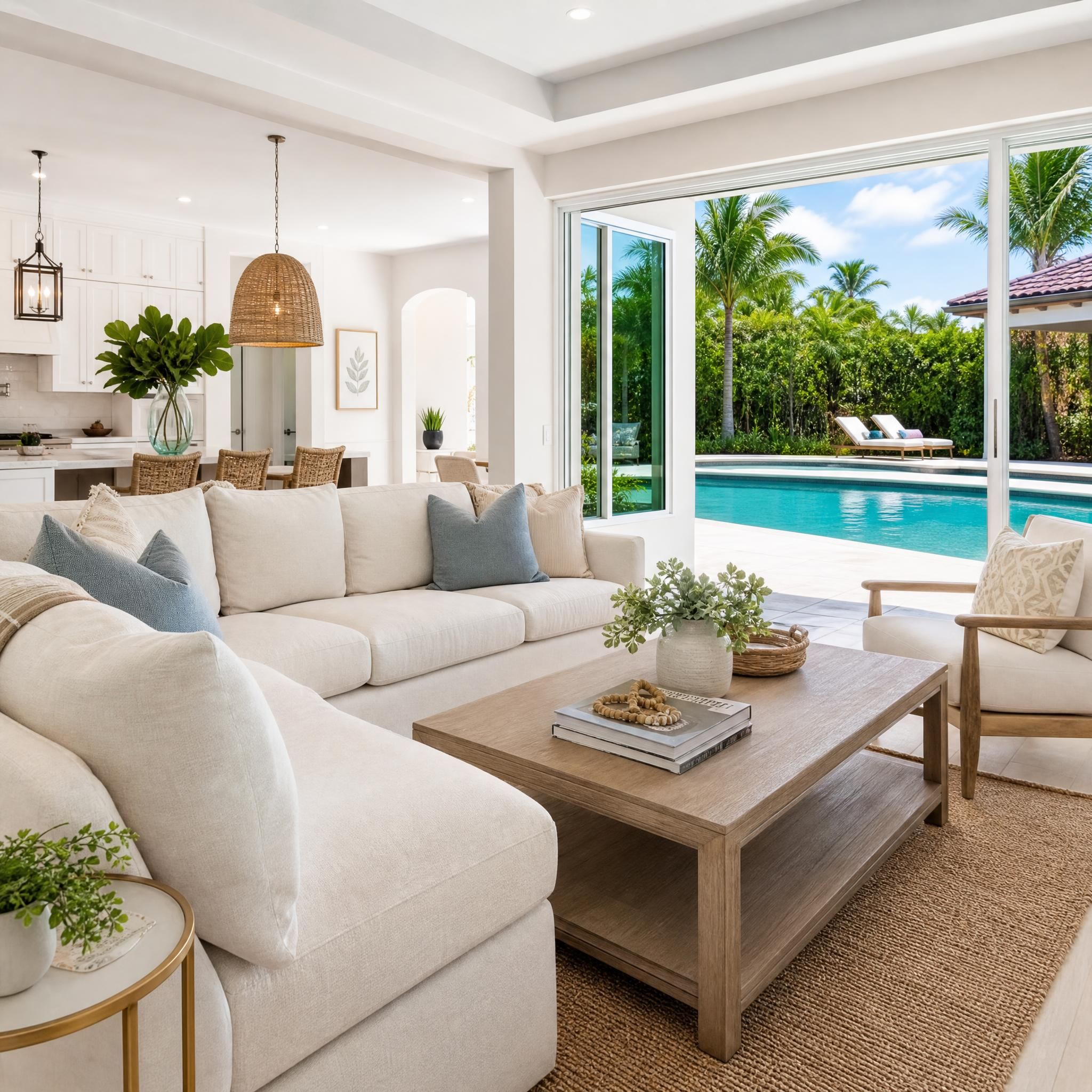
- Maximize indoor-outdoor flow. Open sliding glass doors during showings, stage the lanai or patio with outdoor furniture, and ensure the pool area is spotless and inviting.
- Highlight natural light. In South Florida's bright sunlight, fresh paint, clean windows, and staged spaces make a big difference.
- Lean into lifestyle features. Emphasize outdoor living areas, pools, proximity to beaches, waterways, parks, or walkable downtowns — buyers move here for the lifestyle.
- Neutralize the palette. Bold tropical colors may feel "South Florida," but neutral walls and furnishings help buyers visualize their own belongings in the space.
- Depersonalize completely. Remove family photos, religious décor, and personal collections. A staged home should feel like a model home — aspirational, not personal.
Repairs vs. selling as-is: the ROI calculation
Not every repair is worth doing. Here's a quick framework:
| Update | Typical ROI in South Florida | Worth It? |
|---|---|---|
| Fresh interior paint | 100–150% | ✅ Always |
| Landscaping/curb appeal | 100–200% | ✅ Always |
| Kitchen cabinet refresh (not full reno) | 80–120% | ✅ Usually |
| Bathroom refresh (fixtures, caulk, mirrors) | 75–100% | ✅ Usually |
| Full kitchen remodel | 50–75% | ⚠️ Rarely |
| Pool resurfacing | 70–90% | ✅ If needed |
| Roof replacement | 60–80% | ✅ If required by buyer |
| HVAC replacement | 50–70% | ⚠️ Negotiate instead |
Step 3: market aggressively and strategically
A well-priced, beautifully staged home that no one sees is still a home that won't sell. In 2026, effective marketing is multi-channel, data-driven, and visually compelling.
The non-negotiable marketing checklist
Professional Photography
This is not optional. More than 95% of homebuyers begin their search online — your photos are your first showing. Hire a real estate photographer who specializes in South Florida properties. Twilight shots, drone aerials, and wide-angle interior shots are standard for competitive listings.
MLS Listing and Syndication
Your listing must appear on the Southeast Florida MLS (SEFMLS), which syndicates to Zillow, Realtor.com, Redfin, and hundreds of other sites. Ensure your listing description is keyword-rich, accurate, and highlights neighborhood-specific lifestyle features.
Video Walkthrough and Virtual Tour
Out-of-state and international buyers — a significant segment of the Miami-Dade and Broward market — often make purchase decisions without visiting in person first. A high-quality video walkthrough and Matterport 3D tour dramatically expand your buyer pool.
Targeted Digital Marketing
A skilled South Florida real estate agent will run targeted social media ads on Facebook and Instagram, geo-targeting buyers in high-migration cities like New York, Chicago, and Los Angeles. New residents may be fueling demand: driver's license exchanges in Broward rose 6% in 2025, with former Californians, Georgians, and Virginians leading the way.
Open Houses and Private Showings
Be flexible with showing availability. Restricting showings to narrow windows dramatically reduces your buyer pool and signals inflexibility to serious buyers.
Luxury Marketing (For $1M+ Properties)
High-end properties require a different approach: print advertising in luxury publications, private broker previews, international marketing networks, and targeted outreach to the ultra-high-net-worth buyer community. Luxury properties ($1 million+) are particularly active in spring 2026, often seeing motivated buyers ready to move quickly.
Step 4: navigate offers and negotiate effectively
When offers come in, emotions run high. Here's how to stay strategic.
Evaluating an offer: beyond the price
The highest offer is not always the best offer. Evaluate every offer on:
- Net proceeds (after concessions, closing cost contributions, and repair credits)
- Financing type (cash offers close faster and carry less risk than financed offers)
- Contingencies (inspection, financing, appraisal — each adds risk and time)
- Closing timeline (does it align with your needs?)
- Earnest money deposit (higher deposits signal serious buyers)
Negotiation tactics that work in 2026
- Counter strategically, not emotionally. If an offer comes in 5% below asking, counter at 2% below asking rather than holding firm at list price. This keeps the deal alive.
- Use concessions wisely. Offering a $10,000 closing cost credit instead of dropping your price by $10,000 can preserve your sale price for appraisal purposes.
- Create urgency with multiple offers. If you receive multiple offers, issue a "best and final" deadline — this is a proven technique to drive offers up.
- Know your walk-away number before negotiations begin. Sellers who enter negotiations without a clear minimum acceptable price make emotional decisions.
Step 5: handle disclosures and closing costs
Florida's disclosure requirements are non-negotiable — and ignoring them can unwind your sale or expose you to legal liability.
What florida requires you to disclose
Florida requires sellers to disclose any known material defects that are not readily observable and that could affect the property's value. Failing to disclose a known material defect can expose sellers to rescission of the sale and damages.
Key disclosures include:
- Flood disclosure (mandatory since October 1, 2024): Sellers must disclose whether the property is in a flood zone, any flood insurance claims filed, and any federal disaster assistance received for flood damage.
- Radon gas disclosure (required before contract execution)
- HOA/condo association disclosures (rules, fees, pending assessments)
- Known structural, mechanical, or system defects
What sellers pay at closing in florida
On average, sellers in Florida pay about 3.28% of the home's purchase price in closing costs. For a $600,000 home in Broward County, that's approximately $19,680 — not counting real estate commissions. Budget accordingly and factor this into your net proceeds calculation before accepting any offer.
Neighborhood-specific selling strategies
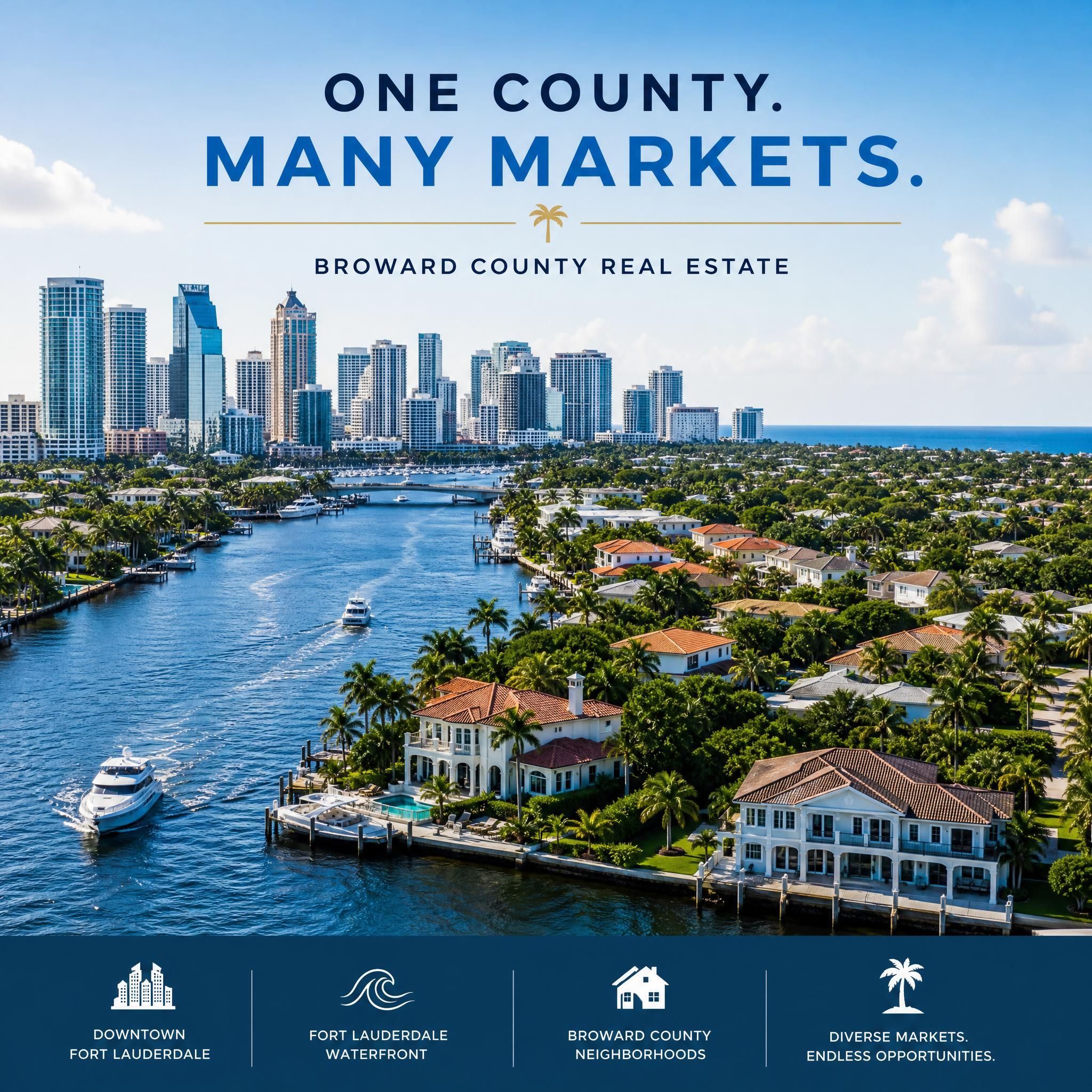
South Florida is not one market — it's dozens of micro-markets, each with its own buyer profile and selling dynamics.
| Neighborhood | Key Buyer Profile | What Sells the Property |
|---|---|---|
| Miami Beach | International buyers, luxury investors | Waterfront access, views, walkability |
| Coral Gables | Families, professionals | Top-rated schools, architecture, tree-lined streets |
| Aventura | Downsizers, snowbirds | Condo amenities, proximity to shopping |
| Kendall | Families, first-time buyers | Space, value, suburban lifestyle |
| Fort Lauderdale | Boaters, young professionals | Water access, nightlife proximity, walkability |
| Pembroke Pines | Families relocating from Miami | Affordability relative to Miami, good schools |
| Hollywood | Value-seekers, investors | Beach access at lower price points than Miami Beach |
| Boca Raton | Affluent retirees, families | Luxury amenities, gated communities, golf |
Special seller situations
Selling a luxury property ($1m+)
Luxury sales require patience and precision. Price reductions on high-end properties send a stronger negative signal than in the mid-market. Invest in premium marketing, professional staging with luxury furniture, and ensure your agent has verifiable experience in the luxury segment.
Distressed sales (foreclosure, short sale)
If you're behind on mortgage payments, a short sale — where the lender agrees to accept less than the outstanding balance — is almost always preferable to foreclosure. Work with an agent experienced in distressed sales and engage a real estate attorney early in the process.
Inherited property
Inherited properties often require probate clearance before sale. Consult a Florida estate attorney, get the property professionally appraised, and resist the urge to price based on sentimental value rather than market data.
Investor/rental property exit
Selling a tenant-occupied property adds complexity. Review your lease agreements carefully — Florida law governs notice requirements. Coordinate showings with tenants professionally, and consider whether selling vacant or occupied best serves your timeline and price goals.
Divorce sales
Court-ordered sales require both parties' cooperation and often a court-appointed agent or specific sale timeline. Work with an agent experienced in divorce transactions who can remain neutral and keep the process moving.
Common seller mistakes to avoid
- Overpricing based on emotion. Your home is worth what a qualified buyer will pay today — not what you paid for it, not what your neighbor thinks it's worth.
- Skipping professional photography. Poor listing photos are the fastest way to get ignored online.
- Limiting showing availability. Every declined showing is a potential buyer lost.
- Choosing an agent based on commission alone. The cheapest agent often costs you the most in net proceeds.
- Ignoring disclosure requirements. Florida's disclosure laws exist to protect buyers — and failing to comply exposes you to serious legal risk.
- Refusing reasonable negotiations. Inflexibility kills deals. Be willing to negotiate on terms, not just price.
- Neglecting the exterior. In South Florida's tropical climate, overgrown landscaping, faded paint, and dirty driveways are immediate buyer turn-offs.
Frequently asked questions (FAQ)
How long does it take to sell a house in miami-dade county in 2026?
The single-family home market in Miami-Dade shows a median time to contract of 58 days and a median time to sale of 98 days as of Q1 2026. Well-priced, well-staged homes in desirable neighborhoods can sell significantly faster. Condos typically take longer due to financing restrictions.
What is the best month to sell a house in south florida?
In South Florida in 2026, the strongest combination of buyer demand, price strength, and speed sits in the February through early June window. Snowbird season drives strong activity from January through April, making this the prime listing window for most seller types.
Do i need a realtor to sell my house in florida?
Florida does not legally require you to use a real estate agent. However, sellers who use professional representation typically net more from their sale — even after commissions — due to better pricing strategy, negotiation skills, and marketing reach. The complexity of Florida's disclosure requirements and contract law also makes professional guidance highly valuable.
How much does it cost to sell a house in miami-dade or broward county?
On average, sellers in Florida pay about 3.28% of the home's purchase price in closing costs, in addition to real estate commissions. For a $600,000 home, total selling costs (including a typical agent commission) can range from $40,000 to $60,000. Your net proceeds will depend on your specific sale price, outstanding mortgage balance, and negotiated concessions.
What is the average home price in broward county in 2026?
Broward County single-family home median sale prices were $600,000 in March 2026, with Pembroke Pines commanding a premium at $668,000. Condo prices vary widely by building age, amenities, and association financial health.
Key statistics
📊 $949,327 — Average sale price across all South Florida home categories in March 2026, up 13.3% year-over-year (Source: Lamacchia Realty South Florida Housing Report, March 2026)
📊 7 consecutive months of year-over-year gains through March 2026 – Broward Single-Family Home Sales
💡 95% — Median percent of original list price received for Broward County single-family homes in March 2026, underscoring the importance of accurate pricing (Source: MIAMI Association of Realtors)
🏡 $278 million — Local economic impact of Broward County's 2,161 home sales in March 2026 alone (Source: MIAMI Association of Realtors / NAR)
📊 Homes listed for sale down 16.1% compared to March 2025 — tightening inventory benefits well-priced sellers – South Florida Home Listings
Conclusion: your next step starts now
Selling your property in Miami-Dade or Broward County in 2026 is an opportunity — but only if you approach it with the right strategy. The sellers who succeed are the ones who price with data, prepare with discipline, market with reach, and negotiate with clarity.
Whether you're selling a waterfront estate in Miami Beach, a single-family home in Pembroke Pines, or an investment property in Fort Lauderdale, the fundamentals are the same: know your market, know your buyer, and execute every step of the process with precision.
Ready to sell? Contact me today for a free, no-obligation consultation and professional market analysis for your Miami-Dade or Broward County property. Let's build your custom selling strategy together.


