
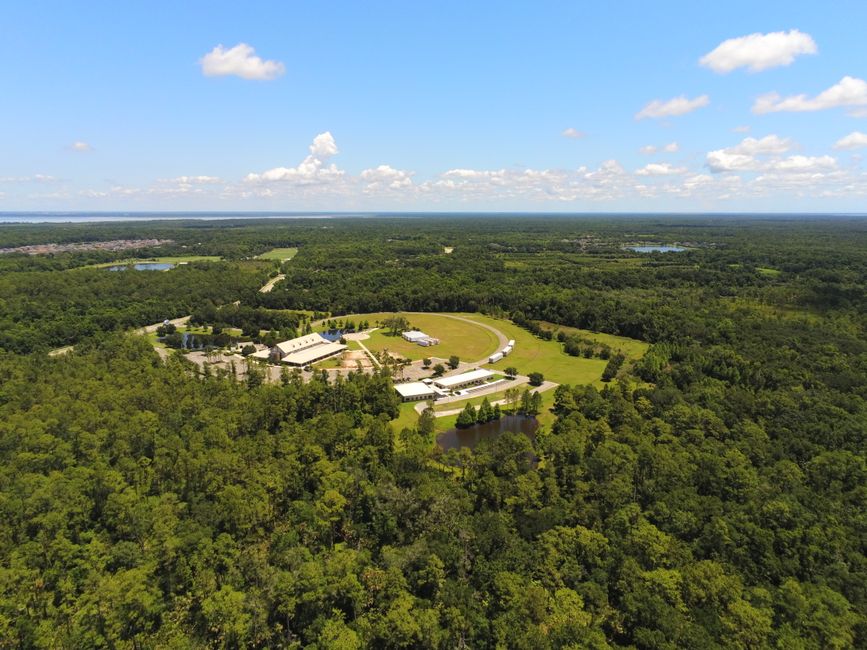
You’re ready to invest in Florida land, but the sheer volume of listings can feel overwhelming. With nearly 47,000 to 49,000 land listings currently available across the state, you need a clear strategy to find the parcel that actually fits your goals, budget, and timeline. Whether you’re a first-time buyer, an investor, or someone looking to build your dream home, Florida Real Estate Specialist can help you navigate this competitive market with confidence and local expertise.

Understanding the Florida Land Market Today
The Florida land market is shifting, and understanding where it stands right now is crucial before you make any moves. As of June 2026, the median home price in Florida sits at $432,000, with month-over-month growth of $7,000. But what does this mean for raw land? Plenty.
Related: Houses for Sale in Miami, FL: Your Guide to Finding the Right Home
Related: Houses for Sale Florida: 2026 Buyer’s Guide
Current inventory shows a 4.5-month supply of land listings, which signals declining availability. That’s good news if you’re selling, but it means competition is heating up if you’re buying. The average land listing in Florida spans about 119 acres and carries a price tag around $1,822,111. However, you don’t need massive acreage to get started. Entry-level options start as low as $3,000 to $30,000 for smaller lots ranging from 5 to 5.57 acres, giving you flexibility no matter your budget.
Market conditions are evolving based on policy decisions and infrastructure investments, so the neighborhoods and corridors you’re eyeing may see significant changes in value over the next few years. Research into local development plans, zoning changes, and upcoming projects in areas like Miami Beach, Coral Gables, Kendall, Homestead, and surrounding South Florida communities will give you a real edge.
Related: Homes for Sale in Port St. Lucie Florida: Your Local Guide
Related: Condos for Sale in Destin Florida: Your Gulf-Front Guide
Related: Homes for Sale Near Me in South Florida: Your Local Guide
Related: Multi-Family Homes for Sale in South Florida: Your Investment Guide
What Types of Land Are Available?
Florida’s land market isn’t one-size-fits-all. You’ll find several distinct property types to choose from, each with its own advantages and use cases:
- Individual Residential Lots: Small parcels within established subdivisions, perfect for building a single-family home.
- Multi-Acre Parcels: Larger tracts offering room for multiple structures, agricultural use, or future subdivision potential.
- Rural Acreage: Expansive properties often found in less developed areas, ideal for investors or those seeking privacy and land-based enterprises.
- Commercially Zoned Land: Property designated for retail, office, or mixed-use development, appealing to investors and business owners.
Each category attracts different buyers and carries different value propositions. Your choice depends on your end goal: residential development, investment appreciation, agricultural pursuits, or future commercial ventures.
Pricing Insights and Where to Find Deals
You want to know if you’re getting a fair price, and that requires honest market analysis. The range in Florida is enormous because location, size, zoning, and development potential all influence price. A 5-acre residential lot near Miami might fetch $50,000 to $150,000, while similar acreage in rural areas of Central or North Florida might run $15,000 to $35,000.
To compare listings and understand pricing patterns in your target area, use major platforms alongside guidance from local experts. Policy shifts and infrastructure investments—like new highways, transit expansions, or commercial corridors—can rapidly change land values, so timing and location research are everything.
The 3-3-3 Rule: A Proven Framework Before You Buy
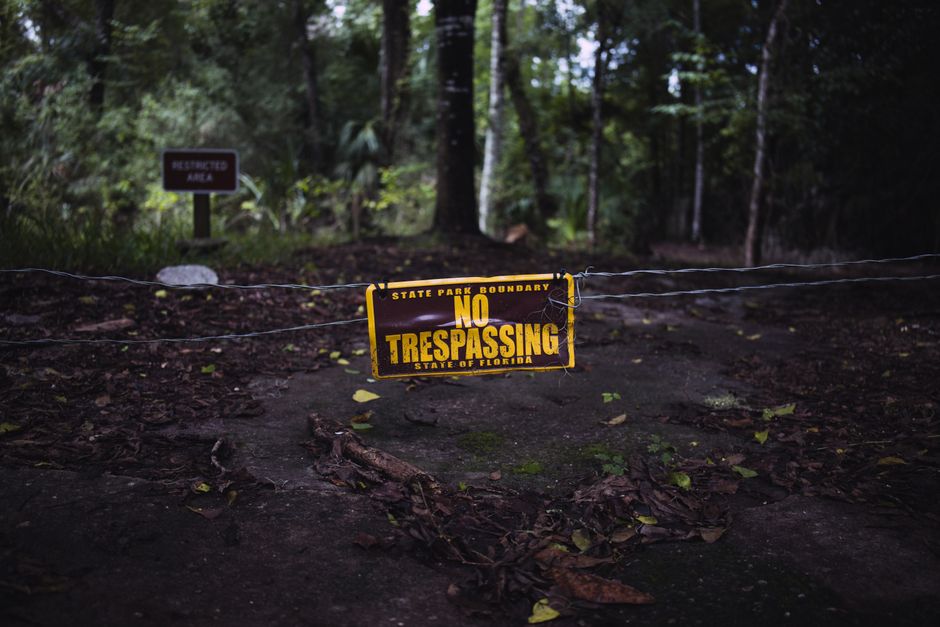
Before you commit to a land purchase, apply what’s known as the 3-3-3 Rule. This framework, recommended by experienced real estate professionals, helps you avoid costly mistakes:
- 3 Months Emergency Savings: Keep three months of living expenses in liquid savings, separate from your down payment. Land deals don’t always close quickly, and unexpected costs arise.
- 3 Months Mortgage Reserves: Set aside an additional three months of anticipated mortgage payments. This cushion protects you if rental income stalls or unexpected property costs spike.
- 3 Property Evaluations: Conduct three independent assessments: a professional market analysis, comparable sales research, and forward-looking trend analysis. Don’t rely on a single opinion.
This disciplined approach reduces buyer remorse and ensures you’re making decisions based on data, not emotion. When you work with an expert guide like Florida Real Estate Specialist, you get these evaluations built into the process, saving you time and protecting your investment from day one.
Buying or selling?
Location Matters: Key Areas Across South Florida and Beyond
Florida is vast, and the land market varies dramatically by region. Here are some of the most active and promising markets for land purchases:
- Miami and Miami Beach: High-value properties with strong development demand and urban infill opportunities.
- Coral Gables and Pinecrest: Established neighborhoods with strict zoning, appealing to premium buyers.
- Kendall, Palmetto, and Homestead: Growing areas with more affordable entry points and significant development potential.
- The Florida Keys: Limited supply, waterfront appeal, and strong investment demand despite premium pricing.
- Orlando and Central Florida: Expanding metro area with strong employment growth and emerging neighborhoods.
Each area has its own market dynamics. Understanding local zoning laws, flood zones, future development plans, and neighborhood trends is essential. This is where local expertise proves invaluable. Investors who understand these nuances often outperform those relying solely on national data.
Market Trends: Rising Prices and Shrinking Inventory
The numbers tell a clear story: Florida’s real estate market is competitive and prices are climbing. Median home prices increased $7,000 month-over-month from May to June 2026, and this momentum extends to raw land. With inventory tightening, the window to purchase at favorable prices is narrowing.
Declining inventory levels mean less choice but potentially stronger negotiating power for motivated sellers. If you’ve identified a parcel you love, moving quickly becomes critical. Delays often mean losing out to faster, better-positioned buyers. Recent data on mortgage rates continuing to drop also signals that financing conditions are improving, making now a smart time to act if you’ve been waiting on the sidelines.
Financing Your Land Purchase
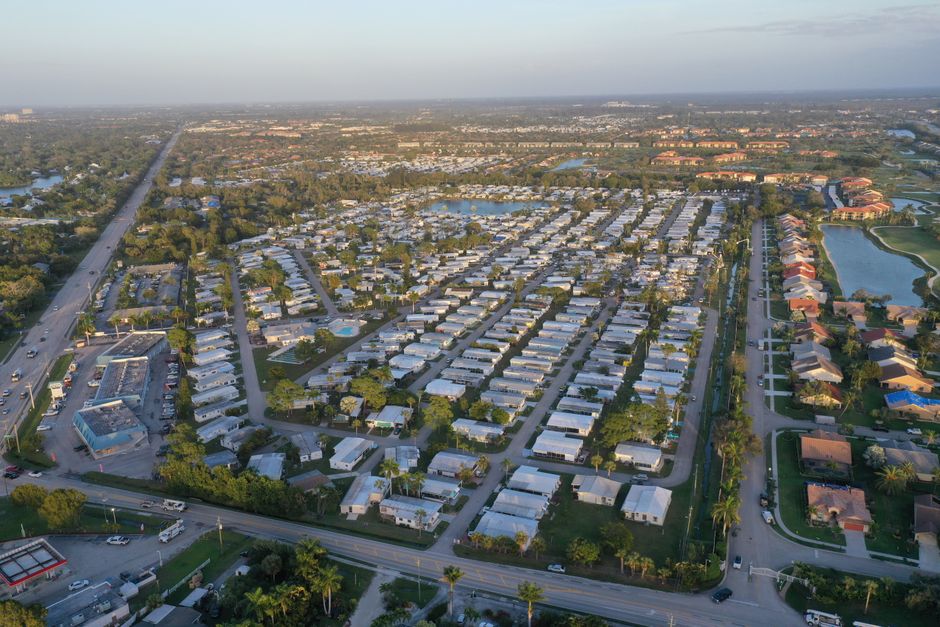
Land financing is trickier than traditional home mortgages. Banks are more cautious about raw land loans because there’s no existing structure generating income. You’ll typically need:
- A larger down payment (25-50% is common, versus 10-20% for homes).
- A shorter loan term (often 5-10 years rather than 30).
- Higher interest rates (usually 1-2% above standard mortgage rates).
- A clear development or use plan to show lenders your intent.
Improving mortgage conditions work in your favor here. If you’re planning to build, exploring construction financing or builder-specific programs can lower your costs. Getting pre-approved before you start shopping also signals serious intent to sellers and strengthens your offers.
Finding Your Next Step: Work With a Local Expert
Buying land in Florida is not a transaction you should navigate alone. The variables are too many, the market moves too fast, and the stakes are too high. You need someone who understands local zoning, can read policy signals, knows the neighborhoods, and has the connections to unlock opportunities before they hit public listings.
That’s exactly what Florida Real Estate Specialist brings to the table. With 15 years of experience in South Florida real estate and a focus on turning client goals into outcomes, you get personalized guidance backed by deep local knowledge. Whether you’re looking at a 5-acre parcel near Homestead, waterfront land in the Keys, or development opportunities in emerging Orlando neighborhoods, expert counsel makes the difference between a good decision and a great one.
Frequently Asked Questions
What’s the cheapest land you can buy in Florida right now?
Entry-level land parcels start around $3,000 to $30,000 for small residential lots (5-5.57 acres), typically in emerging or rural areas. Prices vary dramatically by location, zoning, and development potential. Urban areas and waterfront properties command premiums. For specific options in your target area, local research or working with a specialist is essential.
Do I need to be pre-approved for a land loan before making an offer?
Yes, absolutely. Land lenders are stricter than home lenders, so getting pre-approved strengthens your offer and shows sellers you’re serious. Pre-approval also helps you understand your actual budget and avoids wasting time on properties outside your financing reach. The process typically takes a few weeks and requires details about your intended use for the land.
What zones are best for investment in Florida?
Zones experiencing population growth, infrastructure investment, and policy-driven development tend to appreciate fastest. Areas near major transit hubs, expanding job centers (like tech corridors), and upcoming commercial corridors offer the strongest long-term upside. South Florida communities like Kendall, Homestead, and emerging Orlando neighborhoods are currently popular with investors. Research local development plans to identify your best opportunities.
How long does it typically take to close on a land purchase?
Standard land closings take 30-45 days from accepted offer to closing, though this varies. Raw land without liens or title issues closes faster. Development land or parcels with complex ownership histories may take 60-90 days. Getting a title search completed early and having clear financing in place accelerates the timeline significantly.
Buying or selling?


