
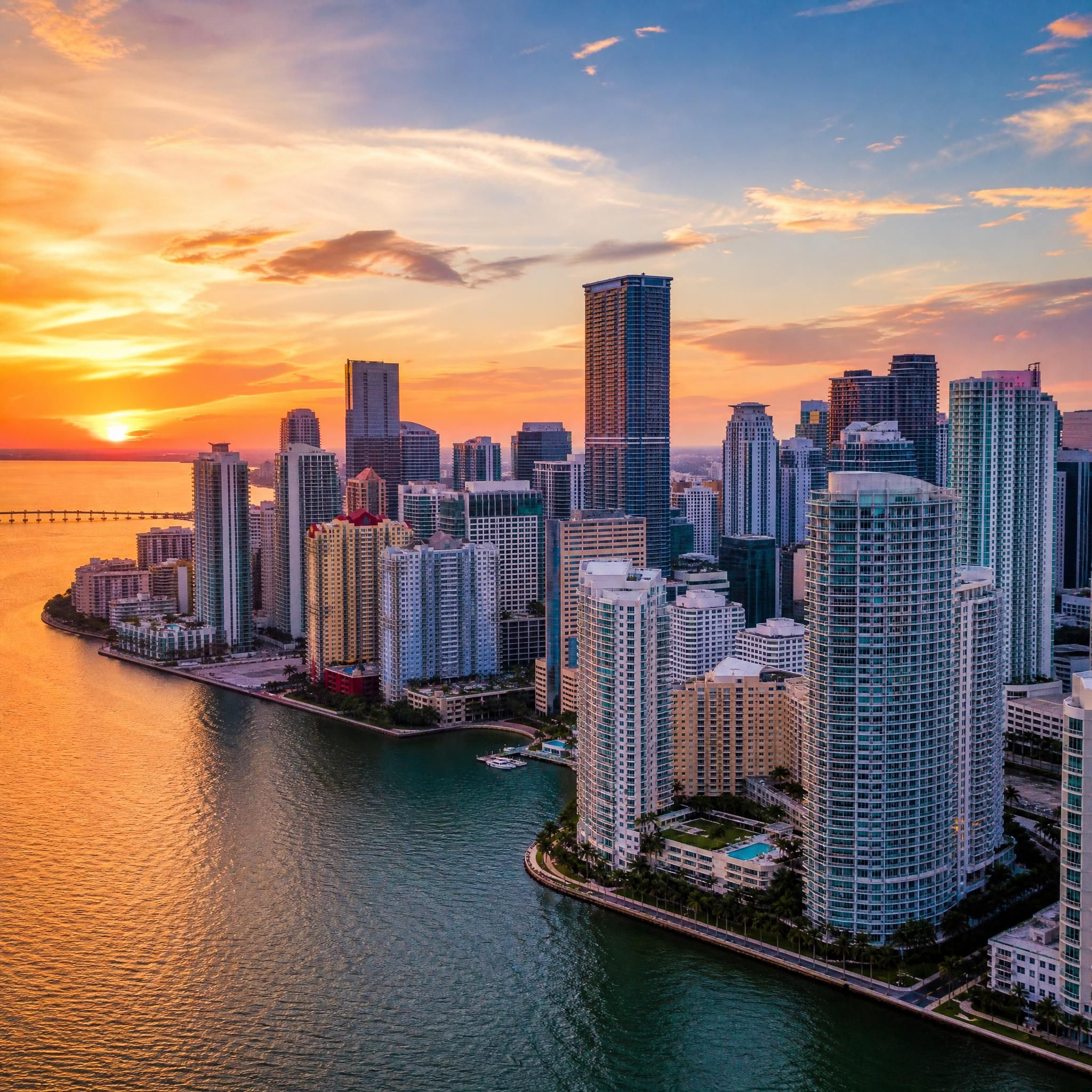
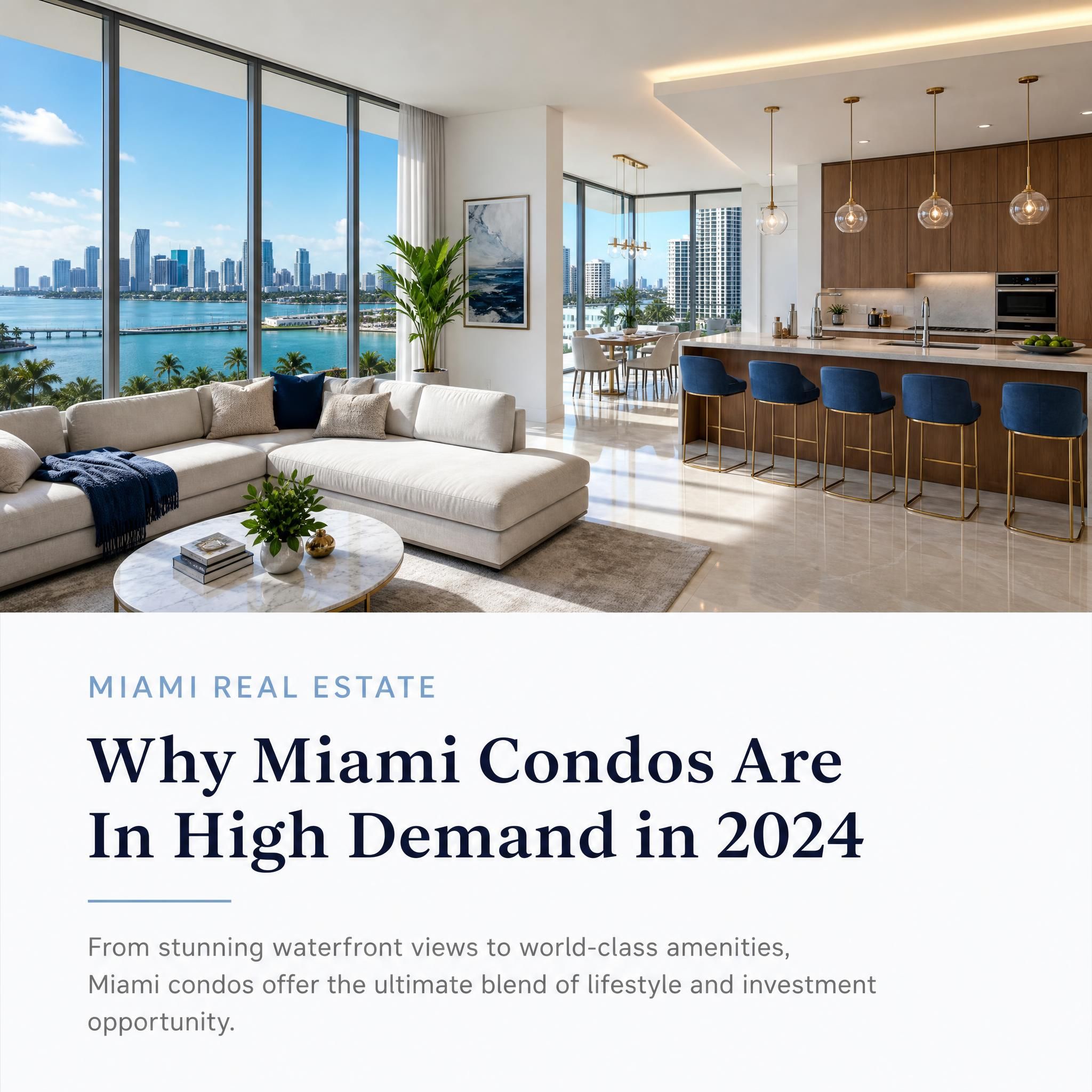
Imagine waking up to panoramic bay views from your private terrace in a brand-new Brickell tower, where every finish was chosen by you and every amenity was designed for the way you live. That dream is entirely within reach — but only if you know how to navigate Miami's new construction luxury market with precision. In 2026, the rules of the game have shifted. Inventory is tighter, competition is fiercer, and the buyers who win are the ones who come prepared.
This is not a general overview of Miami luxury real estate. This is your step-by-step, insider playbook for successfully purchasing new construction luxury homes and condos in Miami — from choosing the right neighborhood and developer to negotiating your contract and closing with confidence.
Table of contents
- Why the Miami New Construction Market Rewards the Prepared Buyer
- Step 1: Define Your Criteria Before You Ever Visit a Sales Gallery
- Step 2: Choose Your Neighborhood Like a Pro
- Step 3: Vet the Developer — Non-Negotiable Due Diligence
- Step 4: Decode the Pre-Construction Contract
- Step 5: Master the Deposit Structure and Cash Flow Plan
- Step 6: Negotiate Smart — What's Actually on the Table
- Step 7: Manage the Timeline to Closing
- The Investment Angle: Making Your Numbers Work
- FAQ
- Key Statistics
Why the miami new construction market rewards the prepared buyer
The Miami pre-construction market in Q1 2026 operates in a split environment. Resale inventory across Miami-Dade County has climbed to approximately 17 months of supply, placing the resale market firmly in buyer's territory — but the pre-construction segment tells a different story. New project inventory remains constrained because developers are launching fewer projects than in 2022 and 2023, and the projects that are active have absorbed 60 to 80 percent of available units before construction completion.
Translation: if you want the best unit in the best building, you need to move early and move smart.
In 2025, South Florida posted the second-most $10M+ home sales in its history, with about one luxury transaction per day, signaling continued appetite at the highest price points. Meanwhile, this global demand — driven by domestic relocations from states like California and New York and international buyers — keeps Miami firmly in the spotlight for luxury homes, houses, and high-end condos.
The waterfront side of the market is equally compelling. Waterfront land is scarce — you can't make more shoreline — and this limits supply and keeps premium values strong. The rush for Miami waterfront properties shows no sign of slowing, with record-setting deals continuing to emerge across Miami Beach, Edgewater, and Brickell.
📊 Second-highest in history in 2025, ~1 transaction/day – South Florida $10M+ Luxury Sales
Step 1: define your criteria before you ever visit a sales gallery
The single biggest mistake luxury buyers make is walking into a developer's sales gallery without a clear framework. Sales galleries are designed to sell — and they are very good at it. Before you set foot in one, answer these questions in writing:
Your Non-Negotiable Checklist:
| Criteria | Questions to Answer |
|---|---|
| Use Case | Primary residence, second home, or investment? |
| Timeline | Do you need occupancy by a specific date? |
| Budget | All-in budget including HOA, taxes, insurance? |
| Unit Type | Floor, line, view orientation, bedroom count? |
| Neighborhood | Urban walkability vs. waterfront serenity? |
| Amenities | Which are must-haves vs. nice-to-haves? |
| Exit Strategy | Hold long-term, assign pre-close, or flip at delivery? |
Buying pre-construction in Miami is different from buying a resale. You sign a contract with a developer for a unit that doesn't physically exist yet, put down substantial deposits over 2 to 3 years, and close when the building is delivered. Without clarity on your criteria upfront, you risk signing a contract that doesn't match your actual goals.
Step 2: choose your neighborhood like a pro
Miami's luxury new construction landscape is not monolithic. Each neighborhood offers a distinct lifestyle, price point, and investment profile. Here's how to match your goals to the right market:
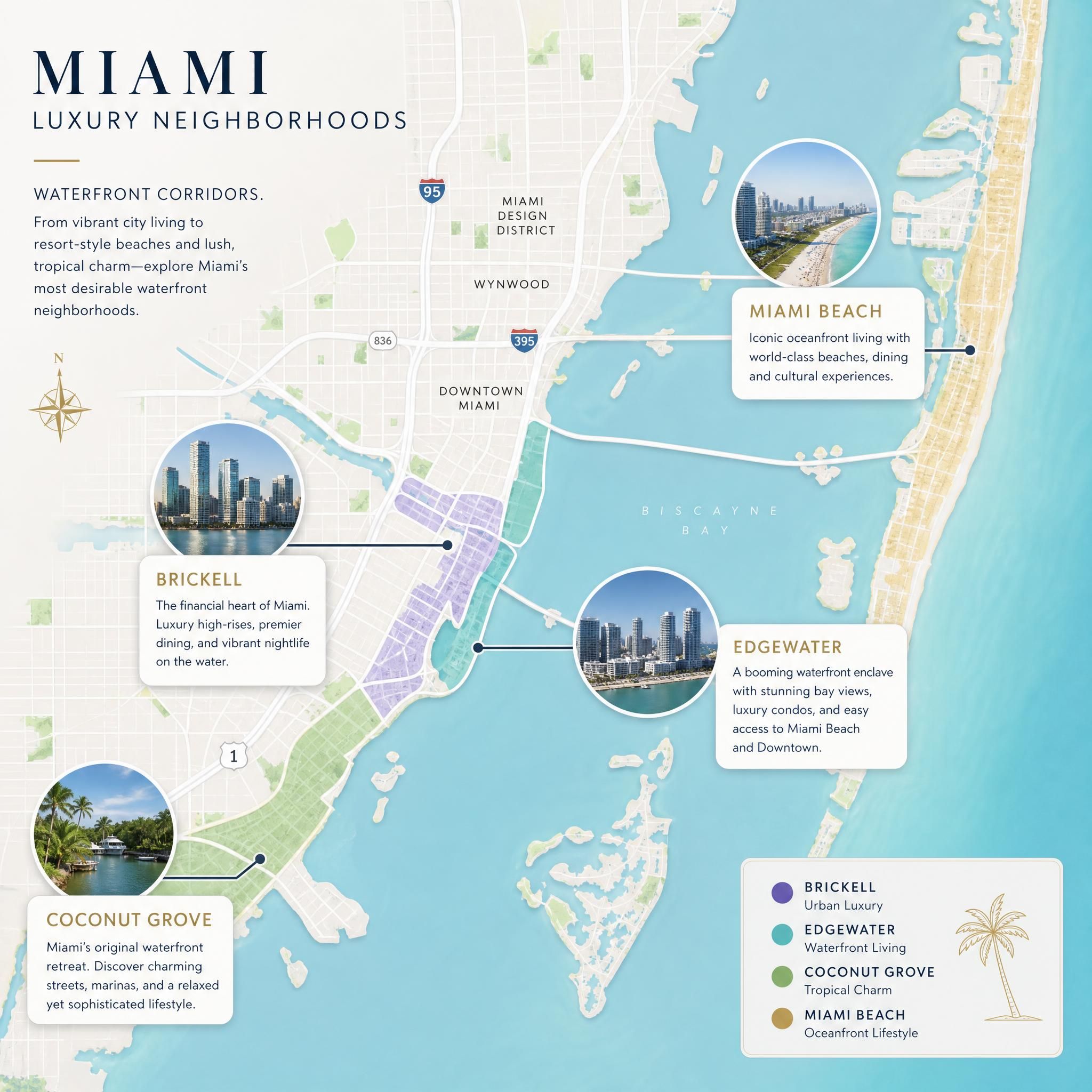
Brickell — urban sophistication and finance-district energy
Ultra-luxury prices in Brickell will continue to rise as branded residences establish new price ceilings and limited bayfront land constrains supply. This is Miami's financial district — walkable, polished, and perpetually in demand. Mid-market prices will stabilize as new supply absorbs some demand, but structural factors including tax migration, international capital, and walkability premium will prevent significant declines.
Notable projects: The 74-story 619 Brickell tower offering 300 luxury condos, and a $650M Brickell luxury condo tower backed by international capital — both signals of Brickell's continued global stature.
Best for: Primary residents who want walkable urban living, corporate relocators, and international investors seeking a finance-district address.
Edgewater — bayfront serenity with cultural proximity
Edgewater sits between Brickell and Miami Beach, offering direct Biscayne Bay frontage at comparatively accessible price points. New towers here — including the sinuous 53-story Lilli tower announced for Miami's waterfront — are redefining what bayfront living looks like.
Best for: Buyers who want water views and a quieter pace without sacrificing access to Wynwood's arts scene or Brickell's dining.
Coconut grove — historic charm meets modern luxury
Coconut Grove is experiencing a genuine renaissance. Boutique branded residences like Arbor Coconut Grove are bringing contemporary luxury to South Florida's oldest neighborhood, blending lush tropical landscaping with world-class architecture.
Best for: Buyers seeking a village-like atmosphere, boating access, and a sense of place that high-rises can't replicate.
Miami beach — oceanfront glamour
Miami Beach commands premium pricing for a reason: direct ocean access, international cachet, and a lifestyle that is genuinely irreplaceable. Bayfront properties here are consistently setting price records, with recent sales demonstrating the market's resilience even as other segments stabilize.
Best for: Lifestyle buyers, international buyers, and those seeking the strongest short-term rental income potential.
Step 3: vet the developer — non-negotiable due diligence
Your developer is your most important counterparty. A stunning building means nothing if the developer can't deliver it. Here is how to evaluate them properly:
Developer Vetting Framework:
| Due Diligence Area | What to Verify |
|---|---|
| Track Record | Have they delivered comparable buildings on time? |
| Financial Strength | Is construction financing secured? (e.g., $565M+ JLL-financed towers signal credibility) |
| Litigation History | Any active lawsuits from prior buildings? |
| Architect & Designer | Are globally recognized names attached? |
| Deposit Escrow | Are your deposits held in escrow, not used for construction? |
| Completion Rate | What percentage of their announced projects actually broke ground? |
When considering a pre-construction opportunity, you are not inspecting a finished home — you are underwriting a promise. Study the developer's recent buildings in Miami and other markets. Have they delivered on time, and did the completed product align with the sales material?
Research the architect and interior designer; globally recognized names are not a guarantee, but they are rarely attached to mediocre work.
Also check: In Florida, new construction buyers receive a 15-day rescission period after receiving the condo documents — a window that exists for a reason. The documents can run hundreds of pages, but the specific sections that matter most can reveal everything from a looming special assessment to construction defect litigation.
📊 49% of new South Florida construction and pre-construction sales over 18 months ending July 2025 – International Buyer Share
Step 4: decode the pre-construction contract
The pre-construction purchase agreement is where deals are won or lost. Most buyers read the price and the floor plan — and miss the clauses that actually matter.
Red Flags to Watch For:
- Vague deposit protections — Your deposits should be held in escrow, not released to the developer during construction
- Open-ended delivery timelines — Contracts with no outside delivery date give developers unlimited flexibility at your expense
- Broad pass-through cost clauses — Some contracts allow developers to pass unexpected construction cost increases to buyers
- Unclear assignment rights — If you want to sell before closing, know exactly what the contract allows and what fees apply
- Finish substitution language — Developers sometimes reserve the right to substitute specified finishes with "comparable" alternatives
Vague deposit protections, open-ended delivery timelines, broad pass-through cost clauses, and unclear assignment rules are common warning signs that merit attorney review.
Essential Documents to Request:
- Full purchase agreement and all addenda
- Floor plans with dimensions and building plans
- Declaration of condominium, bylaws, and articles of incorporation (or drafts)
- Public offering statement or developer disclosure
- Pro forma operating budget and reserve study
- Construction schedule, permitting status, and projected Certificate of Occupancy
- Evidence of construction financing and escrow protections for deposits
Step 5: master the deposit structure and cash flow plan
Pre-construction luxury condos in Miami require staged capital deployment over the construction period. Understanding this structure is critical to avoiding a cash-flow crisis.
Typical Miami Pre-Construction Deposit Schedule:
| Milestone | Typical Deposit Amount |
|---|---|
| Reservation / Signing | 10–20% |
| Groundbreaking | 10% |
| Top-off (Structure Complete) | 10% |
| Closing (Certificate of Occupancy) | Remaining balance |
Traditional luxury condo deposits required 50% down over the construction period. Today's standard for new developments in Miami has shifted to 20–30%, with payments structured around construction milestones. This change dramatically reduces capital requirements for buyers pursuing multiple properties in new construction in Miami.
Critical Timeline Warning: From reservation to keys, expect 24 to 42 months. 80% of Miami pre-construction delivers within 30% of the original estimated date. Roughly 15% deliver on time. Only 5% deliver early. Plan your cash flow, housing, and financing around a 12-month buffer beyond the developer's stated delivery.
For International Buyers: Foreign nationals can obtain U.S. mortgages but often face higher down payments and additional documentation. Plan for funds transfer timing and currency conversion so you never miss a deposit milestone. Be prepared for anti-money-laundering and know-your-customer checks that can extend verification.
Step 6: negotiate smart — what's actually on the table
Many buyers assume pre-construction prices are fixed. They are not — especially if you know when and how to negotiate.
What You Can Negotiate in Pre-Construction:
- Unit selection — Early buyers get first choice of floors and line orientations; this is often more valuable than a price discount
- Upgrade packages — Developer may include premium finishes at no cost during early sales phases
- Assignment rights — Negotiate favorable assignment terms if you plan to sell before closing
- Parking and storage — Additional parking spaces or storage units can be included in negotiations
- HOA fee credits — Some developers offer free HOA for the first year
- Closing cost contributions — Less common but possible in slower-selling projects
Timing Strategy: Developer incentives reflect market conditions and project-specific sales velocity. Strong-selling developments offer minimal incentives because demand exceeds supply. Projects facing slower absorption rates deploy incentives to accelerate sales pace. Identify where a project is in its sales cycle before you negotiate.
Working with a Specialized Agent: The Brickell market moves quickly, and many of the best opportunities — particularly in pre-construction — never appear on public listing portals. Working with an agent who specializes in luxury real estate provides access to off-market opportunities, developer relationships, and negotiating leverage that generalist agents simply cannot offer.
Step 7: manage the timeline to closing
Once your contract is signed, your job is not done. Active buyers who stay engaged throughout the construction process protect their investment.
Your Construction Period Checklist:
- Track construction milestones — Confirm each deposit trigger event in writing before releasing funds
- Monitor the developer's financial health — Watch for news about construction financing, lender changes, or project delays
- Finalize your financing early — Most buyers secure the mortgage only at final closing, not during construction. Lenders will review the building's condo project eligibility. If the project is not "warrantable" to agencies, your conforming loan choices can be limited, and you may need portfolio or jumbo financing, or cash.
- Attend your pre-closing walkthrough — Document every punch-list item in writing with photographs
- Review the final HOA budget — Compare it to the pro forma you reviewed at contract signing
- Secure insurance before closing — Lenders may require flood insurance based on the property's flood zone, and you should plan for condo master policy costs and your own contents and liability coverage.
Operating Costs Reality Check: Operating cost realism begins with association budgets, insurance, and reserves. Miami Beach buyers should underwrite lifestyle services before purchase, and resale and new-construction ownership require different diligence habits. New construction buyers should model true annual carrying costs — not just the purchase price — before committing.
The investment angle: making your numbers work
For buyers approaching Miami new construction luxury homes as an investment, the fundamentals remain compelling in 2026.
Investment Snapshot:
| Factor | Current Reality |
|---|---|
| No State Income Tax | Florida's tax advantage attracts high earners year-round |
| Rental Demand | Latin American and domestic investors actively buying Brickell condos as rentals |
| Rental Rate Growth | Rental rates will grow modestly (3–5% annually) as corporate relocations continue and the neighborhood's amenity base expands |
| Foreign Buyer Demand | International buyers purchasing 52% of new-construction homes in certain Florida cities |
| Waterfront Scarcity | Limited shoreline supply sustains long-term value |
| Market Stability | Luxury prices stabilizing at elevated levels, not correcting |
Miami is no longer just a sun-soaked vacation destination — it's a global hub for real estate investment. A new report from the MIAMI Association of REALTORS® shows that international buyers accounted for about 15% of the total residential dollar volume in South Florida in 2025, far exceeding the national average, and Miami remains the #1 U.S. market for foreign home buyers.
""International buyers accounted for about 15% of the total residential dollar volume in South Florida in 2025""
— MIAMI Association of REALTORS®
📊 60–80% of active pre-construction units absorbed before completion – Miami New Construction Absorption
One important consideration: The market is not without nuance. Some sellers are choosing to exit Miami real estate in favor of other asset classes, and overall price growth has moderated to a more sustainable 2–4% annually in many segments. The 2026 Miami real estate market offers something for everyone: negotiating power for buyers, realistic pricing for sellers, and strong fundamentals for long-term investors.
Questions fréquentes (FAQ)
What is the typical deposit structure for luxury pre-construction condos in miami?
Most Miami luxury new construction projects require a 20–30% total deposit paid in staged installments tied to construction milestones: typically 10–20% at signing, an additional 10% at groundbreaking, another 10% at top-off, and the remaining balance at closing. Some ultra-luxury projects may require higher deposits. Always confirm that deposits are held in escrow and protected by Florida's Condominium Act.
How long does it take from contract signing to moving in?
Plan for 24 to 42 months from reservation to delivery. Most Miami pre-construction projects deliver within 30% of their original estimated date, but delays are common. Build a 12-month buffer into your cash flow and housing plans. Only about 5% of Miami pre-construction projects deliver early.
Can international buyers purchase new construction luxury condos in miami?
Yes. Foreign nationals can freely purchase Miami luxury real estate without residency restrictions. International buyers currently account for approximately 49% of new South Florida construction and pre-construction sales. However, foreign buyers should plan for additional documentation for financing, currency conversion timing for deposit milestones, and FIRPTA withholding considerations for future resale.
What are the biggest red flags in a miami pre-construction contract?
Watch for: vague deposit escrow protections, open-ended delivery timelines with no outside date, broad pass-through cost clauses, restrictive assignment rights, and finish substitution language. Always have a Florida real estate attorney review the contract before signing — the 15-day rescission period is your legal protection window.
Is it better to buy pre-construction or move-in ready in miami?
Pre-construction offers unit selection, customization, and the potential to buy early in a building's price cycle. Move-in ready (resale) offers immediate occupancy, an established building track record, and no construction risk. For luxury buyers prioritizing the newest design, smartest technology, and longest amenity lifespan, new construction typically wins — provided you vet the developer rigorously.
Chiffres clés
📊 60–80% of active Miami pre-construction units are absorbed before construction completion — making early reservation essential for prime unit selection (Q1 2026 Miami Pre-Construction Market Report)
💡 49% of new South Florida construction and pre-construction sales went to international buyers over an 18-month period ending July 2025 (MIAMI Association of REALTORS®)
🏙️ $565M+ in construction financing secured for a single ultra-luxury Miami condominium tower — a signal of institutional confidence in Miami's luxury new construction market (JLL, 2025)
🌊 24–42 months is the realistic timeline from pre-construction reservation to keys — plan your cash flow and housing accordingly (LuxuryDade Pre-Construction Guide 2026)
Conclusion: your miami luxury purchase starts with preparation
The Miami new construction luxury market in 2026 is one of the most dynamic — and most competitive — in the world. Waterfront land is finite, premier developers are launching fewer projects, and the best units in the best buildings are gone before most buyers even know they exist.
But here's the truth: the buyers who succeed are not the wealthiest or the fastest. They are the most prepared. They define their criteria before visiting a sales gallery. They vet developers the way a private equity investor vets a fund manager. They negotiate from knowledge, not emotion. They plan their cash flow around realistic timelines. And they work with specialists who live in this market every day.
Whether you're drawn to the urban sophistication of Brickell luxury condos, the bayfront serenity of Edgewater, the historic charm of Coconut Grove, or the oceanfront glamour of Miami Beach, the opportunity is real — and it's waiting for you.
Ready to take the next step? Schedule a private consultation with our Miami luxury real estate specialists, view our curated collection of new construction properties, or download our exclusive Miami Luxury Market Report to start your journey with confidence.


