
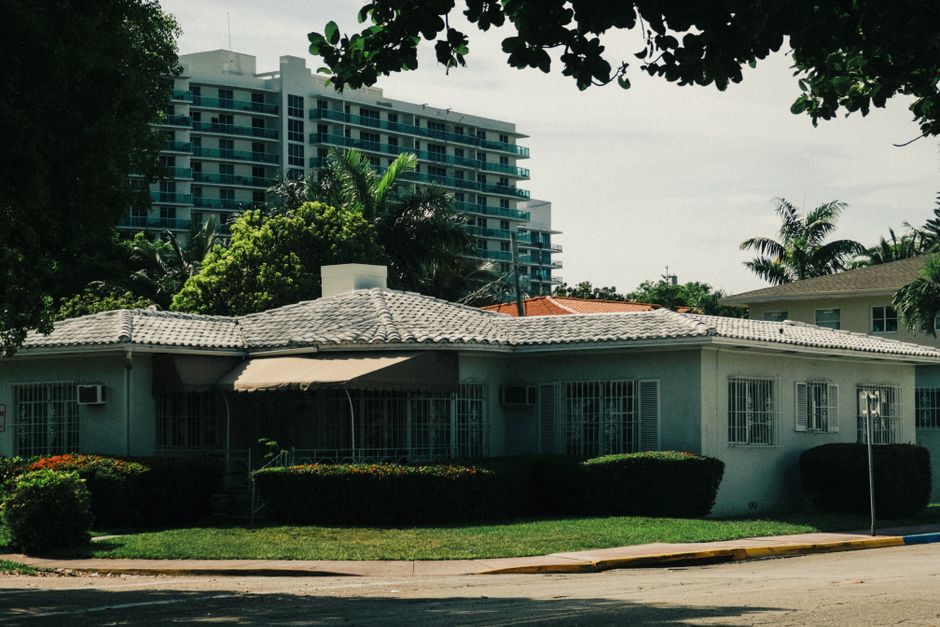
Your Miami home is probably one of the biggest assets you own, so figuring out what it’s actually worth matters. Whether you’re thinking about selling, refinancing, or just curious, knowing how much your house is worth in Miami is the first step.
Here’s the straight answer: Miami homes are averaging around $581,864 right now, but your specific home could be worth way more or less depending on location, condition, and market timing. The good news? There are several reliable ways to find out.
Understanding the Three Types of Home Value
Before you start searching for your home’s worth, let’s clear up something that confuses a lot of people: not all “value” numbers mean the same thing.
Market value is what a buyer would actually pay for your home in today’s market. This is the number that matters most when you’re selling or buying.
Assessed value is what your county says your home is worth for property tax purposes. It’s usually lower than market value and gets recalculated every few years.
Taxable value is what the county uses to calculate your property taxes. Sometimes it’s the same as assessed value, but Florida has some special rules that can make it different.
When someone asks “how much is my house worth,” they’re almost always talking about market value. That’s what Florida Real Estate Specialist focuses on when helping clients understand their options.
Related: House Sale Guide: What You Need to Know in 2026

Quick Online Tools: Getting a Fast Estimate
Want a ballpark number in five minutes? Several platforms let you punch in your address and get an instant Miami home valuation.
- Zillow Zestimate: Popular and free, but not always accurate for Miami condos or unique properties.
- Redfin Estimate: Another free tool that pulls recent sales data.
- County property appraiser website: Free access to your assessed value and recent sales comparisons in your neighborhood.
These tools are helpful for getting a rough idea, but they’re not perfect. They work best for standard single-family homes. If you own a condo, a luxury property, or something with unusual features, online estimates can be way off.
The Real Deal: Comparable Sales Analysis
Here’s how pros actually figure out what your Miami home is worth. They look at homes that recently sold in your area that are similar to yours. These “comps” include:
- Similar square footage
- Same number of bedrooms and bathrooms
- Similar age and condition
- Same general neighborhood
- Sold within the last 3-6 months
If your 3-bed, 2-bath home in Coral Gables sold for $650,000 three months ago, and yours has the same layout with similar condition, you’re probably looking at something in that ballpark.
The tricky part? Finding truly comparable homes. A place on the beach is different from one three blocks inland. A condo on the 25th floor is different from one on the 5th floor. These details move the needle.
This is where working with a local agent makes a huge difference. Someone who knows Miami’s neighborhoods inside and out can pull accurate comps and explain why your home might be worth more or less than the average.
Pricing Strategy Matters More Than Timing in 2026

Here’s something important to know about the current Miami market: it’s not about catching the “perfect time” to sell anymore. Home values in Miami actually declined 1.2% over the past year, which means the market is more competitive than ever.
That’s why pricing your home correctly is absolutely critical right now. Overprice it by 5%, and it sits on the market for months. Underprice it, and you leave money on the table. Getting this right is what separates a successful sale from a frustrating one.
Want to dig deeper into current market conditions and how they affect your home’s value? Check out the insights on 5 key points to determine how much your home is worth — it breaks down the factors that actually move the needle in Miami right now.
Get a Professional Appraisal
If you need an official number for a mortgage, refinance, or divorce settlement, you’ll need a licensed appraiser. They do a detailed inspection of your property and produce a formal appraisal report.
Appraisals usually cost $400-600 and take 1-2 weeks. They’re thorough but not perfect either. Appraisers also use comparable sales, but they also factor in things like:
- The condition of your roof, foundation, and major systems
- Updates and renovations
- Curb appeal and lot size
- Any damage or needed repairs
For a refinance or when you’re buying with a mortgage, your lender will order the appraisal. You don’t typically choose the appraiser, though you can request one who knows the Miami market well.
What About Your Specific Miami Neighborhood?
Your neighborhood matters hugely. A home in Miami Beach isn’t worth the same as one in Wynwood, even if the square footage is identical. Same story with Coral Gables vs. Allapattah.
Some neighborhoods are heating up (young professionals moving in, new restaurants opening, improving schools). Others are cooling down. Some are historically stable. This stuff shows up in home values pretty quickly.
If you’re thinking about selling, curious about your investment potential, or just want to understand your local market better, exploring profitable hotspots in Miami where to buy now gives you context for what’s actually happening in different parts of the city.
Working With a Local Real Estate Agent

This is the move if you want the most accurate answer. A local agent in Miami has access to detailed MLS data, knows the nuances of different neighborhoods, and has handled dozens (or hundreds) of similar sales.
They can pull recent comps in seconds, explain market trends specific to your area, and give you a realistic range for your home’s value. Most agents will do a free market analysis just to have a conversation with you.
The best part? They’re incentivized to get it right. If they price your home too high, it doesn’t sell. Too low, and you resent them (and they don’t make money). A good agent wants to find that sweet spot where your home sells quickly at the best price.
If you’re ready to explore your options with someone who knows Miami inside and out, reaching out to Florida Real Estate Specialist is a solid first step. With 15 years of experience in South Florida real estate, you’ll get straight talk about what your home is actually worth and what comes next.
Buying or selling?
Factors That Boost or Hurt Your Home’s Value
Beyond location and comparable sales, certain things can move your home’s value up or down pretty significantly.
Boosts: Recent renovations (kitchen, bathrooms, roof), energy-efficient upgrades, updated HVAC systems, good condition, curb appeal, and being in a neighborhood with strong demand.
Drags: Deferred maintenance, old roof or plumbing, foundation issues, outdated design, dark and cramped layouts, and being in a neighborhood with declining values or perceived safety issues.
A home that’s identical to a comparable sale but has a 25-year-old roof? Expect to lose $10,000-30,000 in value. A home with a brand-new kitchen and updated electrical? That could add $15,000-50,000.
How Market Trends Affect Your Home’s Worth
Right now in Miami, we’re in a different market than we were a few years ago. That 1.2% decline in home values over the past year tells you something important: it’s a more balanced market than the wild appreciation years.
Interest rates affect buyer demand. When mortgage rates are high, fewer people can afford homes at the same price, so values soften. When they drop, demand picks back up. You can track this stuff, and it helps explain why your home’s value might be shifting.
For investors and anyone thinking long-term, understanding these trends matters. If you’re curious about what’s driving Miami’s market and what it means for your real estate strategy, real estate investors are optimistic about the future — and there’s solid reasoning behind that outlook in South Florida.
Putting It All Together: Your Action Plan
Here’s what to do if you want to know how much your Miami house is worth:
- Start with a free online estimate to get a rough ballpark.
- Pull recent sales data on similar homes in your neighborhood using the county appraiser website or a real estate search site.
- Consider the condition of your home and any upgrades or issues that compare to those comps.
- Talk to a local agent who can give you professional insight and a detailed market analysis.
- If you need an official number, order a licensed appraisal.
Don’t get hung up on any single number. Real estate valuation isn’t an exact science. You’re looking for a realistic range, and that range depends on timing, market conditions, your home’s condition, and buyer demand.
Ready to Get Serious About Your Home’s Value?
If you’re thinking about selling, refinancing, or just want to understand where you stand, there’s no substitute for talking to someone who knows your market. Every Miami neighborhood has different dynamics, and what works in Wynwood is different from what works in Brickell.
Related: Brickell Penthouse for Sale: Your 2026 Buyer’s Guide
Related: Boca Raton Houses for Sale: Your 2026 Buyer’s Guide
Related: Houses for Sale Florida: 2026 Buyer’s Guide
Related: Houses for Sale in Gainesville, FL: Your 2026 Buying Guide
Related: Naples Florida Homes for Sale: Your 2026 Buyer’s Guide
Related: Key West Homes for Sale: Your 2026 Buyer’s Guide
Related: Best New Construction Condos in Brickell Miami: 2026 Buyer’s Guide
Related: Miami Penthouse for Sale: Your Complete 2026 Buyer’s Guide
Related: Buying a House in Miami Beach: Complete 2026 Guide
Getting a professional valuation takes the guesswork out of the equation and gives you confidence in whatever decision you make next. Whether that’s selling, holding, or making improvements to boost your home’s value.
What’s the difference between a Zillow estimate and a professional appraisal?
Zillow estimates are automated and based on public data, algorithm tweaks, and recent sales. They’re free but can be off by thousands. Professional appraisals involve a licensed appraiser physically inspecting your property and creating a formal report used for mortgages or official purposes. Appraisals cost money but are much more accurate and legally binding.
How often should I check my home’s value?
Market conditions change, so checking annually or when you’re considering a major decision (selling, refinancing) makes sense. Don’t obsess over it weekly or monthly. Real estate values move slowly, and day-to-day fluctuations don’t matter much.
Does my home’s age affect its value?
Age matters, but condition and updates matter more. A 50-year-old home with a new roof, updated systems, and recent renovations can be worth more than a 20-year-old home that’s been neglected. Miami has plenty of older homes that are actually more valuable because they’re on bigger lots or in desirable neighborhoods.
Can I increase my home’s value before selling?
Yes, but be strategic. Kitchen and bathroom updates, fresh paint, landscaping improvements, and fixing obvious issues usually pay off. Avoid over-personalizing renovations or making major changes that don’t align with neighborhood norms. Talk to a local agent before spending big money on upgrades. They can tell you what actually moves the needle in your market.
Buying or selling?


