
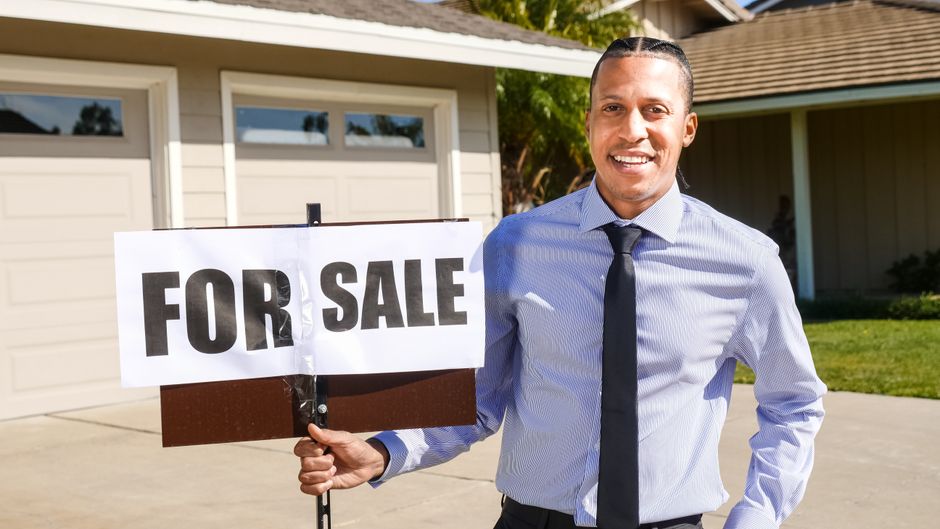
If you’re hunting for houses for sale in Florida, you’re looking at a genuinely buyer-friendly market right now. There are between 241,000 and 281,000 active homes available across the state, which means you’ve got real choices—and that’s something sellers haven’t seen in a few years.
Let me break down what’s actually happening in the market, what you should be looking for, and how to avoid the common mistakes that cost buyers time and money.
Florida’s Housing Market in 2026: The Numbers
The median home price in Florida sits at around $425,000 as of July 2026. That’s down about $7,000 from June, which tells you something important: prices aren’t skyrocketing anymore. The market is cooling, inventory is climbing, and you’re not in a bidding war for every single property.
With a 4.5-month supply of inventory, we’re in what’s called a balanced market. That means it’s not heavily tilted toward buyers OR sellers—it’s fair ground. For context, anything under 4 months favors sellers, and over 6 months favors buyers. Right now, you have genuine negotiating power without the pressure of desperation.
Florida’s three biggest markets are Miami, Orlando, and Tampa. Each has its own personality, pricing, and growth trajectory. Whether you’re looking at beachfront Miami condos or suburban Orlando single-family homes, the rules are the same: do your homework and don’t rush.
What Types of Houses Are Available
When you start searching houses for sale in Florida, you’ll see several property types worth understanding.
Related: Houses for Sale in Florida: Your 2026 Buyer’s Game Plan
Related: Houses for Sale in Gainesville, FL: Your 2026 Buying Guide
- Single-family homes: The most common option. You own the land, the structure, and typically have full control over renovations.
- Condos: Popular in Miami Beach and coastal areas. You own the unit but share common areas. Check the HOA fees and reserves carefully.
- Townhomes: A middle ground between a single-family home and a condo. Usually cheaper than a house, more affordable than a luxury condo.
- Land and farms: If you’re thinking long-term investment or development, raw land is available across central Florida.
- Mobile homes: Budget-friendly option, especially in retirement communities. Less expensive upfront, but understand the lot rental model first.
Each type has different financing, insurance, and tax implications. If you’re new to Florida real estate, it’s worth talking to someone who knows the local landscape. Florida Real Estate Specialist can walk you through what makes sense for your specific goals.
Buying or selling?

Pricing Across Florida’s Major Markets
Prices vary dramatically depending on where you’re looking. Miami commands premium prices for proximity to the beach and urban lifestyle. Orlando offers more affordable family homes with good growth potential. Tampa sits somewhere in the middle and has become a popular alternative for people priced out of Miami.
The median of $425,000 masks a lot of variation. You can find homes under $300,000 in parts of central Florida, and you’ll find luxury properties in Miami Beach selling for millions. The key is understanding what a fair price is FOR YOUR SPECIFIC NEIGHBORHOOD AND PROPERTY TYPE.
Don’t rely on national averages or what you saw on a real estate show. Talk to local agents who know comparable sales in your area.
Critical Checks Before You Buy Houses for Sale in Florida

Florida is amazing, but it comes with unique buying considerations that out-of-state buyers especially miss.
Flood Zone Risk
This is non-negotiable. Florida’s coastal areas and inland properties can face flooding. Check your property’s flood zone classification before making an offer. If it’s in a high-risk flood zone, flood insurance is mandatory, and it’s expensive. Even if it’s not required, consider whether you want to buy a property that might face water issues in heavy rain years. The Federal Emergency Management Agency (FEMA) has a tool to check flood risk by address, and you should use it.
HOA Restrictions and Fees
Especially with condos and townhomes, Homeowners Association fees add up. Some HOAs charge $300 a month; others charge $1,500+. Read the HOA documents carefully. Check if they’re financially stable, what’s in the reserve fund, and whether special assessments are pending. A cheap condo with rising HOA fees can become expensive fast.
Weather and Insurance Costs
Hurricanes, flooding, and wind damage are real in Florida. Insurance rates have stabilized recently, but they’re still higher than most states. Get an insurance quote before you buy. Some carriers won’t insure older homes or those in high-risk areas. Factor insurance into your total monthly cost.
Property Condition and Age
Old homes in Florida face unique challenges: salt air corrodes metal, humidity accelerates wood rot, and older roofs might not meet current building codes. Get a thorough inspection. If the home is over 40 years old, consider a specialized inspector familiar with Florida’s climate issues.
Sales History and Comparable Listings
Always look at what similar homes sold for in the last 90 days. Don’t rely on one comparable. Pull 5-10 similar properties (same neighborhood, similar age, square footage, condition) and see what they actually sold for. That’s your real market data, not the asking price.
How to Search Effectively
Start by using detailed filters when you search. You want to narrow by location, price range, property type, and lot size. But don’t get lost in the noise of listings.
Set up saved searches so new listings matching your criteria hit your email. Check them daily. In a balanced market, good properties don’t stay on the market long, but you have more time to make decisions than you did in 2021-2023.
Visit properties in person if you can. Photos lie. A home that looks great online might have weird layouts, noisy neighbors, or street-level issues you can’t see in pictures.
Getting Pre-Approved and Moving Fast
Before you make an offer, get pre-approved for a mortgage. This tells sellers you’re serious and shows how much you can actually spend. Mortgage rates have been trending lower, which means your buying power might be better than it was six months ago. Lock in an affordable rate when you find the right property.
In this market, you can take time to make a thoughtful offer. You don’t need to waive inspections or offer cash above asking price. But when you find a property you love, move decisively. There’s still competition from other buyers.
Work With Someone Who Knows Florida Real Estate

Buying a house is the biggest purchase most people make. Local expertise matters. You want someone who understands Miami Beach condo markets, Orlando suburban growth patterns, and Tampa’s emerging neighborhoods. Someone with 15 years of experience navigating Florida’s unique challenges—flood insurance, HOA structures, hurricane preparation, and seasonal markets.
Florida Real Estate Specialist can help you navigate these decisions. The difference between a good deal and a bad one often comes down to understanding what you’re really getting into before you sign.
Next Steps: Taking Action
Here’s what you should do right now: identify the neighborhoods or regions that appeal to you, set up saved searches, and talk to a local real estate professional about market conditions in those specific areas. Every neighborhood is different.
Don’t rush. You have inventory, you have time, and you have leverage. Use them wisely. If you want personalized guidance on market trends, neighborhood recommendations, or what a fair offer looks like in your area, that’s exactly what local agents are for.
What’s the typical closing timeline for houses in Florida?
Most Florida transactions close in 30-45 days. This gives time for inspections, appraisals, and mortgage processing. If you need to close faster, negotiate that upfront. Some sellers might accept a faster close if you offer a strong price.
Do I need flood insurance on every Florida home?
Flood insurance is mandatory if your home is in a high-risk flood zone and you have a mortgage. Even if it’s not required, consider it if there’s any flood risk in your area. Homeowners insurance doesn’t cover flooding—only a separate flood policy does.
What’s the difference between a property in a flood zone and one that’s not?
Homes in high-risk flood zones have expensive mandatory insurance, higher property taxes in some cases, and increased resale difficulty. Homes outside flood zones don’t face these barriers. This dramatically affects your total cost of ownership and future resale value.
Should I buy a new construction or an older home?
New construction often comes with builder warranties and modern systems, but you pay a premium. Older homes are usually cheaper upfront but might need repairs. Inspect either carefully. In Florida’s heat and humidity, newer construction often has better insulation and roofing, which can lower insurance and cooling costs long-term.
Buying or selling?


