

Commercial real estate is any property used for business purposes, and it’s a completely different animal from buying a home. We’re talking office buildings, retail stores, warehouses, medical centers, hotels, multifamily housing, and farmland. If you’re thinking about diving into commercial real estate in Florida, you need a solid game plan because the market works differently than residential, and the stakes are higher.
What Counts as Commercial Real Estate?
Let’s start with the basics. Commercial real estate includes pretty much any property that generates business income or is used for commercial operations. That breaks down into several categories you should know about.
Related: Best Commercial Real Estate Agent 2026: Top 5 Ranked
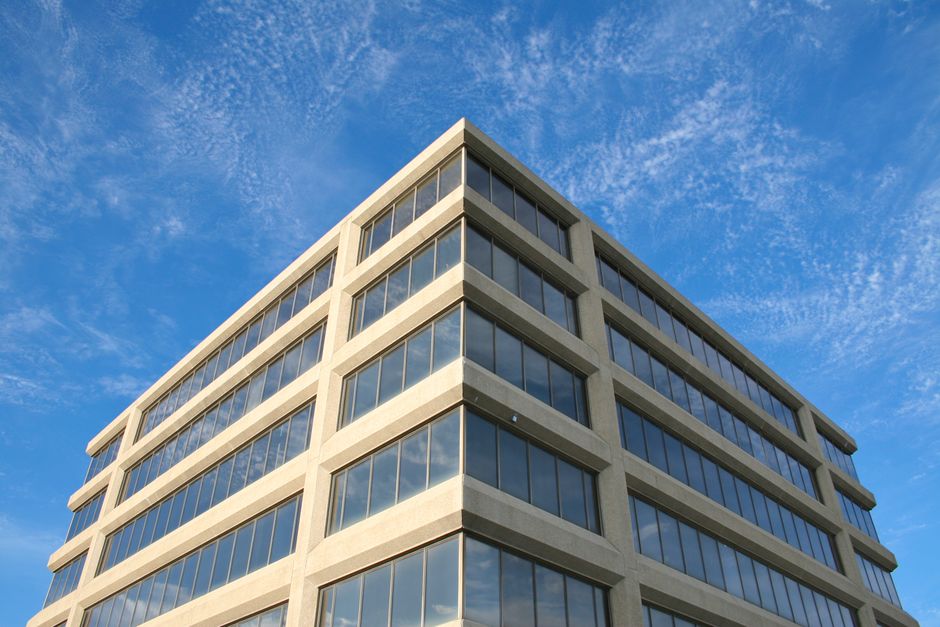
Office buildings are the traditional play. These range from small standalone offices to massive downtown towers. Medical centers are booming in South Florida right now, especially with our aging population. Retail stores, malls, and shopping centers fall under commercial real estate too. Then there’s hospitality: hotels, motels, and resorts. Warehouses and storage facilities are huge for investors looking for steady cash flow. You’ve also got multifamily properties (apartments and condos with 5+ units), farmland, and parking garages rounding out the options.
Each property type has different financing, tenant bases, and income potential. A medical office plays differently than a warehouse, which plays differently than a retail strip. That’s why you need to understand what you’re actually buying before you put down money.
The 2026 Commercial Real Estate Market in Florida
Here’s the honest truth: commercial real estate is still adjusting. Pricing expectations across multiple sectors remain in flux, and that’s actually good news if you know how to play it.
The market has moved past the panic phase, but it hasn’t fully stabilized everywhere. Office buildings are still working through changes in how companies use space. Retail is adapting to shifts in shopping behavior. Industrial and warehouse properties? Those are relatively stronger. This is a buyer’s and tenant’s market if you’re strategic about timing.
Related: Miami Penthouse for Sale: Your Complete 2026 Buyer’s Guide
Related: Real Estate Listings: Your Complete Guide to Finding the Right Property
Related: Celebration Florida Homes for Sale: Your Complete Buyer’s Guide
Related: Commercial Real Estate for Sale in South Florida: Your 2026 Buyer’s Guide
Related: Houses for Sale Florida: 2026 Buyer’s Guide
Related: Real Estate Agent Selling a House: Complete 2026 Guide
Related: Real Estate Agent for Investment Property: Florida Guide
Related: What Does a Real Estate Broker Do? Your Florida Guide
Related: Miami Beach Homes for Sale Luxury: Your Complete 2026 Buyer’s Guide
Related: Luxury Real Estate Miami: The Complete Guide for Discerning Buyers
Related: Miami Off-Plan Condos: Complete Buyer’s Guide for 2026
The advice from major real estate counselors is clear: slow down and be deliberate. Don’t rush. Opportunities exist for serious deals in markets still stabilizing, but only if you’re patient and analytical. Real estate investors are optimistic about the future, and they’re right to be—but optimism without strategy is just gambling.
Pricing Strategy: Don’t Overprice Your Property
This is the biggest mistake commercial property sellers make right now. Overpricing massively reduces your likelihood of actually closing a deal. In today’s market, presentation quality is critical, but realistic pricing is everything.
Monitor sector-specific pricing trends before you make an offer or list your property. Look at comparable sales in your market. Check the lease rates for similar properties. Don’t assume yesterday’s valuations apply today. The market has changed, and your pricing needs to reflect that.
Here’s where working with someone who knows Florida’s specific markets matters. Florida Real Estate Specialist has 15 years of South Florida experience and can help you price competitively without leaving money on the table. Competitive pricing right now gives you negotiation leverage and actually leads to faster, better deals.
Buying or selling?

How to Find Commercial Real Estate Opportunities
Multiple platforms are available for finding properties for sale, lease, and auction. You’ve got MLS systems, national listing sites, commercial real estate networks, and direct broker relationships. The key is knowing where to look for your specific property type.
If you’re hunting in Florida, you have access to regional search tools specific to Florida markets. You can filter by property type, price range, location, and investment profile. But here’s the thing: not all deals show up on public platforms. The best commercial real estate deals often happen through professional networks and direct broker relationships.
That’s why connecting with experienced local agents is so valuable. They have access to off-market deals, proprietary listings, and deep relationships with other commercial brokers. You want someone who has been in the South Florida market long enough to know which properties are about to hit the market before they’re officially listed.
Negotiation Advantage in Today’s Market
The current market adjustment period is actually a gift to smart buyers and investors. Sellers are motivated. Landlords need tenants. Lenders are more flexible than they were two years ago.
Use this environment to negotiate harder on price, terms, and lease rates. Ask for tenant improvement allowances. Negotiate longer lease periods with rate caps. Request seller financing if rates are high. In a softer market, landlords and sellers are more willing to work with you on creative deals.
But you have to know the numbers cold. Don’t go into negotiations blind. Understand cap rates, NOI (net operating income), tenant quality, lease terms, and the actual market value of the property. CMBS delinquency rates have been dropping, which means the market is slowly healing—another reason to move thoughtfully but confidently.
Key Metrics Every Commercial Real Estate Investor Should Track
When you’re evaluating commercial real estate, you can’t just look at the sale price. You need to understand the income the property generates.
Cap rate (capitalization rate) tells you the return on your investment. It’s calculated by dividing the annual net operating income by the property’s purchase price. A higher cap rate means more return, but sometimes it also means higher risk. Understand what’s normal in your market.
NOI is your net operating income: revenue minus operating expenses (but before debt service and taxes). This number shows the real cash the property is making. Gross rent multiplier is another useful metric—it’s the purchase price divided by gross annual rental income.
Tenant quality matters enormously. A property with strong, stable tenants on long leases is worth more and is less risky than a property with month-to-month tenants. Check vacancy rates. Research your tenants’ credit and business stability.
Location, as always, is critical. Properties in high-growth areas with economic diversity are more resilient than properties in stagnant or one-industry markets. South Florida has strong diversification and solid population growth, which supports commercial real estate values.
When to Call in Professional Real Estate Counsel

Commercial real estate deals are complex. There are zoning issues, environmental concerns, tenant agreements, financing complications, and market volatility. This isn’t the place to DIY or try to save a few bucks on professional guidance.
A qualified commercial real estate advisor can help you navigate market volatility, understand whether you’re getting a fair deal, identify off-market opportunities, and protect yourself legally and financially. They know the local market, the players, and the trends. They’ve seen what works and what blows up. That experience is worth paying for.
Whether you’re buying, selling, or leasing commercial property in Florida, having someone in your corner who understands the specifics of South Florida’s market is crucial. Florida Real Estate Specialist brings deep local expertise and a straightforward approach to commercial real estate that focuses on your actual goals, not on pumping up commissions.
Red Flags in Commercial Real Estate Deals
Watch out for properties with high vacancy rates that the seller claims will fill up soon. Get proof. Ask for tenant roll information and verify lease terms independently.
Be skeptical of heavily optimized income projections. Stick to what’s actually happening now, not what might happen in five years. If the numbers only work based on aggressive growth assumptions, the deal is risky.
High turnover in property management is a red flag. It suggests operational problems. Old, deferred maintenance that the seller minimizes is another warning sign—get a professional inspection.
Misaligned lease expiration dates can hurt you too. If all your tenants’ leases expire in the same year, you face massive re-leasing risk. Staggered lease expirations are better for cash flow stability.
Finally, be wary of deals that depend on zoning changes or regulatory approvals. These can take years or never happen at all. Buy based on what the property is now, not what you hope it becomes.
Moving Forward With Your Commercial Real Estate Investment
Commercial real estate can be an excellent investment if you approach it strategically. The 2026 market offers real opportunities for buyers who are patient, analytical, and realistic about pricing and returns.
Start by getting clear on what type of property fits your goals and risk tolerance. Do your market research. Understand the numbers cold. Don’t overprice—it kills deals. Leverage the current market adjustment to negotiate aggressively. And seriously consider working with experienced local professionals who understand Florida’s specific landscape.
Ready to explore commercial real estate opportunities in South Florida? The market is moving, deals are being made, and the right guidance makes all the difference. Florida Real Estate Specialist is ready to walk you through your options and help you make a move that actually makes sense.
People Also Ask About Commercial Real Estate
What’s the difference between commercial and residential real estate?
Commercial property is used for business purposes and generates business income. Residential is for personal use. Commercial financing is different, tenant relationships are different, and the way you analyze returns is different. Commercial property is typically a longer-term investment with more complex management.
How much money do you need to invest in commercial real estate?
It depends on the property type and location. Commercial mortgages typically require 20-30% down payment, though some can go lower. A small retail space might require $100K-300K down. A larger office building or industrial complex could be in the millions. Start with what you can actually afford to invest and hold.
What’s a good cap rate for commercial real estate in Florida?
Market cap rates vary by property type and location. Industrial and warehouse properties typically have lower cap rates (5-7%) because they’re considered more stable. Retail and office have higher cap rates (7-10%+) because they carry more risk. South Florida’s strong market supports solid returns—work with local experts to understand what’s realistic for your specific market and property type.
Can you get a loan for commercial real estate?
Yes. Commercial real estate financing is available through banks, credit unions, and commercial lenders. Qualification is more stringent than residential—lenders will want strong credit, significant cash reserves, and detailed financial projections for the property. Interest rates are typically higher than residential mortgages. Getting pre-approved before you start shopping shows sellers you’re serious and ready to close.
Buying or selling?


