
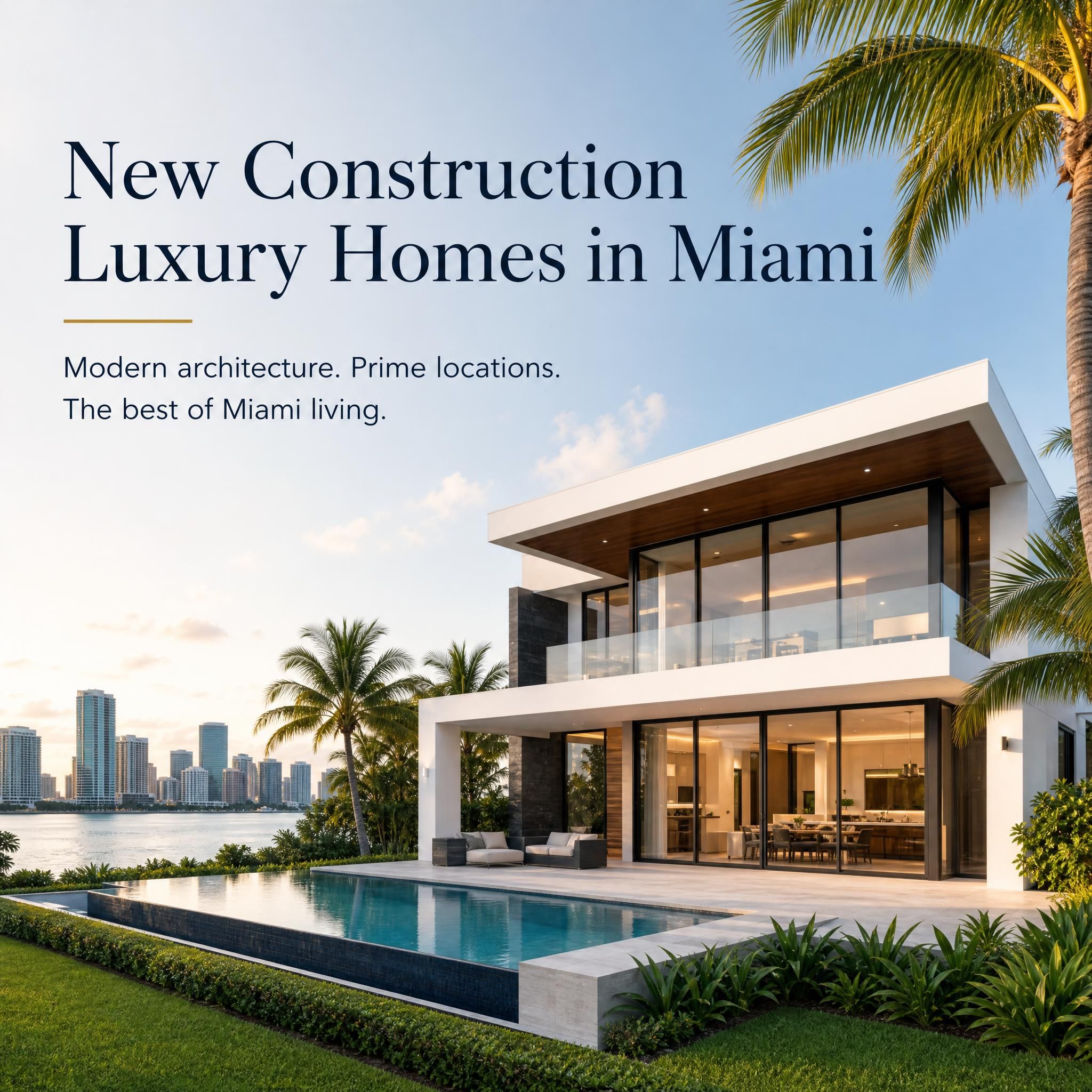
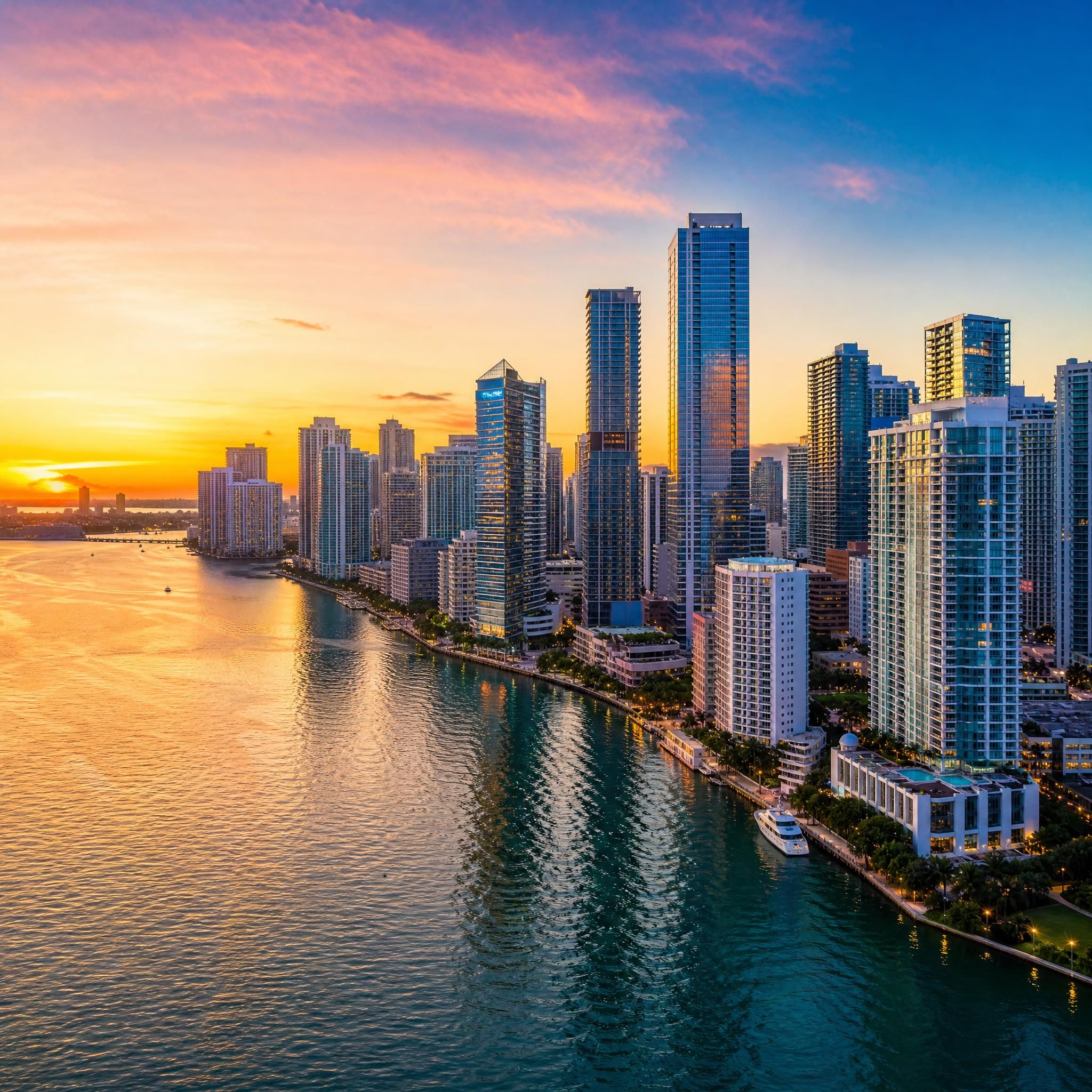
If you've been watching Miami's luxury real estate market and wondering when to make your move, the answer is: you need a plan — not just a property. Miami's 2026 new developments offer buyers unprecedented luxury amenities, flexible pre-construction pricing, and developer incentives, but the sheer volume of options, marketing pressure, and financial complexity can turn a dream purchase into an expensive mistake without the right approach.
This is not a general overview of Miami's luxury scene. This is your tactical playbook — seven actionable strategies that separate buyers who secure exceptional value from those who overpay, overlook red flags, or simply get outmaneuvered by a fast-moving market. Whether you're targeting a Brickell luxury condo, a Miami waterfront property, or a boutique Coconut Grove residence, these strategies will sharpen every decision you make.
📊 10,591 homes listed at $1M+ — more than any U.S. city – Miami Million-Dollar Listings
Table of contents
- Why the 2026 Miami Market Rewards Prepared Buyers
- Strategy 1: Understand Which Market You're Actually Entering
- Strategy 2: Master the Pre-Construction Deposit Structure
- Strategy 3: Conduct Ruthless Developer Due Diligence
- Strategy 4: Decode HOA Documents Before You Fall in Love
- Strategy 5: Choose Your Neighborhood with Investment Precision
- Strategy 6: Align Your Financing Strategy Early
- Strategy 7: Negotiate Beyond the Price Tag
- FAQ
- Key Statistics
Why the 2026 miami market rewards prepared buyers
Miami has displaced New York City from its long-held position as the U.S. metropolitan area with the most homes listed above the $1 million threshold. By December 2025, Miami had 10,591 listings priced at $1 million and above, compared with NYC's 10,176. That milestone is more than symbolic — it signals a structural shift in where American and global wealth is accumulating.
Foreign buyers invested a record $4.4 billion in South Florida residential real estate in 2025 — a 42% jump from the previous year. International purchasers now account for roughly 15% of all residential dollar volume in the Miami metro area and an astonishing 52% of new-construction and pre-construction condo sales.
But here's the critical nuance: the Miami new construction market in 2026 is simultaneously one of the most exciting and one of the most dangerous new construction markets in recent memory. The quantity of product, the quality of the marketing, and the intensity of sale pressure all combine to create conditions where buyers without good information can make very expensive mistakes.
The strategies below exist precisely to protect you from that outcome.
Strategy 1: understand which market you're actually entering
The single most important insight for any 2026 buyer is this: Miami luxury real estate is not one market — it is two. Treating them as the same is the most common and costly mistake buyers make.
Brickell in 2026 is not one market. It is two markets operating simultaneously with no connection to each other. The mid-tier legacy segment carries 17 months of supply, 113 average days on market, and prices trading between $657 and $695 per square foot, down approximately 13% year-over-year. The ultra-luxury pre-construction segment operates at $2,000 to $3,000 per square foot with near-zero supply and all-cash buyers.
This bifurcation matters enormously for your strategy:
| Market Tier | Price/SF Range | Supply | Buyer Profile |
|---|---|---|---|
| Mid-Tier Legacy Buildings | $657–$695 | 17 months | Domestic, financed |
| Ultra-Luxury New Construction | $2,000–$3,000 | Near zero | Cash, international |
| Branded Residences (New) | $2,500–$5,000+ | Very limited | Ultra-HNW, global |
Your action step: Before touring any property, define your tier. Are you buying a lifestyle asset, an investment vehicle, or both? The answer will determine which buildings deserve your attention — and which ones you should walk past regardless of how beautiful the sales gallery looks.
At the top of the Brickell market, pricing operates with complete insulation from the mid-tier correction. The Mandarin Oriental Residences on Brickell Key generated $1.3 billion in presales, setting a mainland pricing record with two simultaneous penthouses transacting at $49.9 million each in March 2026. Understanding that this tier exists — and operates by entirely different rules — is foundational.
Strategy 2: master the pre-construction deposit structure
Pre-construction is the dominant purchase model for new construction luxury homes in Miami, and its deposit structure is unlike anything in traditional real estate. Going in without understanding it is like signing a contract you haven't read.
Luxury pre-construction means purchasing a residence before or during construction, directly from the developer. This model dominates Miami's high-end market, especially for waterfront and branded projects.
Here is the typical deposit timeline you should expect:
| Milestone | Typical Deposit |
|---|---|
| Reservation | $25,000–$100,000 |
| Contract Signing | 10%–20% of purchase price |
| Construction Milestones | +10%–20% in stages |
| Balance at Closing | Remaining amount |
Most ultra-luxury towers ask for a total deposit between 40 and 50 percent of the purchase price, spread across reservation, contract signing, groundbreaking, structural milestones such as top-off, and sometimes a later pre-closing installment, with the remaining balance due at closing.
Delivery timelines usually range from 24 to 48 months. That's real money committed for up to four years — which is why understanding assignment policies, cancellation rights, and Florida's escrow protections is non-negotiable.
Your action step: Florida law gives new construction condo buyers a 15-day rescission period after receiving the developer's prospectus. Use every single day of that window. Have a Florida real estate attorney review the purchase agreement, deposit schedule, and assignment clause before you commit a single dollar.
Strategy 3: conduct ruthless developer due diligence
In a market flooded with branded towers, celebrity-name developments, and glossy sales galleries, the developer's track record is the single most predictive variable of your outcome. A beautiful building from an unreliable developer is a liability, not an asset.
Recent news from Realtor.com highlighted that residents at a luxury Miami condo tower claimed construction defects — a cautionary reminder that even high-profile projects can carry significant quality risks.
Here is your developer due diligence checklist:
✅ Track Record
- How many luxury towers have they delivered in Miami specifically?
- Were they delivered on time and on budget?
- What do owners in their existing buildings say about construction quality?
✅ Financial Strength
- Is the project fully capitalized, or dependent on future sales to fund construction?
- JLL secured over $565 million in construction financing for an ultra-luxury condominium tower in Miami — that level of institutional backing is a strong positive signal. Look for it.
✅ Legal History
- Search for litigation, liens, or complaints against the developer in Florida court records
- Review the developer's disclosure statement for pending legal actions
✅ Build Quality Commitments
- What certifications does the building carry? (LEED, Miami-Dade impact resistance)
- Who are the architect and general contractor, and what is their track record?
Your action step: Request a list of the developer's three most recently completed Miami projects. Visit those buildings in person. Talk to residents. The sales gallery shows you what they want you to see — the existing buildings show you what they actually deliver.
Strategy 4: decode HOA documents before you fall in love
This is where sophisticated buyers separate themselves from emotional ones. One of the biggest mistakes buyers make is failing to thoroughly review condominium association documents before submitting an offer. For new construction, the developer provides a prospectus that can run hundreds of pages — but the specific sections to focus on can reveal everything from a looming special assessment to structural issues.
The typical Miami luxury condo carries $800 to $1,500 in monthly HOA fees, so understanding exactly what those fees cover — and how they may escalate — is critical to underwriting your true cost of ownership.
Key documents to review:
| Document | What to Look For |
|---|---|
| Declaration of Condominium | Ownership rights, restrictions, pet policies |
| Association Budget | Reserve funding percentage, operating expenses |
| Reserve Study | Adequacy of reserves for future capital needs |
| Meeting Minutes | Pending assessments, disputes, deferred maintenance |
| Developer Prospectus | Projected HOA fees, amenity commitments, delivery guarantees |
Reserves deserve particular attention. In luxury real estate, underfunding can be more disruptive than a high monthly expense because it may introduce uncertainty. A well-planned building can feel more expensive on paper while offering a more stable ownership experience. Conversely, a building that has postponed major work may appear efficient until a capital need becomes unavoidable.
Your action step: For new construction, ask the developer how the HOA budget is expected to mature after opening. A building that opens with artificially low fees to attract buyers and then raises them sharply in year two is a known tactic. Get the projected five-year budget in writing.
Strategy 5: choose your neighborhood with investment precision
Every luxury neighborhood in Miami has a distinct buyer profile, price trajectory, and investment thesis. Choosing the right one for your goals requires more than aesthetics — it requires data.
Brickell: urban sophistication, bifurcated market
Brickell remains one of Miami's most expensive condo neighborhoods, with the luxury segment (above $1M) averaging $1,150 per square foot — up 6.1% year-over-year. The ultra-luxury tier (above $3M) commands $1,800+ per square foot, up 8.5%. New branded towers including 619 Brickell by Nobu (74 stories, 300 units) and the Residences at 1428 Brickell are redefining the skyline.
Best for: Corporate relocators, urban lifestyle buyers, investors targeting branded-residence premium
Miami beach: oceanfront scarcity commands premium pricing
Miami Beach development activity concentrates in Mid-Beach, where several underutilized sites permit new construction without the historic preservation constraints affecting South Beach. Pricing reflects oceanfront scarcity — $1,500 to $2,500 per square foot represents the entry point, with penthouses exceeding $5,000.
Best for: Ultra-HNW buyers, lifestyle-first purchasers, international buyers seeking trophy assets
Edgewater: bayfront value with growth trajectory
Edgewater offers newer construction and bayfront living at a relative discount to Miami Beach, with projects like Villa Miami and Aria Reserve delivering world-class amenities at more accessible price points per square foot. This neighborhood consistently attracts buyers seeking skyline views and growth potential.
Best for: Value-conscious luxury buyers, investors seeking appreciation upside
Coconut grove: boutique luxury, historic cachet
The Four Seasons Coconut Grove has emerged as one of the most discussed new luxury condo projects in Miami, reflecting the neighborhood's growing appeal for buyers who want boutique scale, lush greenery, and a residential atmosphere without sacrificing amenities.
Best for: Families, lifestyle buyers, those seeking privacy over density
Design district / wynwood: cultural premium, emerging luxury
The Miami Design District is experiencing significant new development activity, with a buyer's market emerging for those who want to be at the intersection of luxury retail, art, and residential living.
Best for: Design-forward buyers, art collectors, early adopters seeking appreciation
📊 25–40% price premium over non-branded properties of similar quality – Branded Residence Premium
Strategy 6: align your financing strategy early
One of the most frequent deal-killers in Miami's luxury new construction market is a buyer who falls in love with a property before understanding how — or whether — they can finance it. Get your financing architecture in place before you tour a single building.
Common loan options for Miami luxury condo buyers include jumbo loans for luxury purchases, super jumbo financing for high-end residences, foreign national programs designed for international buyers, DSCR loans popular among investors purchasing rental properties, and pre-construction financing that typically requires staged deposits prior to completion. Understanding your financing options before beginning your search can help prevent delays and failed transactions later in the process.
Critical considerations for 2026:
- Cash vs. Financed: Cash buyers have more flexibility, and that is one reason why cash transactions represent a substantial share of luxury condo sales in Miami, particularly in Fisher Island, Star Island, Bal Harbour, and the upper floors of Brickell's super-prime towers.
- Warrantability: Even if you're a cash buyer, a building's mortgage warrantability affects who can buy from you at resale — and therefore affects your exit value.
- International buyers: Dedicated foreign national loan programs exist, but terms vary significantly. Work with a lender who specializes in cross-border Miami transactions.
- Pre-construction timing: Staged deposit schedules mean your capital is committed in tranches over 2–4 years. Model your liquidity accordingly.
Your action step: Get pre-approved (or for cash buyers, prepare a proof-of-funds letter) before your first developer meeting. Developers and their agents give priority access to serious, qualified buyers — especially for the best floor plans and units.
Strategy 7: negotiate beyond the price tag
In Miami's new construction luxury market, the sticker price is rarely the only variable on the table. Developers — especially those with units still available — have more flexibility than their polished sales presentations suggest. Knowing what to negotiate can add tens of thousands of dollars in real value.
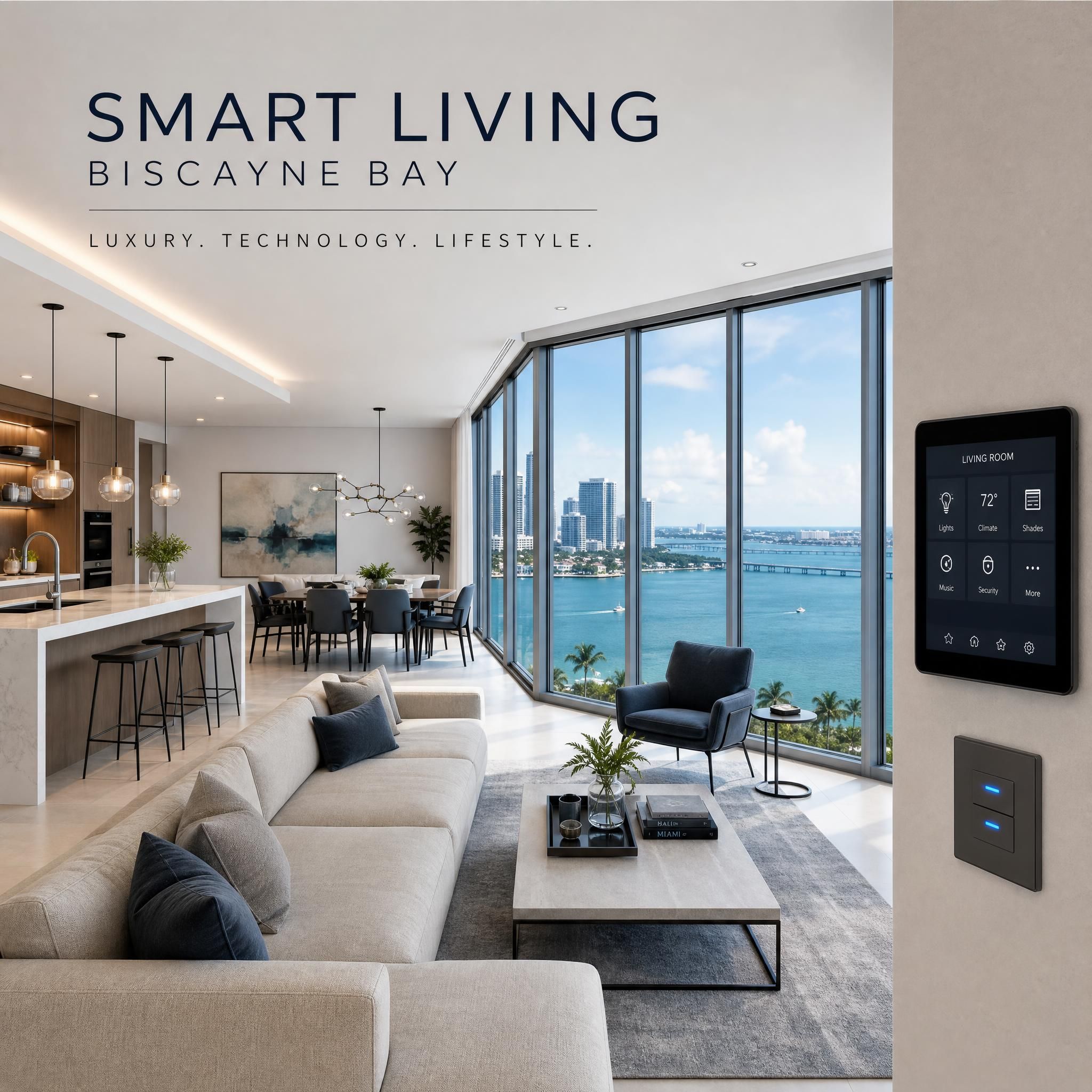
Complimentary upgrade packages offering premium flooring, upgraded appliances, and smart home integration might represent $40,000 to $75,000 in retail value. Smart buyers compare base finishes across competing buildings to understand whether the "free" upgrades truly add value.
What to put on the negotiating table:
| Negotiable Item | Potential Value |
|---|---|
| HOA fee waivers (6–12 months) | $9,600–$18,000 |
| Upgrade packages (flooring, appliances, smart home) | $40,000–$75,000 |
| Parking space inclusion | $50,000–$150,000 |
| Storage unit | $20,000–$40,000 |
| Closing cost contributions | Varies |
| Assignment rights | Strategic value |
Price lock provisions protect buyers against increases during construction but rarely include protections against market declines. In a declining market, buyers remain obligated to their original purchase price while comparable units sell for less. This is a key risk to understand and, where possible, negotiate around through assignment clause flexibility.
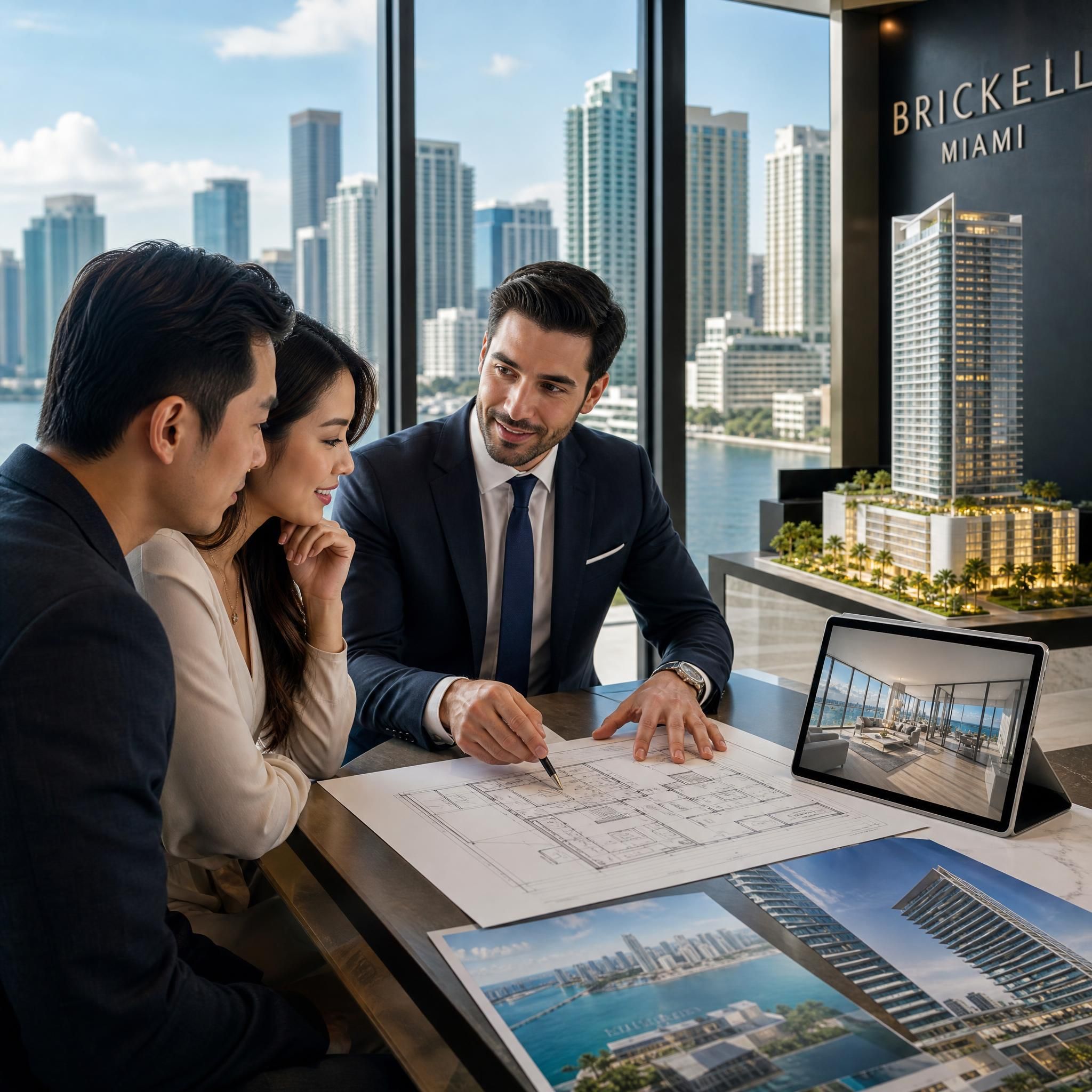
Your action step: Work with a buyer's agent who has direct developer relationships — not one who primarily represents sellers. Working with an agent who maintains direct developer relationships provides decisive advantage in accessing priority registration, securing preferred floor plans, and navigating the pre-construction purchase process. The best units — the corner residences, the high floors, the water-view lines — are allocated before the public ever sees them.
Putting it all together: your 90-day action plan
The buyers who succeed in Miami's 2026 luxury new construction market are not the ones who move fastest — they're the ones who move most deliberately. Here's a practical sequence:
Weeks 1–4: Foundation
- Define your buyer profile: lifestyle, investment, or hybrid
- Establish your budget including all carrying costs (HOA, taxes, insurance)
- Engage a Florida real estate attorney and a luxury-specialist buyer's agent
- Secure financing pre-approval or proof of funds
Weeks 5–8: Market Education
- Tour 3–5 neighborhoods in person (not just sales galleries — the streets, restaurants, and lifestyle)
- Attend developer presentations with your agent — never alone
- Request prospectuses for your top 2–3 buildings and begin document review
Weeks 9–12: Decision and Execution
- Complete HOA document review with your attorney
- Conduct developer due diligence on shortlisted projects
- Negotiate terms, not just price
- Use your 15-day rescission period fully before finalizing
"The buyers who capture the greatest value in new construction in Miami recognize that waiting for perfect clarity means accepting higher prices or reduced inventory selection." — Joelle Oiknine, Miami Luxury Real Estate Specialist
Questions fréquentes (FAQ)
What is the minimum budget to buy a new construction luxury condo in miami in 2026?
Entry-level luxury new construction in Miami begins around $1 million in neighborhoods like Edgewater and parts of Brickell. Branded residences and waterfront properties in Miami Beach or Brickell Key typically start at $3–5 million, with ultra-luxury penthouses reaching $20 million and above. Pre-construction units often offer the best price-per-square-foot entry point within each tier.
How long does it take to close on a pre-construction luxury condo in miami?
Pre-construction timelines in Miami typically range from 24 to 48 months from contract to closing, depending on the project's construction phase when you purchase. Projects already under construction offer shorter timelines. Always build timeline flexibility into your plans, as construction delays — while not the norm for established developers — do occur.
Is miami new construction a good investment in 2026?
The data supports a selective yes. Ultra-luxury branded new construction in Brickell, Miami Beach, and Edgewater continues to appreciate, with the luxury segment (above $1M) in Brickell up 6.1% year-over-year. However, the mid-tier legacy condo market is under pressure. The investment thesis depends heavily on which building, which tier, and which floor plan you select — broad generalizations do not apply.
What taxes do i pay when buying a luxury condo in miami?
Florida has no state income tax, which is a significant advantage for buyers relocating from New York, California, or other high-tax states. Buyers pay a documentary stamp tax of approximately 0.7% of the sale price, plus standard closing costs. There is no mansion tax in Florida, unlike New York, where the mansion tax reaches 3.9% on high-value transactions.
Can international buyers purchase new construction luxury condos in miami?
Yes, with some restrictions. Florida's SB 264 restricts buyers from seven specific countries (China, Russia, Iran, North Korea, Cuba, Venezuela under Maduro's government, and Syria) from purchasing certain properties. For buyers from other countries — including Colombia, Argentina, Brazil, Mexico, and most of Europe — the process is straightforward. Dedicated foreign national loan programs are available, and many international buyers transact in cash.
Chiffres clés
📊 $4.4 billion invested by foreign buyers in South Florida residential real estate in 2025 — a 42% jump year-over-year (Source: MIAMI Association of Realtors, 2026)
💡 52% of new-construction and pre-construction condo sales in Miami are to international buyers (Source: Tom Day Properties / MIAMI Association of Realtors, 2026)
🏙️ $1,800+/SF — average price per square foot for ultra-luxury new construction in Brickell, up 8.5% year-over-year (Source: Manhattan Miami Real Estate, Q1 2026)
🔑 15 days — Florida law gives new construction condo buyers 15 business days to review the developer prospectus and cancel risk-free (Source: Florida Condo Law)
📊 52% of new-construction condo sales in Miami – International Buyer Share of New Construction
Conclusion: your miami luxury purchase starts with a strategy
Miami's new construction luxury market in 2026 is genuinely extraordinary — and genuinely complex. The opportunity is real: a global city with no state income tax, world-class new inventory, and sustained international demand that has made it America's undisputed luxury real estate capital. But the reward goes to buyers who approach it with preparation, not just passion.
Apply these seven strategies — understand your market tier, master the deposit structure, vet your developer, decode HOA documents, choose your neighborhood with precision, align your financing early, and negotiate beyond the price — and you will be positioned to make one of the most rewarding purchases of your life.
Ready to take the next step? Schedule a private consultation with a Miami luxury new construction specialist to access priority inventory, off-market opportunities, and expert guidance tailored to your goals. The best units in the best buildings don't wait — but the right buyer always comes prepared.


