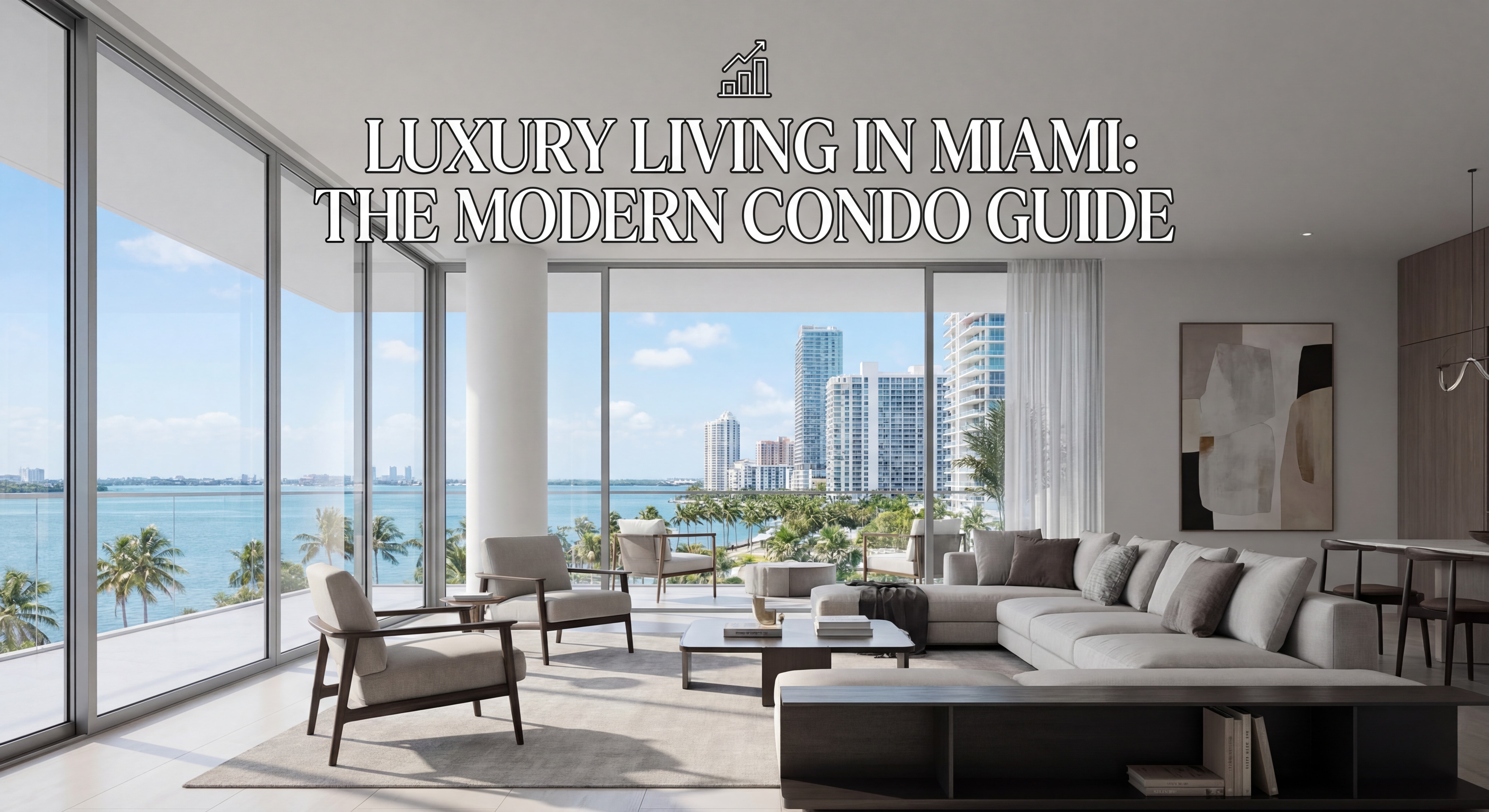
The Miami luxury real estate market has never been more dynamic. With Miami now surpassing New York as the major U.S. city with the most $1 million homes and international buyers accounting for 52% of new-construction purchases in some areas, knowing how to navigate this competitive landscape is essential. Whether you're eyeing a waterfront penthouse in Brickell or a branded residence on Miami Beach, this comprehensive guide delivers the actionable strategies, insider tips, and step-by-step tactics you need to secure your dream property in 2026.
Table of Contents
- Step 1: Master Your Pre-Construction Timeline
- Step 2: Evaluate Developers Like a Seasoned Investor
- Step 3: Decode Deposit Structures and Payment Schedules
- Step 4: Navigate Contract Review and Due Diligence
- Step 5: Strategic Negotiation Tactics for Miami's Market
- Step 6: Secure Optimal Financing for Luxury Properties
- Step 7: Choose Your Neighborhood Strategically
- Step 8: Conduct Thorough Inspections and Final Walkthroughs
Step 1: Master Your Pre-Construction Timeline
Understanding when to enter the market can mean the difference between securing a premium unit at pre-launch pricing or paying 25-40% more at completion. Miami's luxury pre-construction cycle follows predictable patterns that savvy buyers exploit.
When to Buy: Seasonal Market Intelligence
High Season (November-April): This period brings more buyers, faster decision cycles, and increased competition. International activity surges as visitors from Latin America, Europe, and Canada arrive for winter. While you'll face more competition, inventory is broader and signature events like Art Basel in early December can create selective high-value opportunities.
Low Season (June-September): Summer months offer strategic advantages for prepared buyers. You'll encounter less competition, more negotiating leverage on price and terms, and sellers more willing to accommodate flexible closing dates. Developers may offer incentives to maintain sales momentum during slower periods.
📊 **Industry Reports 2026]
The Pre-Launch Advantage
The absolute best time to buy is during the pre-launch or "friends and family" phase—typically 3-6 months before public sales begin. This window offers:
- 10-15% lower pricing compared to official launch
- First selection of premium units, floors, and views
- More flexible contract terms as developers gauge market interest
- Exclusive access through broker relationships with developers
Work with specialists who have direct developer relationships to access these opportunities before they hit the public market.
Construction Milestone Calendar
A typical Miami luxury pre-construction timeline spans 24-48 months:** – International buyers represent over 50% of sales in Miami pre-construction towers(https://limova-public-v2.s3.eu-central-1.amazonaws.com/blog-images/blog-image-1774098316802-middn1tu.jpeg)
Red Flags to Avoid:
- Developers with no completed Miami projects
- Vague or constantly changing timelines
- Pressure tactics or "limited time" pricing without substance
- Inability to provide detailed construction schedules
- Projects launching without secured financing
"74-story '619 Brickell' to offer 300 luxury condos, representing new wave of high-rise development"
— Florida YIMBY
Step 3: Decode Deposit Structures and Payment Schedules
Understanding deposit requirements is crucial for cash flow planning and protecting your investment during the 2-4 year construction period.
Standard Luxury Deposit Framework
Miami luxury pre-construction typically requires 30-50% total deposits paid in stages before closing:
Typical Payment Schedule:
- Reservation Deposit: $25,000-$100,000 (refundable during attorney review period)
- Contract Execution: 10-20% of purchase price
- Groundbreaking: Additional 10%
- Midpoint Construction: Additional 10-20%
- Top-Off/Substantial Completion: Final 10%
- Closing: Remaining 50-70% balance
Example for a $3 Million Condo:
- Reservation: $50,000
- Contract: $300,000 (10%)
- Groundbreaking: $300,000 (10%)
- Midpoint: $300,000 (10%)
- Top-Off: $300,000 (10%)
- Total Pre-Closing: $1.25M (42%)
- Closing Balance: $1.75M (58%)
Escrow Protection and Florida Law
All deposits must be held in interest-bearing escrow accounts governed by Florida condominium law. This provides critical buyer protections:
- Deposits cannot be accessed by developers until specific milestones
- Funds are insured and segregated from operating capital
- You receive interest earned on deposits (typically)
- Escrow agent releases funds only per contract terms
Action Item: Verify the escrow agent's credentials and confirm the account is properly established before transferring any funds. Request written confirmation of deposit receipt.
Negotiating Deposit Terms
While deposit schedules are often standardized, there's room for negotiation:
- Early buyers (pre-launch phase) may secure lighter deposit structures
- Cash buyers can sometimes negotiate lower total deposits in exchange for faster closings
- Multiple unit purchases create leverage for custom payment terms
- Market conditions matter—slower sales periods offer more flexibility
Pro Tip: Never agree to deposit structures that exceed 50% before closing unless the developer provides additional guarantees like completion bonds or bank guarantees.
Step 4: Navigate Contract Review and Due Diligence
The purchase contract for new construction is substantially different from resale transactions. Missing critical clauses or failing to conduct proper due diligence can cost you hundreds of thousands.
Essential Contract Elements to Scrutinize
Material Specifications and Substitution Rights
- Demand detailed lists of all finishes, brands, and materials
- Limit developer's right to substitute materials
- Require written approval for any changes affecting value
- Include penalty clauses for unauthorized downgrades
Example clause: "Developer may not substitute marble for porcelain, or any material of lesser value, without buyer's written consent. Any approved substitution must be of equal or greater quality and value."
Completion Timelines and Delay Penalties
- Establish firm completion dates with acceptable delay windows
- Include developer penalties for delays beyond force majeure
- Secure right to cancel with full refund after specific delay periods
- Define what constitutes "substantial completion"
Unit Specifications and Square Footage
- Marketing materials often differ 10-15% from recorded square footage
- Verify measurements are based on official architectural plans
- Include "as-built" verification rights before closing
- Address potential changes like added columns or modified layouts
HOA Fees and Operating Costs
- Review projected HOA fee estimates and reserve fund contributions
- Understand what amenities and services are included
- Verify developer's assumptions for utilities and staffing
- Include caps on first-year fee increases
The 15-Day Review Period
Florida law provides a 15-day cancellation period after receiving condo documents. Maximize this window:
Days 1-5: Document Assembly
- Collect all offering documents, floor plans, and specifications
- Obtain HOA bylaws, budget projections, and reserve studies
- Review all architectural plans and amenity renderings
- Compile developer's marketing materials and representations
Days 6-10: Professional Review
- Engage a Florida real estate attorney specializing in condo law
- Have attorney review purchase agreement, condo documents, and disclosures
- Consult with financial advisor on HOA fee projections
- Research surrounding development pipeline for view obstructions
Days 11-15: Negotiation and Decision
- Address any red flags or concerns with developer
- Negotiate contract amendments if needed
- Make final go/no-go decision
- Submit cancellation notice if necessary (before day 15 deadline)

Critical Due Diligence Beyond the Contract
Surrounding Development Research
- Check Miami-Dade zoning and property records for adjacent lots
- Use drone photography to verify current views and sight lines
- Research approved construction permits within 1-mile radius
- Evaluate potential view obstructions from future towers
Developer Reputation Investigation
- Interview residents of developer's completed buildings
- Search online reviews and social media feedback
- Check Florida construction lien records
- Verify no outstanding code violations on previous projects
Financial Stress Testing
- Model HOA fee increases of 3-5% annually
- Calculate true cost of ownership including taxes, insurance, fees
- Verify property tax assessments won't spike upon completion
- Understand special assessment risks for major repairs
📊 **Miami Market Data 2026]
Step 5: Strategic Negotiation Tactics for Miami's Market
Even in competitive markets, skilled negotiation can save you significant money and secure better terms. The key is understanding leverage points and market psychology.
Pricing Strategy and Anchoring
For Pre-Launch Opportunities:
- Developers often test pricing with early buyers
- Express serious interest but request "VIP pricing" for commitment
- Emphasize your readiness to close quickly
- Offer larger upfront deposits in exchange for price concessions
For Active Sales:
- Research comparable units that have sold in the building
- Track price per square foot trends across similar developments
- Identify slow-selling units that have been available 90+ days
- Use market data to justify lower offers
Leveraging Buyer Strengths
Cash Buyers:
- Emphasize no financing contingencies
- Offer faster closing timelines
- Negotiate lower deposit requirements
- Request premium unit upgrades at no cost
International Buyers:
- Highlight ability to close despite market fluctuations
- Demonstrate financial strength through bank letters
- Offer to purchase multiple units for additional discounts
- Request assistance with tax structuring and legal setup
Early Buyers:
- Leverage first-mover advantage for best unit selection
- Negotiate fixed pricing regardless of future increases
- Secure upgrade packages before standard finishes are finalized
- Request assignment rights if project allows
Non-Price Negotiation Wins
Sometimes the best value comes from terms rather than price:** – Average luxury condo HOA fees in Brickell range from $0.60-$1.20 per square foot monthly(https://limova-public-v2.s3.eu-central-1.amazonaws.com/blog-images/blog-image-1774098314252-3irfwuwd.jpeg)
Tax-Efficient Ownership Structures
Consult with tax advisors on optimal ownership structure:
Individual Ownership
- Simplest structure
- Personal mortgage interest deduction (up to limits)
- Step-up in basis for estate planning
LLC Ownership
- Liability protection
- Privacy benefits
- Potential complications with conventional financing
- May require commercial loan terms
Trust Ownership
- Estate planning advantages
- Privacy protection
- Lender must approve trust structure
- Additional legal costs
International Buyers: Special Considerations
- FIRPTA withholding requirements on future sale
- Treaty benefits depending on home country
- Potential use of U.S. entity for tax efficiency
- Consult cross-border tax specialist
Step 7: Choose Your Neighborhood Strategically
Location drives both lifestyle satisfaction and investment returns. Each Miami luxury neighborhood offers distinct advantages.
Brickell: The Manhattan of the South
Best For: Young professionals, investors, urban lifestyle enthusiasts
Advantages:
- Financial district proximity and corporate density
- Strong rental demand from executives and relocating professionals
- Average price: $2,000-$2,500 per sq ft (relative value vs. Miami Beach)
- Walkable to dining, entertainment, and Brickell City Centre
New Construction Highlights:
- 619 Brickell (74-story tower with 300 luxury units)
- The Residences at 1428 Brickell
- Cipriani Residences Miami
- Mercedes-Benz Places (branded lifestyle destination)
Investment Outlook: Steady appreciation potential with consistent rental income opportunities (6-8% annual returns typical).
Miami Beach: Prestige with Premium Pricing
Best For: Lifestyle buyers, second-home owners, ultra-high-net-worth individuals
Advantages:
- Iconic oceanfront living and beach access
- International cachet and brand recognition
- Limited land availability ensures scarcity value
- Resort-style amenities and world-class dining
Price Reality:
- Average: $4,000-$6,000 per sq ft
- Ultra-luxury projects starting at $25M (Casa Cipriani)
- Slower ROI but maximum prestige
New Construction Highlights:
- Casa Cipriani Miami (23 ultra-luxury oceanfront condos)
- Palma Miami Beach Residences
- 72 Carlyle North Beach
- The Perigon Miami Beach
Investment Outlook: Appreciation driven by scarcity; rental income secondary to capital preservation and lifestyle value.
Edgewater: Waterfront Serenity with Growth Potential
Best For: Families, professionals seeking quieter luxury, investors targeting appreciation
Advantages:
- Biscayne Bay waterfront locations
- More spacious units than Brickell at better value
- Proximity to Design District and Wynwood culture
- Strong appreciation trajectory
New Construction Highlights:
- The Standard Residences
- VIDA Edgewater Residences
- Villa Miami Residences
- NoMad Residences Wynwood
Investment Outlook: High appreciation potential as neighborhood matures; balanced rental and resale opportunities.
Coconut Grove: Historic Charm Meets Modern Luxury
Best For: Families, boutique luxury seekers, long-term residents
Advantages:
- Tree-lined streets and village atmosphere
- Top-rated schools and family-friendly environment
- Boutique developments with unique character
- Strong resale values and resident loyalty
New Construction Highlights:
- Four Seasons Private Residences Coconut Grove
- The Well Coconut Grove (wellness-focused luxury)
- Arbor Coconut Grove
Investment Outlook: Stable, consistent appreciation; lower rental yields but strong owner-occupant market.
"Miami now has more $1 million homes than New York as wealthy buyers head south"
— Realtor.com
Step 8: Conduct Thorough Inspections and Final Walkthroughs
The final walkthrough is your last opportunity to identify issues before closing. Approach it with the same rigor as your initial due diligence.
The Pre-Closing Inspection Timeline
90 Days Before Closing:
- Request developer's substantial completion notice
- Schedule independent inspector (don't rely on developer's inspector)
- Review all finish specifications against contract
- Verify square footage matches architectural plans
30 Days Before Closing:
- Conduct detailed walkthrough with inspector
- Create comprehensive "punch list" of deficiencies
- Photograph and document all issues
- Submit formal punch list to developer with required completion timeline
1 Week Before Closing:
- Verify all punch list items have been addressed
- Re-inspect any repaired or replaced items
- Test all appliances, systems, and smart home technology
- Confirm building has received Certificate of Occupancy
Your Luxury Condo Inspection Checklist
Structural and Finish Quality
- Walls, ceilings, and floors free from cracks or defects
- Paint quality and coverage (no visible patches or inconsistencies)
- Flooring installation (no gaps, warping, or damage)
- Tile work alignment and grout quality
- Crown molding and trim installation
- Closet systems and built-ins functionality
Windows, Doors, and Balconies
- All windows open, close, and lock properly
- Hurricane impact glass certification verified
- No drafts or seal failures
- Doors operate smoothly with proper hardware
- Balcony structural integrity and waterproofing
- Railing security and code compliance
Kitchen and Bathrooms
- All appliances operational (run full cycles)
- Cabinet doors and drawers aligned and functional
- Countertop installation and seam quality
- Plumbing fixtures for leaks and proper pressure
- Hot water delivery and temperature
- Exhaust fans vented to exterior
- GFCI outlets properly installed and tested
HVAC and Mechanical Systems
- Air conditioning cooling to specified temperature
- Heating system operational
- Thermostat programming and smart home integration
- Proper airflow in all rooms
- Filter access and maintenance instructions
- Noise levels acceptable
Electrical and Technology
- All outlets functional and properly grounded
- Light fixtures installed and operational
- Smart home systems programmed and tested
- Internet/cable connections active
- Electrical panel properly labeled
- No tripped breakers or electrical issues
Building Amenities Verification
- Access cards/fobs programmed and working
- Pool, spa, and fitness center operational
- Concierge and valet services active
- Package delivery systems functional
- Parking space assignments correct
- Storage unit access and condition
Material Substitution Verification
One of the most common issues in new construction is unauthorized material substitutions:
High-Risk Substitutions to Verify:
- Marble vs. porcelain tile (significant value difference)
- Hardwood species and grade
- Appliance brands and models
- Plumbing fixture manufacturers
- Countertop materials (natural stone vs. engineered)
- Cabinetry construction quality
Action Item: Bring your contract specifications and marketing materials to the walkthrough. Photograph any discrepancies and demand explanations for all substitutions.
Punch List Best Practices
Your punch list should be:
Comprehensive: Document everything, even minor cosmetic issues
Specific: "Scratch on kitchen island, north corner" not "kitchen damage"
Prioritized: Separate critical issues from cosmetic concerns
Photographed: Visual evidence prevents disputes
Timestamped: Include deadline for completion (typically 30-60 days post-closing)
Negotiating Leverage: For significant punch list items, consider:
- Requesting escrow holdback until completion
- Negotiating closing cost credits for issues you'll repair
- Delaying closing until critical items are resolved
- Obtaining written completion guarantees from developer
HOA and Building Operations Verification
Before closing, verify the building is fully operational:
- HOA board established and meeting regularly
- Property management company hired and active
- Reserve fund properly capitalized
- Insurance policies in force
- All common area amenities completed and operational
- Staff hired (concierge, security, maintenance)
- No pending special assessments disclosed
Questions Fréquentes (FAQ)
How much should I budget beyond the purchase price for a Miami luxury condo?
Plan for an additional 3-5% of the purchase price to cover closing costs, which typically include title insurance ($5-8K on a $3M property), attorney fees ($3-7K), recording fees, inspection costs ($500-1,500), and potential HOA capital contributions. First-year operating costs including HOA fees, property taxes (approximately 2% of assessed value in Miami-Dade), insurance ($2-5K annually), and utilities should also be factored into your budget.
Can international buyers finance Miami luxury pre-construction condos?
Yes, several specialized lenders offer foreign national mortgage programs for Miami luxury properties. These typically require 30-50% down payment with interest rates 1-2% above conventional mortgages. No U.S. credit history is required, but you'll need to provide substantial documentation of foreign income and assets. Establish a U.S. bank account early to facilitate deposit transfers and demonstrate financial commitment.
What happens if the developer doesn't complete the project on time?
Review your purchase contract's force majeure and delay provisions carefully. Most contracts allow developers 6-12 months of acceptable delays for circumstances beyond their control. Beyond that window, you should have the right to cancel with full deposit refund. Include penalty clauses for excessive delays and define what constitutes "substantial completion." Never waive your right to cancel for extended delays.
Should I buy pre-construction or a completed resale luxury condo?
Pre-construction offers 10-25% lower pricing, first selection of premium units, customization opportunities, and staged deposit payments over 2-4 years. However, you face construction risk, market uncertainty, and delayed occupancy. Resale provides immediate occupancy, established HOA track record, known operating costs, and no construction risk, but typically at 20-40% premium pricing. Your timeline, risk tolerance, and investment goals should drive this decision.
How do I verify a developer's reputation before committing?
Conduct multi-layered due diligence: visit their completed buildings and interview residents, search Florida construction lien records and litigation databases, verify financial stability and construction financing, check Better Business Bureau ratings and online reviews, consult with local real estate attorneys about the developer's reputation, and review on-time delivery track record for previous projects. Never rely solely on developer-provided references.
Chiffres Clés
📊 52% of new-construction luxury home purchases in some Miami areas are by international buyers (Source: New York Post, 2025)
💰 $10M+ luxury home sales in South Florida hit a four-year high, fueled by wealth migration (Source: Realtor.com, 2026)
🏗️ 30-50% typical total deposit requirement for Miami luxury pre-construction condos before closing (Source: Industry Standard, 2026)
📈 25-40% historical appreciation for Miami luxury condos during typical development cycles (Source: Miami Market Analysis, 2026)
🌍 50%+ of pre-construction tower sales are to international buyers in Miami's luxury market (Source: Real Estate Industry Reports, 2026)
Conclusion
Buying new construction luxury homes in Miami requires more than financial capacity—it demands strategic planning, thorough due diligence, and expert execution at every stage. From timing your entry during pre-launch phases to negotiating deposit structures, evaluating developers, and conducting meticulous inspections, each decision compounds to determine your investment success and lifestyle satisfaction.
The Miami luxury market in 2026 offers unprecedented opportunities for those who approach it with knowledge and preparation. Whether you're securing a Brickell penthouse as an investment vehicle or claiming your waterfront dream home on Miami Beach, the strategies outlined in this playbook provide the foundation for confident, informed decision-making.
The market rewards preparation, patience, and partnership with experienced specialists who understand the nuances of Miami's luxury new construction landscape. Your next step is clear: apply these actionable strategies, engage qualified professionals, and position yourself to secure exceptional value in one of the world's most dynamic luxury real estate markets.
Ready to explore Miami's newest luxury developments? Connect with specialists who provide curated access to pre-launch opportunities, transparent project comparisons, and strategic buyer guidance tailored to your investment goals and lifestyle vision.