
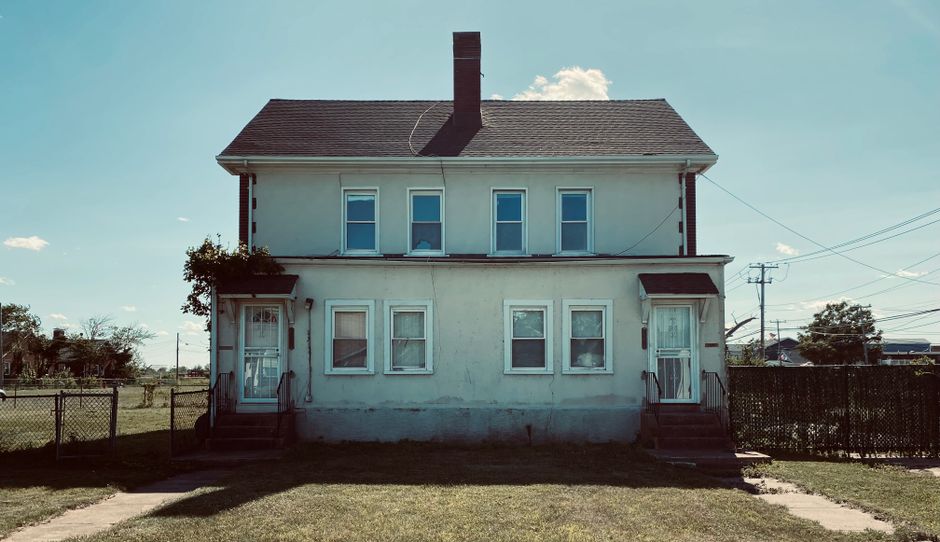
A duplex for sale is basically two separate residential units under one roof or on one property. Each unit typically has its own entrance, kitchen, and living space, so tenants have privacy. You could live in one unit and rent the other out for income, or rent both units and let them pay for your investment.
If you’re thinking about buying a duplex, you’re looking at a solid middle ground between a single-family home and a full apartment building. It’s less management headache than a 10-unit complex, but more income potential than owning just one house. Let’s break down what you need to know before you make an offer.
Why People Buy Duplexes
The biggest draw? Income. If you live in one unit and rent the other, your tenant’s rent can help cover your mortgage, property taxes, and maintenance costs. Some buyers even live mortgage-free because the rental income covers everything.
Another reason is flexibility. You get the benefits of homeownership (building equity, tax deductions) plus the cash flow of being a landlord. And if life changes—you get a job across town, your family grows, you want to relocate—you can keep the property as a rental investment instead of selling.
First-time investors love duplexes because they’re less intimidating than larger multi-unit properties. You’re only managing one or two tenants, not a whole building. Plus, real estate investors remain optimistic about the future, especially in Florida where rental demand stays strong.
What to Look for When Evaluating a Duplex for Sale
Before you call your agent, understand what makes a duplex worth buying.
Unit Specifications
Most duplex listings you’ll see have 5-7 total bedrooms split between two units, and anywhere from 2-4 bathrooms each. Typical square footage runs 2,500-2,700 sqft total. Bigger isn’t always better—a well-designed 2-bed, 1-bath unit can rent faster and for more money per square foot than a 4-bed, 2-bath that’s hard to fill.
Rental Market Data
Before you buy, research what similar units rent for in that neighborhood. Check local rental listings, talk to property managers, and understand the vacancy rates. If a duplex is in an area where rentals sit empty for 3 months at a time, that kills your cash flow math.
Condition and Deferred Maintenance
Get a professional inspection. Look for roof age, HVAC systems, plumbing issues, and foundation cracks. In Florida, also check for water intrusion, mold, and how well the property handles rain. A duplex with two kitchens and two bathrooms means double the maintenance liability if something breaks.
Tenant History
If the property is already rented, ask to see the lease terms, tenant payment history, and any complaints. Are tenants staying long-term or churning every 6 months? Long-term tenants = stability. High turnover = vacancy costs and repeated renovations.
Understanding the Numbers
This is where duplexes get real. You need to calculate whether the property actually works as an investment.
Gross Rental Income
Add up what you can charge for both units. If Unit A rents for $1,400/month and Unit B rents for $1,200/month, your gross annual income is $31,200. But that’s not profit yet.
Operating Expenses
Subtract property taxes, insurance, maintenance reserves (aim for 10-15% of rent), HOA fees if any, utilities you cover, and property management if you hire someone. In Florida, factor in flood insurance and windstorm coverage—they’re not optional in high-risk areas.
Mortgage and Debt Service
Your mortgage payment is the biggest expense. Check current mortgage rates and run the numbers with your lender. A $200,000 mortgage at different rates will swing your monthly payment by $300-400.
Cash-on-Cash Return
Divide your annual net profit by the cash you put down. If you put $50,000 down and the property nets you $8,000 per year after all expenses, that’s a 16% cash-on-cash return. Good duplexes in hot markets often hit 8-12%.
Market Conditions Matter Right Now

In 2026, duplex pricing depends heavily on where you’re buying. Coastal California duplexes and triplexes range from $549,000 to $849,000+, while markets like Maryland have 141 duplexes listed. Florida sits somewhere in between—strong demand, steady appreciation, but not the wild price escalation of the West Coast.
Your mortgage approval matters more than ever. Florida Real Estate Specialist recommends getting pre-approved before you start seriously looking. Sellers want to see you’re serious, and you want to move fast if a good property hits the market.
Buying or selling?

Interest rates and inventory levels are shifting. Before you lock in an offer, monitor what’s happening with rates and talk to your lender about rate locks. A 1% difference in your mortgage rate can mean $200+ per month on a $300,000 loan.
Financing a Duplex Purchase
Duplexes qualify for standard mortgages if you’re owner-occupying one of the units. That means you get better rates and lower down payment requirements (often just 5-10%) compared to full investment properties.
If you’re buying as a pure investment (renting both units), lenders treat it like commercial real estate. You’ll need 20-25% down and your personal credit/debt-to-income ratio matters more. The rental income can help offset the mortgage payment, but lenders are conservative.
Don’t forget about cash reserves. Lenders want to see 3-6 months of the mortgage payment sitting in a bank account after closing. It proves you can handle the property if rental income dips.
Location and Neighborhood Research
A duplex is only as good as where it’s located. A property in a neighborhood with stable employment, good schools, and low crime rents faster and at higher rates than one in a declining area.
Walk the neighborhood at different times of day. Check school ratings, crime statistics, and whether new development is happening nearby. In South Florida, proximity to highways, beaches, and job centers drives both appreciation and rental demand.
Talk to neighbors. They’ll tell you the real story about the area, not what the listing agent says. Is the neighborhood gentrifying or declining? Are other landlords having success with rentals?
Tax Benefits and Liability Considerations
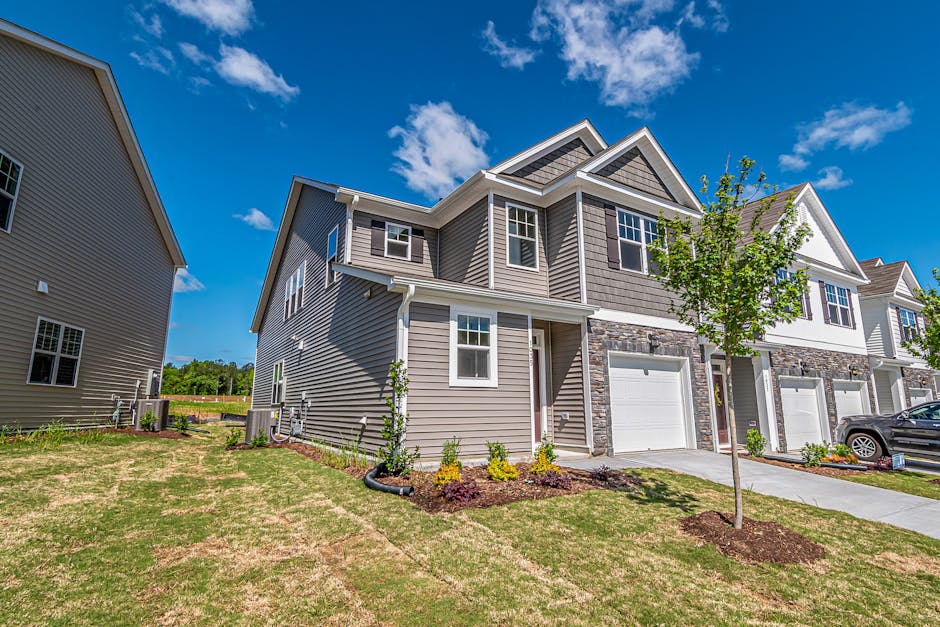
One huge advantage of duplexes: tax deductions. You can deduct mortgage interest, property taxes, insurance, maintenance, utilities, and depreciation. Keep detailed records of every expense.
On the liability side, you’re running a rental business. Get landlord insurance (different from homeowners insurance). Consider an LLC to hold the property—it protects your personal assets if someone gets injured on the property and sues. Talk to a real estate attorney about the best legal structure for your situation.
Working with an Agent to Find the Right Duplex
Not all real estate agents understand investment properties. You want someone who knows the rental market in your target area, understands the numbers, and can spot deals. They should be able to tell you what similar units rent for, occupancy rates, and whether the neighborhood is appreciating.
When you’re ready to start your search, connect with Florida Real Estate Specialist to get matched with an agent who specializes in multi-unit residential properties and investment opportunities across South Florida. You want someone with 10+ years of experience, not a newbie who’s mostly sold single-family homes.
Related: Celebration Florida Homes for Sale: Your Complete Buyer’s Guide
Related: Naples Florida Homes for Sale: Your 2026 Buyer’s Guide
Ask your agent to run comparable sales for duplexes that sold in the last 6 months, not just the ones currently listed. Sold prices tell you what buyers actually paid, not what wishful sellers are asking.
Making Your Offer
Once you find a duplex for sale that fits your criteria, structure your offer carefully. Include an inspection contingency (you need time to hire a pro). Ask about tenant leases and eviction history. Request permission to speak with current tenants or their references.
In a competitive market, you might waive the appraisal contingency to look serious. But never waive inspection. That’s how you catch expensive problems before you’re stuck with them.
Expect negotiations over what gets repaired before closing. If the roof is 18 years old and only rated for 20, the seller might credit you funds at closing instead of replacing it themselves. Get everything in writing.
After You Close: Property Management
Now you own the duplex. You have three choices: manage it yourself, hire a property manager, or consider short-term rental strategies if that makes sense for your market.
Self-managing saves 8-12% in fees, but costs you time and headaches. You’re handling tenant calls at 2 a.m., scheduling repairs, collecting rent, and dealing with evictions if needed. Some people love it. Most burn out.
A good property manager typically costs 8-12% of rent collected. They handle screening, leasing, maintenance coordination, and rent collection. In Florida’s competitive rental market, a pro manager often finds tenants faster and charges more rent than a landlord renting on their own.
People Also Ask
Can you rent out a duplex unit you live in?
Yes. Owner-occupancy in one unit doesn’t prevent you from renting the other. You still get the investor tax benefits and mortgage advantages. Just be transparent with your lender—some require you to occupy the unit for the first year before renting.
What’s the difference between a duplex and a townhouse?
A duplex has two units side-by-side or one above the other, typically sharing one wall. A townhouse is one narrow unit in a row of similar units, all connected. Duplexes are usually simpler to manage because you own the whole building. Townhouses often have HOA fees and shared walls with neighbors who aren’t your tenants.
Is a duplex a good first investment property?
Yes, for many investors. It’s small enough to manage yourself if you want, big enough to generate real cash flow. You get owner-occupancy financing perks, and you’re not responsible for a huge building. Just make sure the numbers work before you buy.
How much money do you need to buy a duplex?
If you’re owner-occupying one unit, as little as 5% down plus closing costs (2-5% of purchase price). If you’re buying as a pure investment, expect 20-25% down. Then add cash reserves—lenders want to see 3-6 months of mortgage payments in savings.
Buying or selling?


