
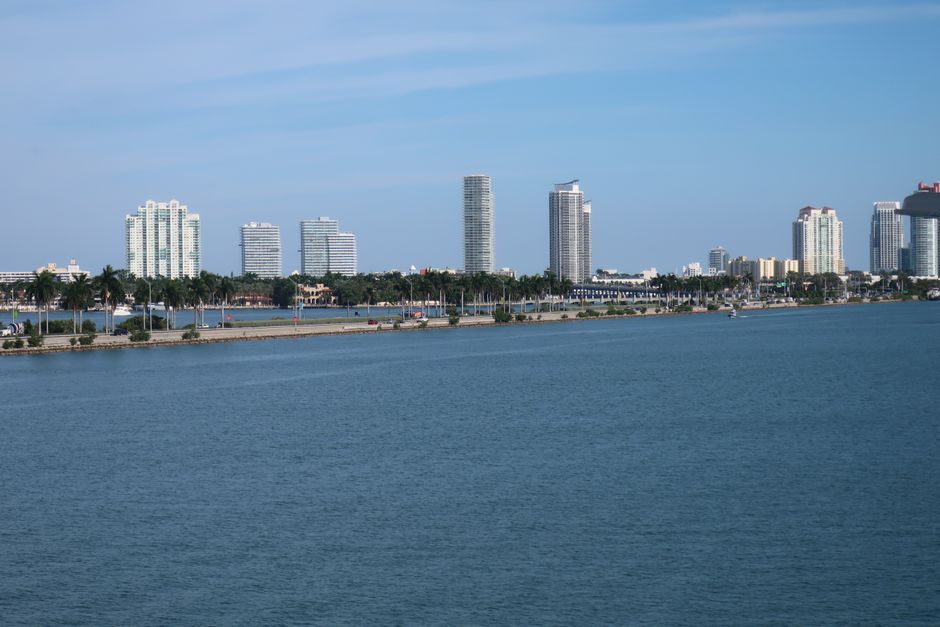
Oceanfront Miami condos are some of the most sought-after properties in South Florida, and for good reason. You get the prestige of Miami living, the daily ocean views, and access to world-class amenities—all wrapped up in a location that doesn’t get old. If you’re thinking about buying an oceanfront condo here, you’ve got genuine options at different price points, different sizes, and different neighborhoods. Let me walk you through what you actually need to know before you start looking.
What’s the Real Price Range for Oceanfront Miami Condos?
Right now, oceanfront Miami condos range anywhere from around $95,000 on the lower end to $550,000 and well beyond for premium units. The average sale price is sitting around $880,065, which tells you there’s a lot of diversity in what’s available.
Related: Miami Off-Plan Condos: Complete Buyer’s Guide for 2026
Related: Miami Real Estate Pre-Construction Opportunities in 2026
Here’s the thing: price depends hard on location within Miami Beach, the size of your unit, what floor you’re on, and what amenities come with the building. A 2-bedroom, 2-bathroom unit around 960 square feet might run you $399,000, while a 4-bedroom, 6-bathroom penthouse-style place at 5,011 square feet could push $550,000 or higher.
The market showed strong momentum in early 2026, with prices climbing about 18.57% from the end of 2025 into the first quarter. That doesn’t mean prices only go up—real estate moves in cycles—but it shows buyer interest remains solid.
How Many Oceanfront Condos Are Actually on the Market?
You’re looking at somewhere between 342 and 448 condos and apartments currently listed for sale in the oceanfront Miami Beach area. That’s a healthy inventory, which means you’re not fighting over scraps. There are actually real choices here.
That range exists because inventory shifts fast. Buildings get new units listed, properties sell, and new ones come on the market weekly. When you’re ready to search seriously, work with someone who updates their listings daily so you don’t miss anything.
Where Are the Best Oceanfront Miami Neighborhoods?
Oceanfront doesn’t mean just one place. Miami Beach has several submarkets worth understanding:
- South Beach: The most famous, highest energy, built-in nightlife and restaurants everywhere. Expect premium pricing.
- Mid-Beach: Between South Beach and North Beach. Quieter, still upscale, good mix of newer and older buildings.
- North Beach: More residential, fewer tourists walking your street, solid family vibe while staying oceanfront.
- Fisher Island: Ultra-luxury, gated, small inventory, ultra-high prices. Separate world.
- Sunny Isles Beach: North of Miami Beach proper, more affordable than South Beach, still oceanfront with a residential feel.
Each neighborhood has its own character and price personality. When you’re narrowing down, think about whether you want the buzz of South Beach or the quieter feel of North Beach or Sunny Isles. Your lifestyle choice matters as much as your budget.
Should You Buy an Oceanfront Miami Condo for Investment?

A lot of people ask whether oceanfront Miami condos make sense as an investment. The short answer: yes, but you need to be realistic about why.
Miami condos, including oceanfront units, are projected to deliver solid returns in 2026 if you’re in it for the medium to long term. The region keeps attracting buyers from across the US and internationally—that demand is real and pretty consistent. Your investment works best if you can hold for a few years and aren’t banking on flipping it in six months.
Where people get in trouble: buying at the peak of a market surge, not understanding condo fees and property taxes, or over-leveraging. Oceanfront condos come with higher HOA fees because the buildings are newer and more amenity-rich. That eats into returns. Factor that into your math before you commit.
If you’re serious about investment potential, get honest analysis of the specific building and neighborhood. Florida Real Estate Specialist can pull comparables and help you see what similar units have actually rented or sold for.
Buying or selling?

What Amenities and Features Matter Most?
When you’re shopping oceanfront Miami condos, don’t just focus on the unit itself. The building and its amenities are huge.
Here’s what serious buyers look for:
- Oceanfront pool and deck—seems obvious, but not all oceanfront buildings have great outdoor space.
- Fitness center, sometimes a full gym and spa.
- Doorman and 24-hour security—this is standard for oceanfront luxury buildings.
- Valet parking or on-site parking—Miami parking can be a headache.
- Concierge services—some buildings treat residents like hotel guests.
- Building age and when the last major renovation happened—this affects long-term maintenance costs.
Higher-end buildings will have rooftop lounges, business centers, wine cellars, movie theaters. Honestly, some of these extras don’t add much to your life—pick what you actually use.
What Should You Actually Check Before Making an Offer?
Once you find a condo you like, don’t skip the due diligence. Here’s your checklist:
- Building financials and special assessments: Ask the seller’s agent or the building management about pending repairs or major expenses. Sometimes a roof or facade is due for work, and that gets passed to owners.
- Condo association rules: Some buildings restrict rentals, have strict pet policies, or limit how often you can renovate. Make sure the building rules work for you.
- Flood and hurricane insurance: Oceanfront means higher insurance premiums. Get actual quotes before you buy.
- Sea level rise and storm surge risk: This is real in Miami. Sites like the National Oceanic and Atmospheric Administration (NOAA) have flood risk maps. Spend 10 minutes checking where your building sits.
- Title search and lien check: Your real estate agent and title company will do this, but make sure nothing’s buried.
- The actual view from your unit: Photos don’t always tell the real story. Visit at different times of day.
How Do You Actually Find and Compare Oceanfront Condos?

Here’s where most people go wrong: they jump on Zillow, see 10 listings, and assume that’s all there is. It’s not.
A real strategy includes:
- Working with a local agent who knows Miami Beach specifically and updates inventory in real time.
- Looking at recent sold comps, not just active listings, so you understand what things actually close for.
- Checking neighborhood trends by submarket—South Beach prices move differently than Sunny Isles.
- Attending open houses to get a feel for buildings and neighborhoods in person.
- Asking about owner-financed deals or pocket listings that never hit the public market.
This is where having a guide who specializes in Miami oceanfront properties saves you time and money. Florida Real Estate Specialist has deep connections in these neighborhoods and can show you what’s realistic for your budget.
Related: Best Miami Skyline View Properties to Buy in 2026
What Are Common Mistakes Oceanfront Condo Buyers Make?
After years in Miami real estate, I see patterns:
- Underestimating total costs: Property tax, insurance, HOA fees, and maintenance can run high. Add them all up before you commit.
- Ignoring the building condition: A beautiful unit in a poorly-maintained building is a trap. The building is your real investment.
- Falling for the view alone: Oceanfront is amazing, but if the neighborhood isn’t right for you, you’ll regret it.
- Not negotiating: Just because a condo is listed doesn’t mean that’s the final price. In many cases, there’s room to negotiate, especially if a unit’s been sitting.
- Skipping the inspection: Get a professional home inspector, even for a condo. They’ll spot issues you miss.
Is Now a Good Time to Buy Oceanfront Miami Condos?
That’s the question everyone wants answered, and it depends on your timeline.
If you’re buying to live in Miami and you love the oceanfront lifestyle, timing is less important. You’re making a life choice. Buy when you’re ready, and don’t try to time the market.
If you’re investing, you want to understand where you are in the cycle. Prices jumped 18.57% from late 2025 to early 2026, which is solid but not wild. That suggests the market’s moving up but isn’t overheated. Inventory at 342-448 units is balanced—not a fire sale, not a shortage. That’s healthy.
The real question is whether you can afford the carrying costs if the market softens. If yes, the long-term outlook for Miami oceanfront real estate is strong. If no, wait until your cash position is better.
How Do You Get Professional Help Without Getting Sold?
The best oceanfront Miami condo purchases happen when you have someone in your corner who actually knows the market, not someone just trying to close a deal and move on.
When you talk to an agent or consultant, listen for these signs:
- They ask about your actual needs, not just your budget.
- They’re willing to tell you when something isn’t a good fit for you.
- They explain building financials and risk factors, not just the pretty parts.
- They have specific knowledge about individual neighborhoods and buildings, not generic real estate talk.
- They can show you recent sales data and explain what you’re actually paying for.
That’s the difference between being sold something and being guided toward a good choice. When you’re ready to explore oceanfront Miami condos seriously, having that kind of partnership makes everything easier. Florida Real Estate Specialist specializes in this exact market and can give you the straight story.
Wrapping Up Your Oceanfront Miami Condo Search
Oceanfront Miami condos are real opportunities if you go in with clear eyes about price, location, building quality, and total costs. The market’s healthy right now—good inventory, strong buyer interest, and genuine options at multiple price points.
Your next step: decide which neighborhood actually fits your life, get real numbers on what similar units cost, and connect with someone who knows these buildings inside and out. The difference between a rushed purchase and a smart one is usually just taking time to understand what you’re really buying.
What’s the average HOA fee for oceanfront Miami condos?
HOA fees for oceanfront buildings typically range from $800 to $2,500+ per month, depending on the building’s age, amenities, and condition. Newer buildings with pools, gyms, and concierge service run higher. Always ask the seller’s agent for the exact fee and check the building’s financial statements to see if special assessments are planned.
Can you rent out an oceanfront Miami condo after you buy it?
Sometimes. Some buildings allow short-term rentals, others don’t. Some require owner occupancy for part of the year or cap how many months you can rent annually. This varies building by building, so always check the condo documents before you buy. If rental income is your plan, confirm the building allows it.
What’s the difference between a condo and an apartment in oceanfront Miami?
In Miami real estate terms, condos are individually owned units in a building with shared common areas. Apartments are typically rentals. When you buy an oceanfront condo, you own the unit and pay HOA fees for building upkeep. You get more control than renting but less freedom than owning a single-family home.
How much should I budget for property taxes on an oceanfront Miami condo?
Property taxes in Miami-Dade County are roughly 0.86% of assessed value annually, though rates vary by location within the county. On an $880,000 oceanfront condo, you’re looking at around $7,500+ per year in property taxes. Add insurance, HOA fees, and maintenance reserves to get your true carrying cost.
Buying or selling?


