
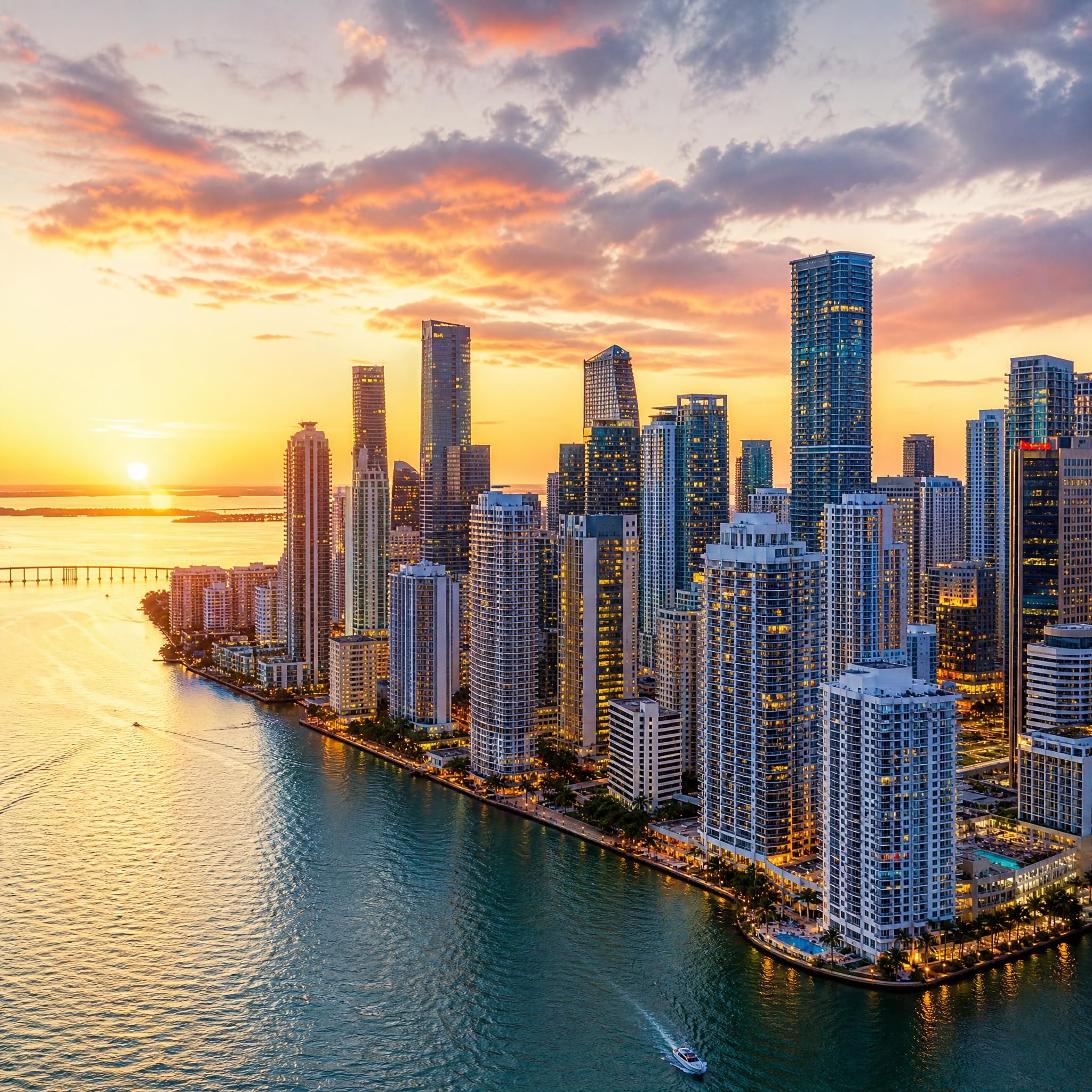
You've made the decision. Miami's skyline is calling, and a brand-new luxury residence — floor-to-ceiling glass, private elevator, rooftop pool with city views — is the vision. But between that dream and the keys in your hand lies a process that rewards preparation and punishes shortcuts.
The Miami luxury new construction market in 2026 is unlike any other in the country. The Miami metro has officially surpassed New York as the city with the largest inventory of million-dollar homes, boasting over 10,500 active million-dollar listings. With 66 active luxury developments composing Miami's pre-construction pipeline, representing more than $5 billion in combined inventory across Brickell, Edgewater, Miami Beach, Coconut Grove, the Design District, and Downtown Miami, the opportunity is extraordinary — but so is the complexity.
This guide cuts through the developer marketing and gives you the practical, step-by-step strategies you need to buy the right new construction luxury home in Miami in 2026.
Table of contents
- Understanding the 2026 Market Before You Shop
- Strategy 1: Get Pre-Qualified Before Visiting a Single Sales Gallery
- Strategy 2: Master the Pre-Construction Deposit Structure
- Strategy 3: Vet the Developer — Not Just the Building
- Strategy 4: Choose Your Neighborhood with Investment Logic
- Strategy 5: Decode HOA Fees and Carrying Costs
- Strategy 6: Never Walk Into a Sales Gallery Without a Buyer's Agent
- Strategy 7: Build Your Investment Case from Day One
- Key Statistics
- FAQ
Understanding the 2026 market before you shop
Before executing any strategy, you need to understand the market reality — because it shapes every decision you'll make.
Miami's luxury real estate market entered 2026 with growing momentum: the region recorded 3,382 million-dollar transactions in Q1 2026, representing a 22% increase compared with the same period in 2025. Within that surge, sales of million-dollar condominiums and townhomes rose by 24%.
But here's the nuance that separates sophisticated buyers from reactive ones: the Miami luxury market in 2026 is no longer a single market, but two distinct systems operating side by side — a scarcity-driven luxury segment where limited inventory, global wealth migration, and cash buyers continue to push pricing higher, and a more supply-heavy, financing-sensitive segment where condos and mid-tier properties are reacting to interest rates and new development.
Cash purchases continue to dominate the landscape, accounting for 44% of all January closings in Miami-Dade, compared to roughly 27% nationally. This insulates the luxury market from mortgage rate fluctuations — but it also means you're competing with well-capitalized buyers who can move fast.
The smart move: know exactly which of these two markets you're entering before you make a single offer.
Strategy 1: get pre-qualified before visiting a single sales gallery
This is the step most buyers skip — and the one that costs them the most.
If you're planning to buy a condo in Miami in 2026, you're entering a market unlike any other in the country. Beyond choosing the right floor plan or neighborhood, buyers must navigate condo association rules, reserve funding requirements, financing challenges, and building-specific regulations that can dramatically impact ownership costs and long-term value.
Before you tour a single model unit, lock in your financing position. For luxury new construction, your loan options include:
Conforming Loans (available up to current conforming loan limits), Jumbo Loans (commonly used for luxury condominium purchases), Super Jumbo Financing (available for high-end luxury residences), Foreign National Programs (designed for international buyers), DSCR Loans (popular among investors purchasing rental properties), and Pre-Construction Financing (which typically requires staged deposits prior to completion).
Why this matters for new construction specifically: Pre-construction lenders don't fund until you receive a Certificate of Occupancy — often 3 to 5 years away. Your mortgage approval today is essentially a commitment letter for a future close. Rates will change. Your income profile may change. Locking in your strategy now with a lender who specializes in Miami luxury pre-construction is non-negotiable.
Pro Tip: For international buyers, Foreign National Programs are widely available in Miami given the city's global buyer base — but documentation requirements are strict. Assemble your financial package (tax returns, bank statements, proof of funds) before your first developer meeting.
Strategy 2: master the pre-construction deposit structure
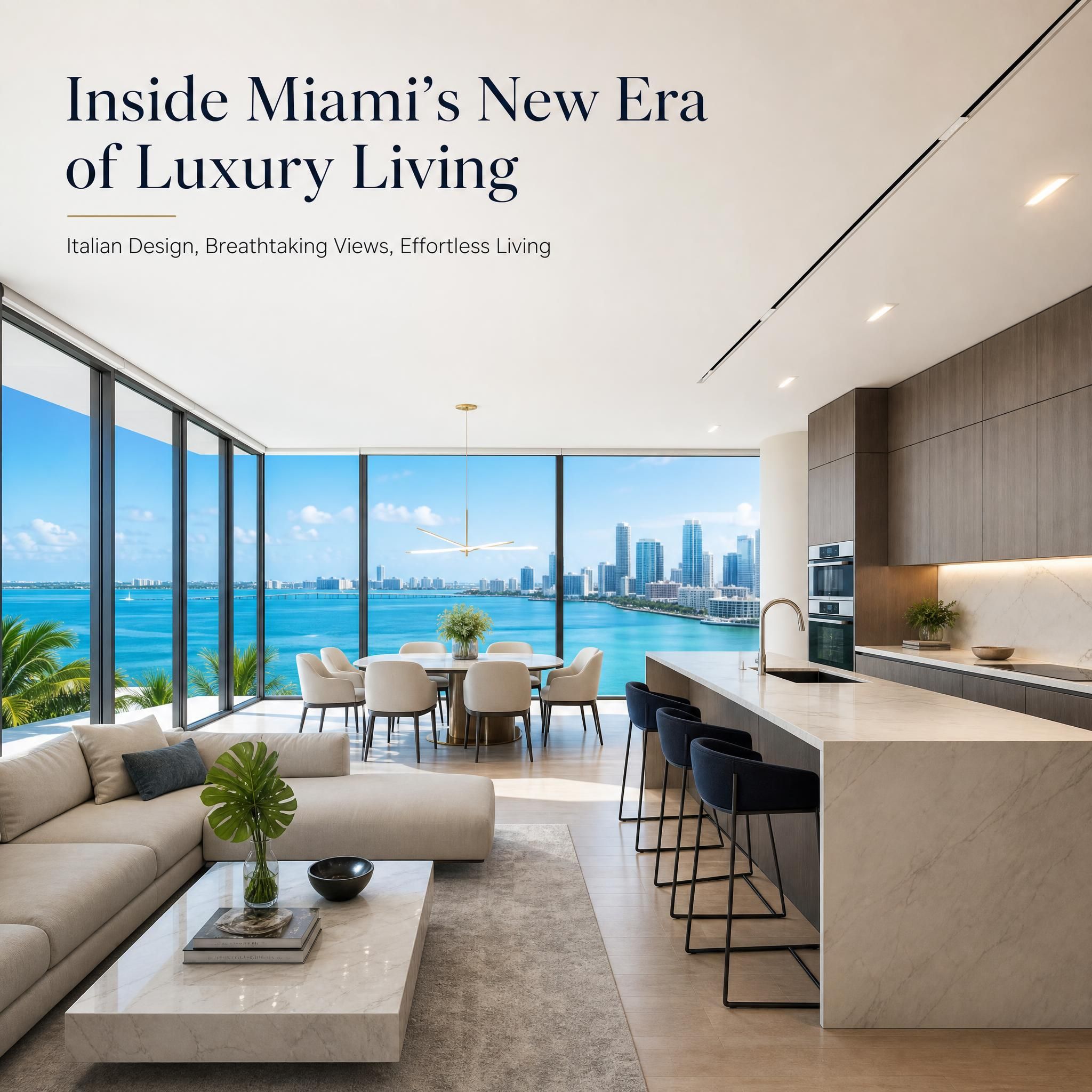
Understanding the deposit timeline is the single most important financial skill for buying new construction luxury condos in Miami. Get this wrong, and you can find yourself in a liquidity crisis mid-construction.
Most luxury pre-construction towers in Miami ask buyers to place roughly 30–50% of the purchase price in deposits before closing, spread across reservation, contract, groundbreaking, top-off, and a final pre-closing installment. The remaining 50–70% is paid at closing, often with a mortgage or a mix of cash and financing.
Here's what a typical luxury deposit schedule looks like:
| Milestone | Typical Deposit | Notes |
|---|---|---|
| Reservation | $50K–$100K | Secures your unit; often refundable |
| Contract Execution | 10% of purchase price | First hard deposit |
| Groundbreaking | 10% of purchase price | Nonrefundable milestone |
| Halfway Construction | 10% of purchase price | Building progress trigger |
| Top-Off | 10% of purchase price | Structure complete |
| Closing | Balance (50–70%) | Mortgage funds here |
In Florida, the first 10% of deposits on a pre-construction condominium purchase is typically held in a dedicated escrow account and cannot be released to the developer until certain conditions are met. Beyond that threshold, additional deposits may be available to fund construction if the contract clearly discloses how those funds will be used.
Your action items:
- Map each deposit date against your liquidity calendar — not your projected liquidity, your current liquidity
- Confirm whether deposits are in independent escrow and whether they earn interest
- Clarify the exact refund policy if the developer defaults or delays beyond contractual limits
- Understand that high-rise delivery timelines in Miami often range from about 18 to 48 months from contract, depending on scope and permitting, and delays are common — build buffer into your timeline
Strategy 3: vet the developer — not just the building
The renderings are always spectacular. The amenity lists read like five-star resort brochures. But the most important question isn't what a building will look like — it's whether the developer has the track record and financial strength to actually deliver it.
Study the developer's completed buildings for quality, delivery timelines, and warranty performance. Review public records for corporate status and any reported liens or litigation. A developer with a strong balance sheet and proven local delivery reduces risk of delays and protects your deposit with better structures.
Here's a practical developer vetting checklist:
- Completed projects: Visit buildings the developer has already delivered. Talk to residents. Look at the quality of finishes, common areas, and mechanical systems.
- Delivery history: Did they deliver on time? If not, by how much? One or two quarters late is normal. Two years late is a red flag.
- Financial backing: Who is financing the construction? JLL secured over $565M in construction financing for an ultra-luxury condominium tower in Miami — institutional construction financing at that scale signals serious developer credibility.
- General contractor and architect: Experienced general contractors and architects who know Miami's building codes can improve execution and storm resilience.
- Post-delivery management: Ask who will manage the property after completion. Strong management helps control operating costs and supports resale value.
Red flag to watch: Developers who rush to launch sales before securing full construction financing. In Miami's 2026 market, the strongest projects — like the Mandarin Oriental Residences Brickell, which set a new pricing record with penthouses at $49.9 million each — are backed by institutional capital and established operators.
Strategy 4: choose your neighborhood with investment logic
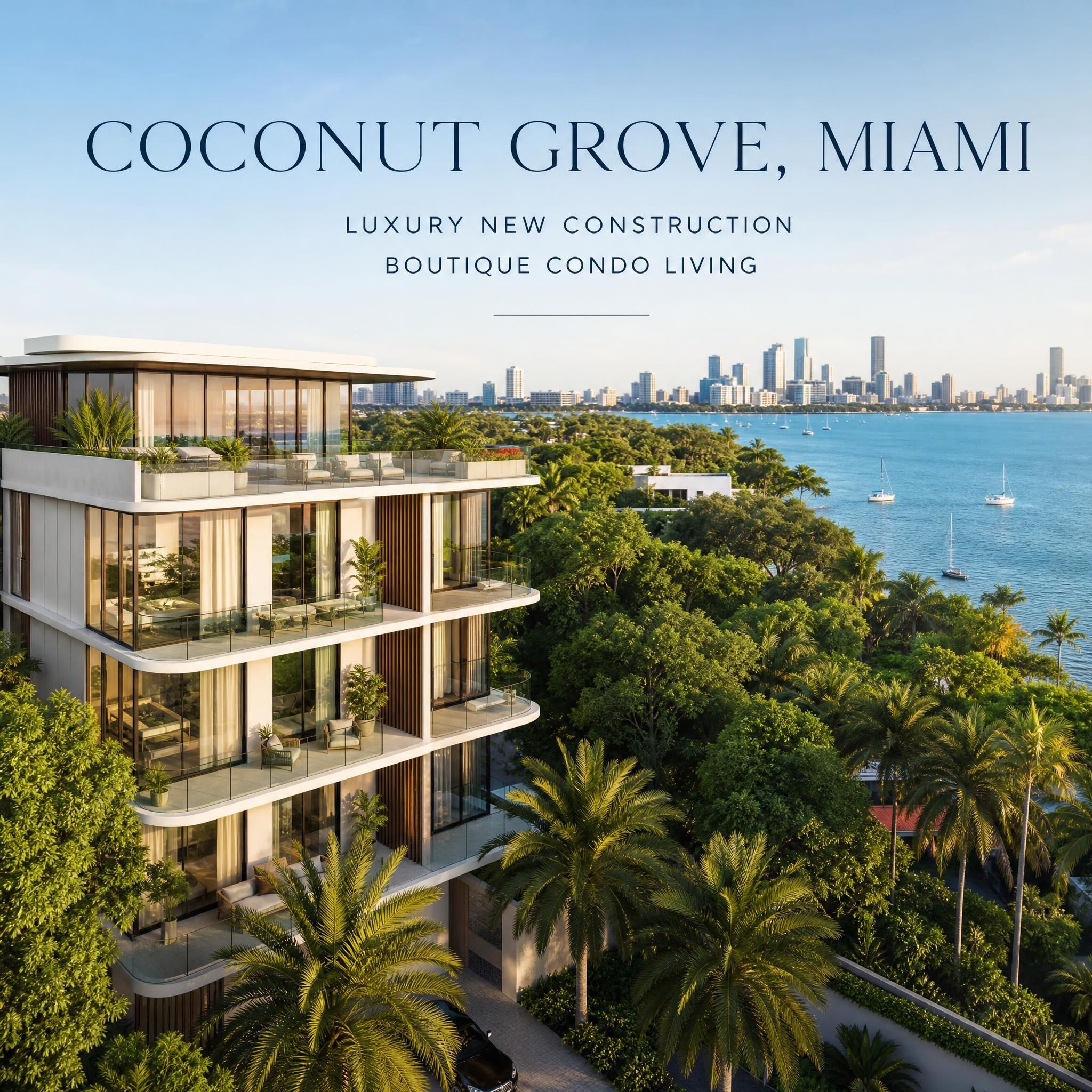
Miami's luxury neighborhoods are not interchangeable. Each has a distinct buyer profile, price trajectory, and investment thesis. Here's how to match your goals to the right micro-market:
Brickell: urban yield and liquidity
Brickell remains one of Miami's most expensive condo neighborhoods, with median prices approaching $790,000, supported by full-service luxury towers, walkability, and proximity to the financial district. For investors, Brickell high-rise condos can command $6,000–$15,000 per month in rent, with gross yields of 4.0–5.0% and occupancy rates of 80–90%. New launches like the 74-story 619 Brickell (Nobu-branded, 300 units) and the St. Regis Residences Brickell (delivering 2027) represent the neighborhood's next chapter.
Coconut grove: boutique appreciation play
Coconut Grove is entering a new era defined by a seamless blend of lush, tropical surroundings and refined, modern luxury. In 2026, demand for new condos in Coconut Grove continues to accelerate, fueled by top-rated schools, a pedestrian-friendly village center, and proximity to waterfront parks and marinas. The Four Seasons Private Residences Coconut Grove and THE WELL Coconut Grove (both delivering 2028) are among the most anticipated launches.
Edgewater: waterfront value with upside
A $43M development site trade in Edgewater in June 2026 signals continued institutional confidence in this bayfront corridor. With newer construction stock and bayfront living at price points below Miami Beach, Edgewater features newer high-rises and mixed condo inventory, with HOA fees that can be elevated in amenity-rich buildings. Projects like Villa Miami and Aria Reserve North Tower are delivering in 2026.
Miami beach: trophy asset positioning
Luxury condos on Miami Beach command $8,000–$25,000 per month in rent, with gross yields of 3.5–4.5% and occupancy rates of 70–85%. The Perigon (mid-Beach, topped off in March 2026) and the Shore Club Private Residences represent the current generation of ultra-luxury oceanfront product.
| Neighborhood | Best For | Price Range | Typical Gross Yield |
|---|---|---|---|
| Brickell | Rental income, liquidity | $600K–$3M+ | 4.0–5.0% |
| Coconut Grove | Long-term appreciation, families | $2M–$20M | 3.0–4.0% |
| Edgewater | Bayfront value, upside | $800K–$3M | 3.5–4.5% |
| Miami Beach | Trophy assets, short-term rentals | $1M–$20M+ | 3.5–5.0% |
| Sunny Isles | International buyers, luxury towers | $1M–$5M | 4.0–5.0% |
📊 +22% million-dollar transactions in Q1 2026 vs. Q1 2025 – Miami Luxury Sales Surge
Strategy 5: decode HOA fees and carrying costs
This is where deals that looked perfect on paper fall apart. Miami's new construction luxury condos carry HOA fees that can shock buyers relocating from other markets — and in 2026, those fees are higher than ever.
HOA fees in luxury buildings can exceed $2,000 per month. Add property taxes (approximately 2% of value annually), insurance, and any special assessments, and carrying costs can approach 3–4% of property value per year.
For branded residences — Four Seasons, Ritz-Carlton, Aman, Fendi, Bulgari, Armani Casa — HOA fees run $3–6 per square foot per month and deliver hotel-grade service, stronger resale liquidity, and more predictable pricing during downturns. A 2,000-square-foot unit at a Four Seasons or Aman building can carry $10,000–$12,000 monthly in HOA alone.
The documents you must request before signing anything:
- Reserve study — Does the building have adequate reserves for future capital expenditures?
- Most recent budget — Are fees rising? By how much year-over-year?
- Last 12 months of meeting minutes — What issues has the board been discussing?
- Pending special assessments — Any upcoming one-time charges?
- Delinquency rate — Florida law allows associations to disclose the percentage of units more than 90 days delinquent. If it's above 5–7%, the responsible owners are subsidizing the non-paying ones, and that imbalance shows up eventually in fee increases or special assessments.
- Milestone inspection status — Buildings on or near the coast now face structural milestone inspections at 25 years (within three miles of the coast) or 30 years further inland under SB 4-D, with re-inspections every 10 years thereafter. Know where your building stands.
The total cost formula: Purchase price × 3–4% annually = estimated carrying costs. Model this before you fall in love with a unit.
📊 Combined carrying costs now equal or exceed the mortgage payment on Miami condos under $1M – Miami HOA + Insurance + Taxes
Strategy 6: never walk into a sales gallery without a buyer's agent
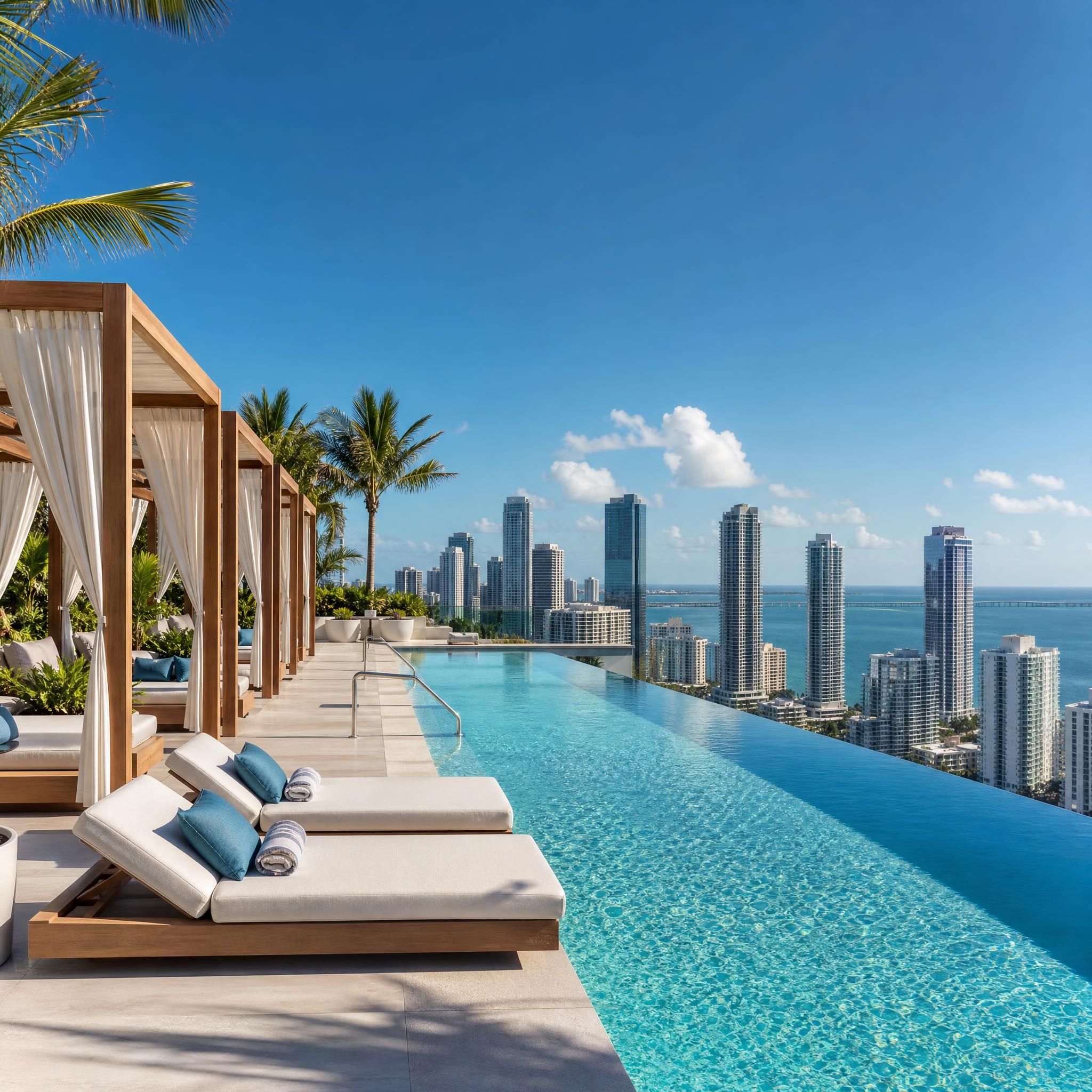
This is one of the most expensive mistakes luxury buyers make in Miami — and it's entirely avoidable.
Developer salespeople work for the developer, not you. Buyers who go directly miss objective analysis, comparative options, and often pay more. Your buyer's agent typically costs you nothing in pre-construction deals — the developer has already built the commission into their pricing.
A skilled luxury buyer's agent in Miami provides:
- Access to priority pricing: Developers release units in phases — Friends & Family pricing, then broker pricing, then public launch. Buyers can register on priority lists through developers or experienced buyer's agents to receive early access and first-pick pricing.
- Objective building comparisons: An independent agent can show you why Building A at $1,200/sq ft is a better investment than Building B at $950/sq ft — or vice versa.
- Contract negotiation expertise: Developer contracts are written to protect the developer. An experienced agent knows which clauses are negotiable and which are standard.
- Off-market access: Top agents with deep developer relationships can surface inventory before it hits the public market.
What to look for in a Miami luxury buyer's agent:
- Minimum 5 years of Miami luxury market experience
- Demonstrable pre-construction transaction history
- Relationships with the specific developers you're targeting
- No conflicts of interest (not also representing the developer)
Strategy 7: build your investment case from day one
Whether you're buying a primary residence or a pure investment, every luxury new construction purchase in Miami should be underwritten as an investment. Here's how to build your case:
Appreciation Baseline: Miami-Dade luxury home prices have appreciated 40–60% since 2020, driven by domestic migration from New York, California, and Illinois, and international capital from Latin America and Europe. Long-term, annual appreciation of 3–6% combined with rental income of 2.5–5% gross yield produces total returns of 5.5–11% annually.
The Tax Advantage: Florida has no state income tax. For a high-net-worth investor earning $500K+, this saves $25,000–$50,000+ annually compared to New York (10.9%) or California (13.3%). This single factor has driven a sustained wealth migration that supports property values.
Rental Strategy: Decide before you buy whether you'll pursue short-term or long-term rentals — because the building you choose must match your strategy. Unlike New York City with strict Airbnb regulations or many Los Angeles neighborhoods with permit requirements, Miami-Dade allows short-term rentals in most areas, giving investors the flexibility to switch between long-term tenants and short-term vacation rentals depending on market conditions. However, check building-specific HOA rules, as many luxury towers restrict short-term rentals.
International Demand Tailwind: Colombian luxury buyers are snapping up South Florida homes in search of a real estate safety net — and they're far from alone. Latin American buyers are increasingly purchasing new Brickell condos as rental investments, creating sustained demand that underpins both rental rates and resale values.
📊 Miami luxury rental yields of 4.5–6.0% outperform NYC (2.5–3.5%), LA (3.0–4.0%), and SF (2.5–3.5%) – Miami Rental Yields vs. Peers
Chiffres clés
📊 +22% increase in million-dollar property transactions in South Florida in Q1 2026 vs. Q1 2025 (Source: South Florida Luxury Market Report Q1 2026)
🏙️ 66 active luxury developments in Miami's pre-construction pipeline, representing over $5 billion in combined inventory (Source: Manhattan Miami, 2026)
💰 3–4% annually — total carrying costs (HOA + taxes + insurance) as a percentage of property value for Miami luxury condos (Source: Manhattan Miami Luxury Buying Guide 2026)
🌎 44% of Miami-Dade closings are all-cash purchases, vs. 27% nationally — insulating the luxury market from rate volatility (Source: Ivan & Mike Team, Miami Market Trends 2026)
Questions fréquentes (FAQ)
How much deposit do i need for a new construction luxury condo in miami?
Most luxury pre-construction towers in Miami require buyers to place roughly 30–50% of the purchase price in deposits before closing, spread across reservation, contract, groundbreaking, top-off, and a final pre-closing installment. A common structure is 10% at each of four milestones, totaling 40% pre-closing. The remaining balance is due at closing when financing is arranged.
What are the biggest mistakes luxury buyers make when purchasing new construction in miami?
The top mistakes include: going directly to developer sales galleries without independent representation, underestimating carrying costs (HOA + taxes + insurance can approach 3–4% of value annually), failing to review reserve studies and milestone inspection reports, and not aligning the deposit schedule with their actual liquidity calendar. HOA fees in luxury buildings can exceed $2,000 per month — model your total monthly cost before committing.
How long does it take to close on a new construction luxury condo in miami?
High-rise delivery timelines in Miami often range from about 18 to 48 months from contract, depending on scope and permitting, and delays are common. Iconic towers with complex construction can extend beyond that. Plan your financing, tax, and relocation timeline accordingly, and never assume a fixed penalty for late delivery unless the contract explicitly includes it.
Which miami neighborhoods offer the best ROI for luxury new construction?
It depends on your strategy. Brickell high-rise condos offer gross yields of 4.0–5.0% with occupancy rates of 80–90%, making them strong for rental income. Coconut Grove offers lower yields but stronger long-term appreciation and family lifestyle appeal. Miami Beach commands premium rents for short-term rentals but carries higher entry costs and stricter regulations in some buildings.
Can international buyers purchase new construction luxury condos in miami?
Absolutely. Miami is one of the most internationally accessible luxury markets in the world. Foreign National loan programs are widely available, and Florida imposes no state income tax — a major advantage for international investors. Buyers from Colombia, Latin America, and Europe are actively purchasing South Florida luxury properties as both lifestyle assets and wealth preservation vehicles.
Conclusion: the miami luxury market rewards the prepared
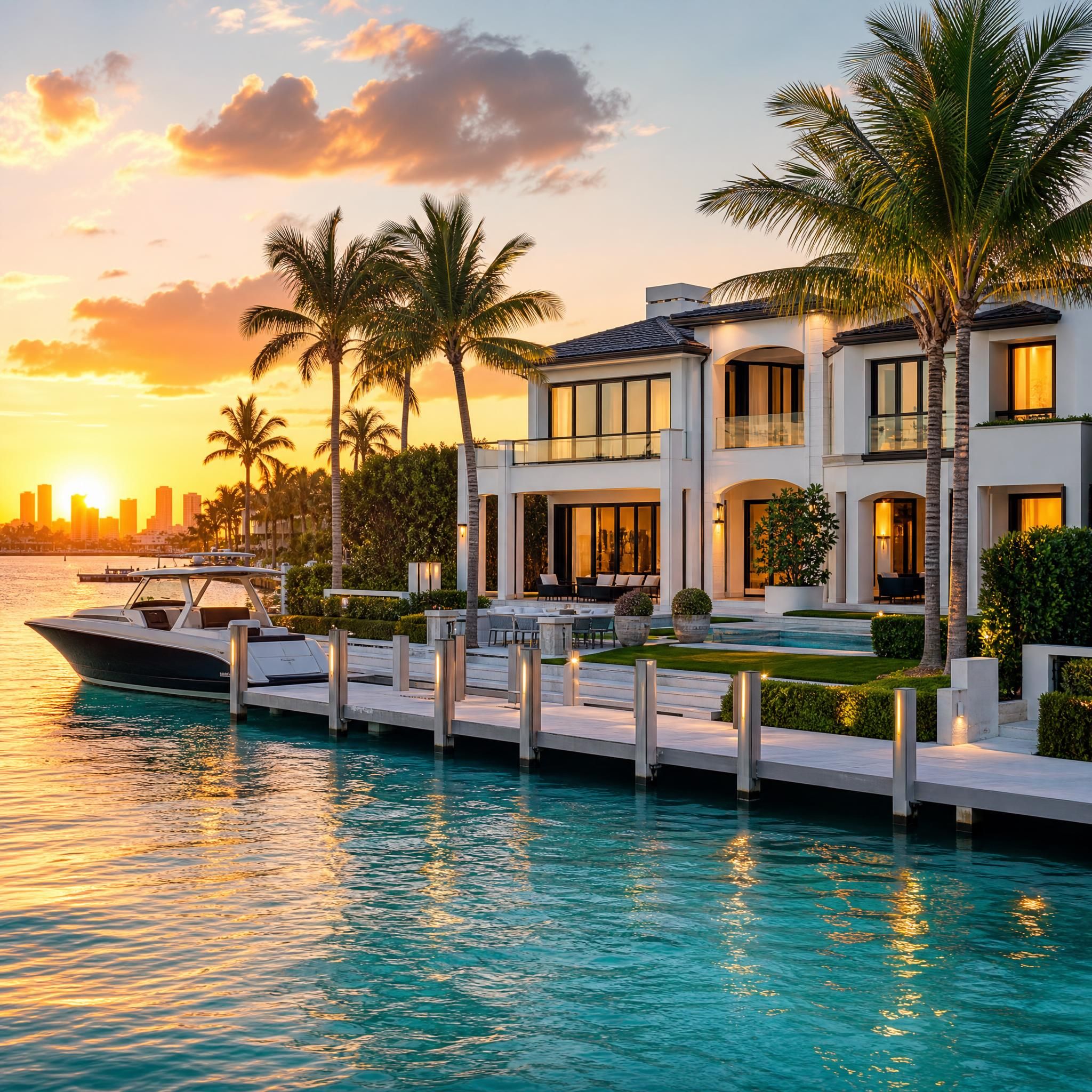
The opportunity in Miami's new construction luxury market in 2026 is real, substantial, and — for the right buyer — genuinely compelling. More than 10,500 million-dollar listings. A 22% surge in luxury transactions. Sixty-six active developments spanning Brickell to Coconut Grove, Edgewater to Miami Beach.
But the buyers who thrive in this market are not the ones who move fastest. They're the ones who move smartest — who secure financing before touring sales galleries, who understand deposit schedules before signing contracts, who vet developers with the same rigor they'd apply to any major investment, and who model carrying costs before falling in love with a floor plan.
The seven strategies in this guide are your framework. Pre-qualify first. Master the deposit timeline. Vet the developer. Choose your neighborhood with investment logic. Decode the HOA. Bring independent representation. Build your investment case from day one.
Your Miami luxury residence awaits — and with the right preparation, the path from vision to keys is clearer than you think.
Ready to take the next step? Schedule a private consultation with our Miami luxury new construction specialists to access priority pricing on the market's most sought-after developments, receive an exclusive Miami Luxury Market Report, and view our curated collection of new construction properties across Brickell, Coconut Grove, Edgewater, and Miami Beach.
"South Florida recorded 3,382 million-dollar transactions in Q1 2026, a 22% increase year-over-year"
— South Florida Luxury Market Report Q1 2026
"Miami's pre-construction pipeline includes 66 active luxury developments representing over $5B in combined inventory"
— Manhattan Miami Pre-Construction Intelligence


