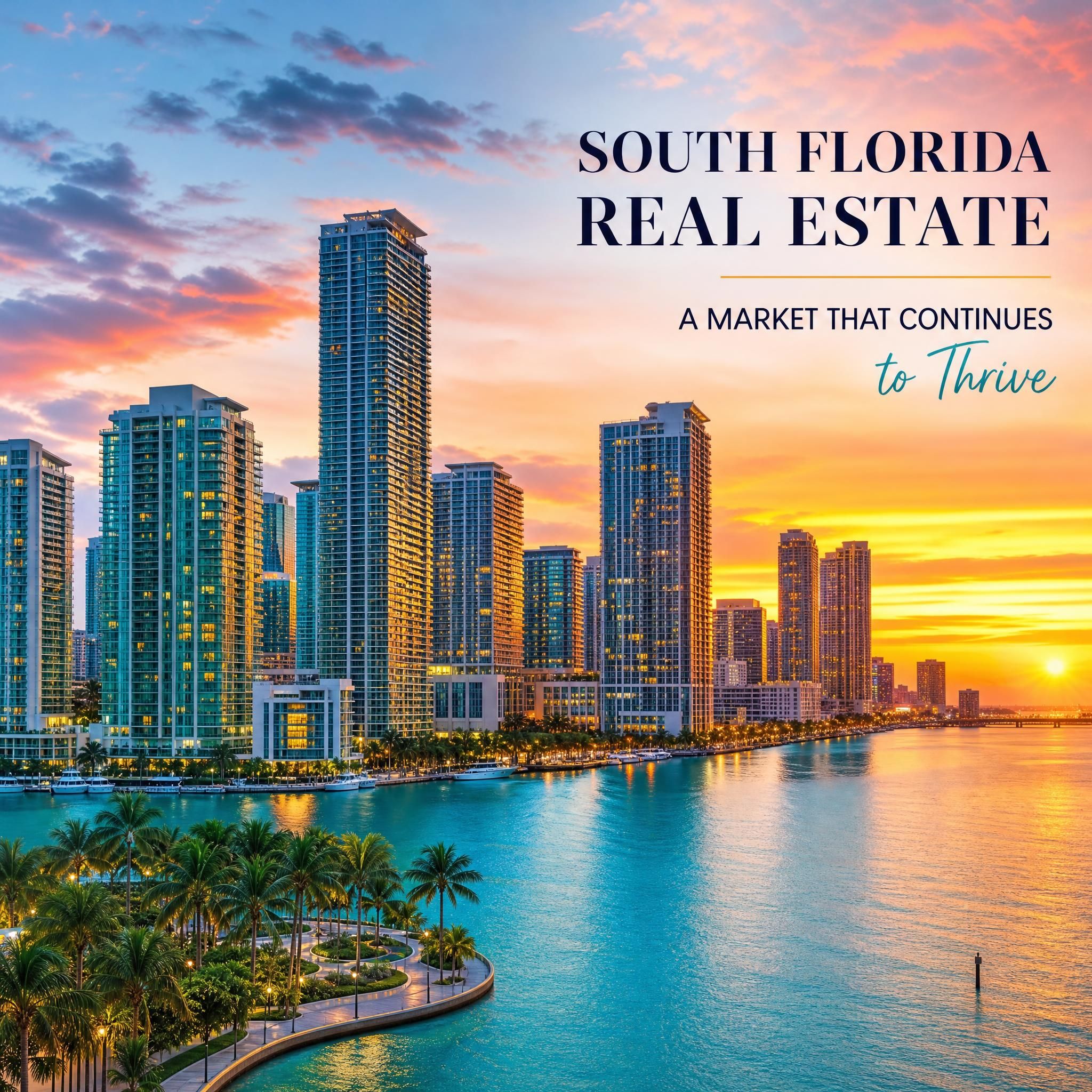
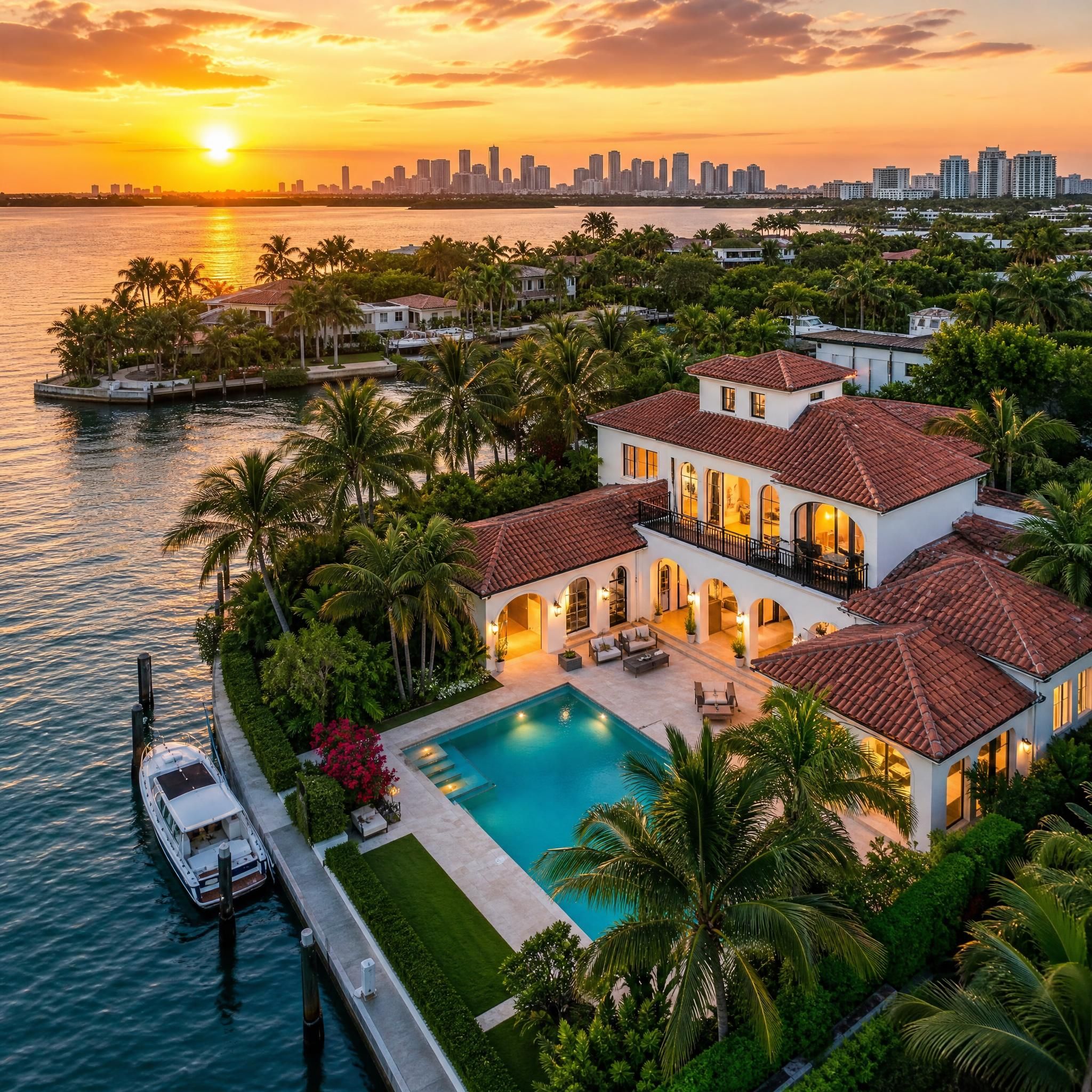
What does it actually take to sell a property in South Florida's complex 2026 market — and walk away with the best possible outcome? Not theory. Not checklists. Real results.
This article goes behind the closing table to examine four real-world seller scenarios across Miami-Dade and Broward Counties. Each case study highlights a different seller type, a distinct challenge, and the specific strategy that turned a listing into a successful sale. Whether you own a luxury estate in Coral Gables, a family home in Pembroke Pines, an inherited property in Miami-Dade, or an investment rental in Fort Lauderdale, there's a story here that mirrors your situation — and a lesson you can apply directly.
Ready to sell? Schedule your free consultation today and get a professional market analysis for your Miami-Dade or Broward property.
Table of contents
- The 2026 South Florida Market: Setting the Stage
- Case Study 1: The Coral Gables Luxury Estate
- Case Study 2: The Broward County Family Home
- Case Study 3: The Inherited Miami-Dade Property
- Case Study 4: The Investor Exit in Fort Lauderdale
- Key Lessons Across All Four Sales
- Chiffres Clés
- Questions Fréquentes (FAQ)
- Conclusion
The 2026 south florida market: setting the stage
Before diving into the case studies, context matters. In Miami-Dade County, single-family home sales went up more than 5% year-over-year, while in Broward County, sales went up more than 14%. These aren't modest gains — they represent real momentum for sellers who position themselves correctly.
For all categories combined, home sales across South Florida are up 7% year-over-year, with average sale prices increasing 13.3% overall to $949,327 compared to $837,614 in March 2025.
The luxury segment tells an even more compelling story. Single-family home transactions rose 10.6%, while sales of Miami properties priced at $5 million and above climbed 27% from a year earlier. Meanwhile, the Miami metro has officially surpassed New York by the end of 2025, boasting 10,513 active million-dollar listings — and more than 1 in 5 listings in Miami are now priced above $1 million.
But market-wide data only tells part of the story. The real lessons live in the individual transactions.
📊 +7% year-over-year, average price up 13.3% to $949,327 – South Florida Home Sales Growth
Case study 1: the coral gables luxury estate — sold in under 24 hours
Property type: Luxury single-family estate
Location: Coral Gables, Miami-Dade County
Situation: Downsizing seller, estate valued at $21.5M
The challenge
Coral Gables is one of Miami-Dade's most prestigious ZIP codes, but prestige alone doesn't close deals. As of April 30, 2026, the average home value in Coral Gables sits at $1,530,987, with homes going to pending in about 68 days and a median list price of $1,556,833. At the $21M+ tier, the buyer pool narrows dramatically — and a single mispriced week can cost a seller millions in perceived value.
The strategy
The listing agent — a specialist in Miami-Dade luxury representation — executed a three-part pre-launch strategy:
- Off-market buyer cultivation: The property was quietly shown to a curated list of pre-qualified buyers before the public listing went live, creating urgency and exclusivity.
- Staging for the international buyer: South Florida's luxury market is heavily driven by global capital. A weaker U.S. dollar motivated international buyers and helped accelerate momentum in Miami's luxury condo and single-family market through Q1 2026. The staging was designed to appeal to European and Latin American sensibilities — clean lines, art-forward presentation, and an emphasis on indoor-outdoor living.
- Precision pricing anchored to recent comps: Rather than aspirational pricing, the agent used a Comparative Market Analysis (CMA) tied to closed transactions within the prior 90 days in the Coral Gables and Coconut Grove luxury corridor.
The result
The $21.5M estate sold in under three weeks at near-full asking price in Coral Gables Q1 2026. The deal was structured with a cash buyer — consistent with the broader luxury trend: nearly 67% of luxury property sales ($1M+) in Southeast Florida were completed via cash in 2026.
Key takeaway: In the luxury segment, pre-marketing to the right audience matters more than broad MLS exposure. The right real estate agent South Florida sellers hire for high-end properties should have an active network of qualified buyers — not just a listing syndication strategy.
Case study 2: the broward county family home — priced right, sold fast
Property type: Single-family primary residence
Location: Pembroke Pines / Fort Lauderdale corridor, Broward County
Situation: Family seller with a school-year moving deadline
The challenge
This is the most common scenario agents encounter across Broward County: a family needs to sell by a specific date, and every extra week on the market creates financial and logistical pressure. Single-family home inventory in Pembroke Pines fell 23% year-over-year, while sales rose 2% — creating a quiet seller's market most homeowners don't realize they're sitting in. The median single-family price in Pembroke Pines reached $668,000, above Broward County's $620,000 median.
But tight inventory doesn't automatically mean easy sales. Homes are taking approximately 92 days to sell in Broward versus 85 a year ago — meaning presentation, pricing, and exposure now decide who wins.
The strategy
The sellers worked with a local agent to build a CMA anchored to recent closed sales within a half-mile radius. The strategy: price at the lower end of the comparable range to generate immediate showing activity in the critical first 14–21 days on market.
The agent also coordinated:
- Professional photography and a Matterport 3D tour to maximize digital exposure
- A targeted social media ad campaign reaching buyers actively searching in the Pembroke Pines and Cooper City zip codes
- Flexible showing windows, including early evening slots to accommodate working buyers
The result
The median percent of original list price received for single-family homes in Broward was 95% in March 2026, and the median number of days between listing and contract dates for single-family home sales was 44 days. This seller's home went under contract in 31 days — 13 days faster than the county median — and closed at 97% of list price.
Broward total dollar volume increased 5.53% year-over-year in March 2026 to $1.4 billion, reflecting strong buyer activity across the county that motivated sellers are successfully tapping into.
Key takeaway: For primary residence sellers in Broward, disciplined pricing beats optimistic pricing every time. A home priced 3% over realistic market value can sit for 60+ extra days and ultimately sell for less than a correctly priced home would have from day one.
📊 95% of list price received, median 44 days to contract for single-family homes – Broward County Seller Results
Case study 3: the inherited miami-dade property — navigating probate to a clean close
Property type: Inherited single-family home
Location: Miami-Dade County (Little Havana area)
Situation: Out-of-state heir, property in deferred maintenance condition
The challenge
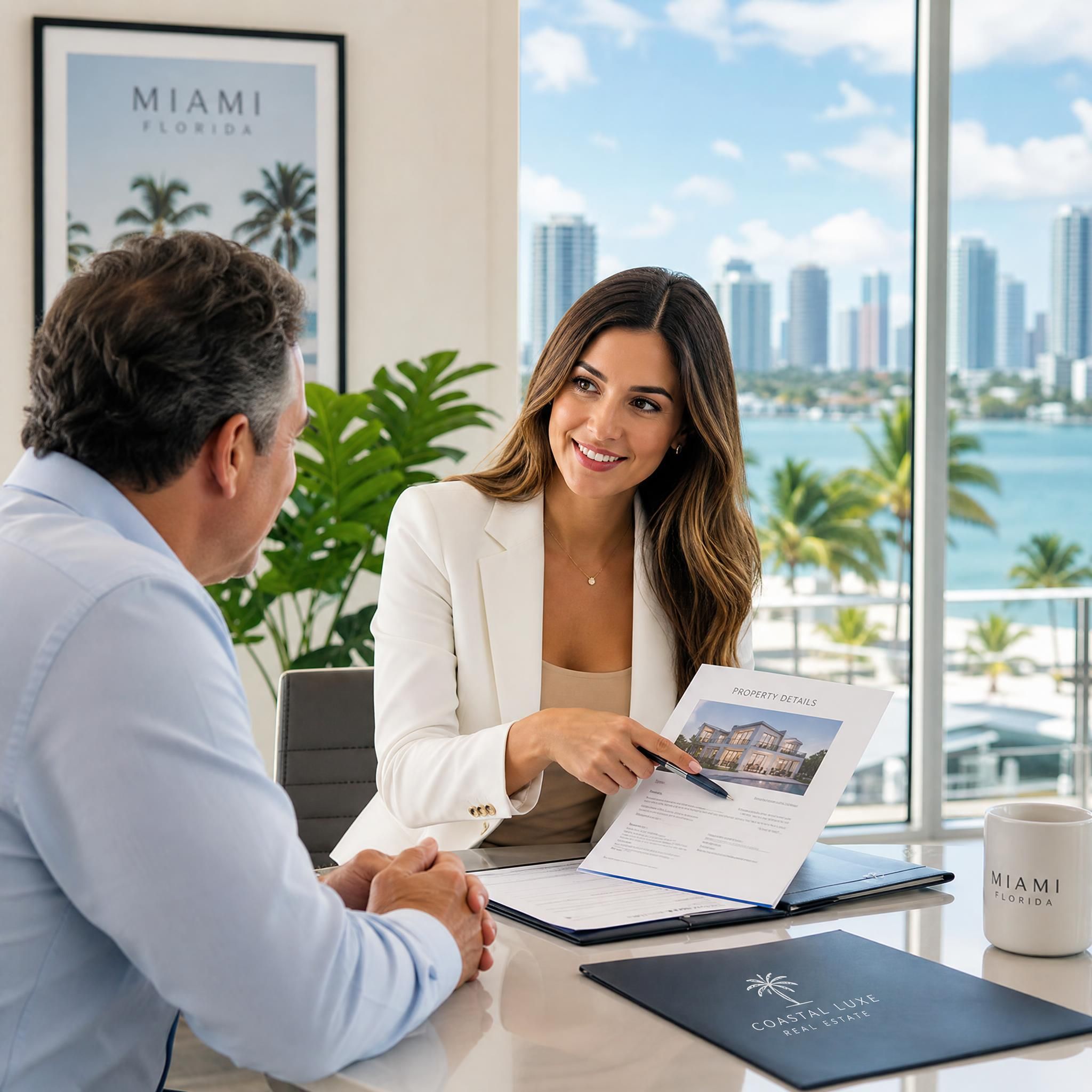
Inherited property sales in Miami-Dade involve layers that standard transactions don't: probate timelines, potential title complications, deferred maintenance, and emotional complexity. The heir in this case lived out of state and needed to resolve the estate without investing money in repairs.
The strategy
The agent presented three clear paths:
| Option | Timeline | Net Proceeds | Effort Required |
|---|---|---|---|
| Traditional MLS listing (after repairs) | 90–120 days | Highest | High (repairs, staging, showings) |
| MLS listing as-is | 45–75 days | Moderate-High | Moderate |
| Direct cash buyer / investor | 10–21 days | Moderate | Minimal |
Given the heir's priorities — speed, simplicity, and zero out-of-pocket costs — the agent recommended a competitive cash offer process. Rather than accepting the first unsolicited offer (a common and costly mistake), the agent solicited competing offers from multiple qualified investors.
Cash offers for inherited homes in the Miami market can arrive within 24 to 48 hours of inquiry, with closings typically completing in 10 to 15 days after offer acceptance. The key protection: gathering multiple competing cash offers before committing is the best protection against underpricing, since Miami inherited homes sometimes attract below-market unsolicited offers from buyers who assume heirs are motivated sellers.
In 2026, over 52% of all condo and townhome transactions in Southeast Florida were all-cash purchases, compared to a national average of 25% — meaning the cash buyer pool in Miami-Dade is deep and competitive.
The result
By generating three competing cash offers, the heir netted 11% more than the first unsolicited offer received — a difference of over $47,000 on a property in the $430,000 range. The transaction closed in 18 days, with no repairs, no staging, and no open houses.
Key takeaway: "Selling as-is" doesn't mean accepting the first offer. A skilled real estate agent South Florida sellers rely on for distressed or inherited properties will create competition even in a cash-buyer scenario — and that competition directly protects your net proceeds.
Case study 4: the investor exit in fort lauderdale — timing the market for maximum ROI
Property type: Single-family rental property
Location: Fort Lauderdale, Broward County
Situation: Long-term investor, property held since 2017, tenant lease expiring
The challenge
Real estate investors face a different calculus than primary residence sellers. The decision to exit is driven by cap rate compression, equity extraction strategy, and tax positioning — not emotional attachment. This investor had accumulated significant equity since 2017 and wanted to 1031 exchange into a larger asset.
The timing question was critical: list with the tenant in place (faster but potentially lower price) or wait for vacancy (higher price but delayed timeline)?
The strategy
The agent's recommendation was data-driven. The "Wall Street of the South" effect is real — Miami's office market and housing market are moving hand in hand, with Brickell, Coconut Grove, Miami Beach, Downtown, Key Biscayne, Coral Gables, and Wynwood identified as the hottest neighborhoods for buyers relocating with corporate employers. Fort Lauderdale's proximity to these employment corridors was a strong selling point.
The agent advised:
- Wait for vacancy (tenant lease expired naturally in 60 days) to maximize buyer pool — owner-occupants, not just investors, could now compete
- Light cosmetic refresh: paint, landscaping, and fixture updates totaling under $8,000
- Targeted marketing to 1031 exchange buyers via agent network and investor-focused listing platforms
The result
Home sales over $1 million in Broward rose 14% year-over-year in January 2026, with Southwest Ranches and Parkland leading with median sales of $2.7 million and $1.2 million respectively. While this property was in a lower price tier, the broader investor appetite in Broward created a competitive showing environment.
The property attracted four offers within the first 10 days. The investor accepted an offer 4.2% above list price from an owner-occupant buyer — a better outcome than any investor-only sale would have produced.
Key takeaway: For investor sellers in Broward County, the decision to wait for vacancy and open the property to owner-occupant buyers can meaningfully increase your final sale price. The cost of a 60-day delay was more than offset by a 4.2% premium at the closing table.
📊 Home sales over $1 million rose 14% year-over-year in January 2026 – Broward $1M+ Sales Growth
Key lessons across all four sales
These four case studies — spanning luxury estates, family homes, inherited properties, and investor exits — surface five universal principles for sellers in Miami-Dade and Broward:
-
Strategy precedes listing. Every successful sale above started with a deliberate plan, not a rushed MLS upload. Pre-listing preparation — whether it's staging, competing offers, or timing vacancy — directly impacts your final number.
-
Competition is the seller's best friend. Whether you're fielding cash offers on an inherited property or attracting multiple bids on a Pembroke Pines single-family, generating competition protects your price. Your agent's job is to create that competition.
-
Pricing discipline beats optimism. Overpricing is the single most common seller mistake in South Florida's current market. Equity-rich homeowners sitting on $200,000+ in gains since 2019 have a narrow, favorable window before more inventory returns later in 2026. Pricing correctly now captures that window.
-
Local expertise is irreplaceable. Each of these neighborhoods — Coral Gables, Pembroke Pines, Little Havana, Fort Lauderdale — has its own micro-market dynamics. A Miami realtor for sellers who knows the street-level data makes decisions that a generalist simply cannot.
-
The right agent changes the outcome. In every case above, the agent's network, strategy, and market knowledge directly translated into more money at closing or a faster, cleaner transaction. That's the measurable value of professional representation.
Chiffres clés
📊 +14% — Broward County single-family home sales growth year-over-year (Source: MIAMI Association of Realtors, March 2026)
💡 $949,327 — Average South Florida home sale price in March 2026, up 13.3% year-over-year (Source: Lamacchia Realty South Florida Housing Report)
🏡 52% — Share of Southeast Florida condo and townhome transactions completed as all-cash purchases in 2026 (Source: DealMate / Miami market data)
🏆 27% — Growth in Miami properties priced at $5M+ sold year-over-year in early 2026 (Source: MIAMI Association of Realtors)
Questions fréquentes (FAQ)
How long does it take to sell a house in miami-dade or broward county in 2026?
It depends on property type and pricing strategy. The median number of days between listing and contract dates for Broward single-family home sales was 44 days in March 2026, with a median time to sale of 81 days. Correctly priced, well-presented homes in high-demand areas can go under contract in under 30 days. Overpriced or poorly marketed properties can sit for 90+ days and ultimately sell for less.
Do i need a realtor to sell my house in florida?
Florida law does not require a licensed agent to sell your home, but the data strongly supports professional representation. Sellers who work with experienced local agents consistently achieve higher sale prices, faster closings, and fewer transaction failures. In complex situations — luxury sales, inherited properties, divorce settlements — an experienced Miami-Dade or Broward listing agent provides legal, logistical, and financial protection that is difficult to replicate independently.
What is the best time to sell a house in south florida in 2026?
The South Florida market has a longer selling season than most U.S. markets due to year-round demand from domestic and international buyers. That said, the spring window (February through May) historically produces the highest buyer activity and the strongest sale prices. Year-to-date sales of million-dollar homes in South Florida have risen to an all-time high since 2008, with 2,040 sales as of February 2026 — confirming that early-year momentum is real.
How much does it cost to sell a house in miami-dade or broward county?
Typical seller costs in Florida include agent commissions (negotiable, commonly 5–6% of sale price), title insurance (seller typically pays in South Florida), documentary stamp taxes ($0.70 per $100 of sale price), and any agreed-upon repair credits or closing cost contributions. On a $700,000 home, total seller costs typically range from 7–9% of the sale price, depending on negotiated terms.
How do i sell an inherited property in miami-dade?
Start by confirming probate status and clearing title through a Florida probate attorney. Once title is clear, you have three primary options: traditional MLS listing (as-is or after repairs), direct cash buyer, or a hybrid approach using competitive cash offers. An experienced real estate agent South Florida sellers trust for estate situations will help you evaluate all three paths and create competition among buyers — which is the most reliable way to maximize your net proceeds.
Conclusion
The South Florida real estate market in 2026 rewards sellers who approach the process with strategy, local expertise, and realistic expectations. The four case studies above — a Coral Gables luxury estate, a Pembroke Pines family home, an inherited Miami-Dade property, and a Fort Lauderdale investor exit — each produced strong outcomes not because of luck, but because of deliberate decisions made before and during the listing process.
Your property has its own story. The question is whether you'll have the right strategy to tell it effectively to the right buyers at the right price.
Let's create a custom selling strategy for your property. Contact us today for a free, no-obligation consultation and professional market analysis for your Miami-Dade or Broward County home. Whether you're a luxury homeowner, a first-time seller, or navigating a complex estate situation, we're here to help you close with confidence.