

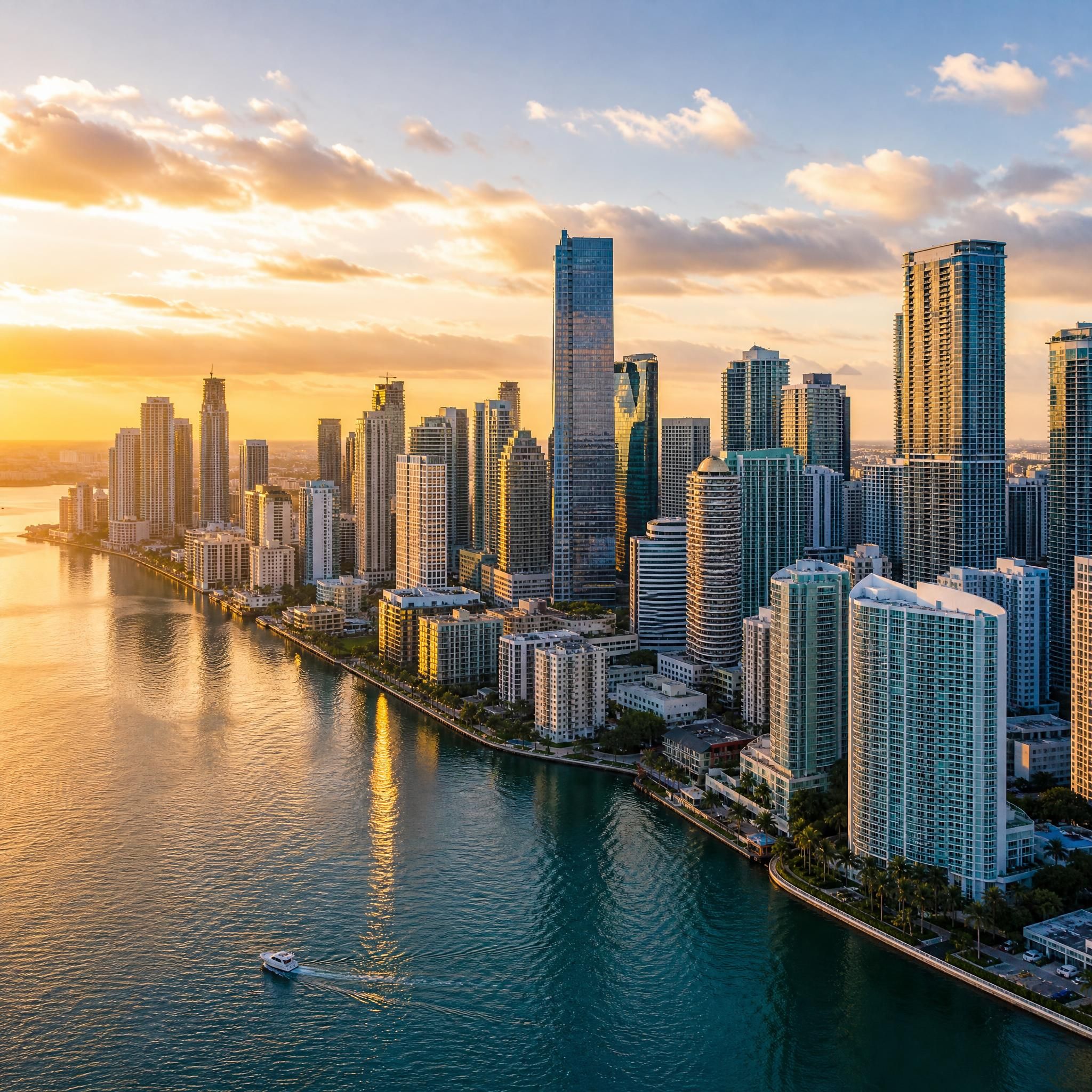
Miami is no longer just a luxury market — it's the luxury market. In a watershed shift that sent shockwaves through the real estate world, the Miami metro officially surpassed New York City by the end of 2025, boasting 10,513 active million-dollar listings compared to New York's 9,216. And the new construction pipeline is more ambitious than ever, with branded towers, waterfront masterpieces, and record-breaking financing deals reshaping the skyline.
But here's the truth no glossy brochure will tell you: buying a luxury new construction condo in Miami is not like buying any other property. The process has its own rules, its own risks, and — for buyers who know what they're doing — its own extraordinary rewards. Whether you're eyeing a Brickell penthouse, a Coconut Grove waterfront residence, or a pre-construction opportunity in Edgewater, this guide gives you the actionable strategies, insider knowledge, and step-by-step framework to buy smart in Miami's 2026 luxury new construction market.
Table of contents
- Why Miami's New Construction Market Demands a Different Playbook
- Step 1: Define Your Buyer Profile Before You Tour a Single Unit
- Step 2: Master the Neighborhood Matrix
- Step 3: Vet the Developer — Your Most Critical Due Diligence
- Step 4: Decode the Deposit Structure and Protect Your Capital
- Step 5: Evaluate Amenities, HOA Fees, and the True Cost of Luxury
- Step 6: Navigate Financing for Luxury New Construction
- Step 7: Negotiate Like a Pro and Secure Early-Buyer Advantages
- Common Mistakes to Avoid
- FAQ
- Key Statistics
Why miami's new construction market demands a different playbook
This geographic realignment reflects not only stronger inventory growth in Miami, but also the city's evolution from a seasonal luxury market into a year-round global hub for high-net-worth buyers — with more than 1 in 5 listings now priced above $1 million.
Fueling this boom is a remarkable international appetite. Global buyers purchased 52% of new South Florida construction, pre-construction, and condo conversion sales over the last 22 months, with buyers from 73 countries participating in the market. This isn't a temporary spike — it's a structural transformation.
Yet with that demand comes complexity. Pre-construction luxury condos in Miami operate on multi-year timelines, layered deposit schedules, and developer-specific contract terms that require expert navigation. The buyers who win are the ones who arrive prepared.
📊 10,513 active $1M+ listings — surpassing New York City – Miami Million-Dollar Listings
Step 1: define your buyer profile before you tour a single unit
The single biggest mistake luxury buyers make is falling in love with a building before clarifying what they actually need. Before you step into a sales gallery, answer these four questions honestly:
1. Primary Residence, Second Home, or Investment?
Your intended use drives every decision that follows — from neighborhood choice to unit size to HOA fee tolerance. A pied-à-terre buyer in Brickell has entirely different priorities than a family relocating from New York seeking Coconut Grove's top-rated schools and bayfront lifestyle.
2. Pre-Construction or Move-In Ready?
Pre-construction offers the opportunity to customize finishes, lock in today's pricing, and potentially realize appreciation before you ever move in. South Florida luxury real estate has seen consistent year-over-year appreciation, with pre-construction buyers often realizing 20–40% gains from reservation to closing. However, it demands patience — budget an extra 6–12 months beyond stated delivery dates.
3. What Is Your True All-In Budget?
Purchase price is only the beginning. Factor in:
- Staged deposits during construction (typically 30–50% of purchase price)
- Monthly HOA fees ($800–$1,500/month in most luxury buildings)
- Property taxes (approximately 1.8–2% of assessed value in Miami-Dade)
- Closing costs (2–5% of purchase price)
- Upgrade packages and custom finishes
4. What's Your Timeline?
If you need to be in a property within 12 months, pre-construction in early stages is not your answer. If you have a 3–5 year horizon, locking in a pre-construction unit at today's pricing can be a powerful wealth-building strategy.
Step 2: master the neighborhood matrix
Miami's luxury new construction market is not monolithic — each neighborhood delivers a radically different lifestyle. Here's how to match your priorities to the right address:
| Neighborhood | Best For | Price Range | Vibe |
|---|---|---|---|
| Brickell | Urban professionals, investors | $1M–$10M+ | Wall Street South energy |
| Coconut Grove | Families, primary residents | $1.8M–$15M+ | Village-in-the-city serenity |
| Edgewater | Waterfront seekers, value buyers | $800K–$5M | Emerging bayfront cool |
| Miami Beach | Oceanfront lifestyle, prestige | $2M–$50M+ | Glamour and beach culture |
| Wynwood/Design District | Culture lovers, art collectors | $1M–$8M | Creative energy, walkability |
Brickell remains the epicenter of Miami's new construction boom. Brickell is experiencing the most ambitious development cycle in its history, with more than a dozen major projects reshaping the neighborhood's skyline between 2026 and 2030, including ultra-luxury branded residences from Dolce & Gabbana (888 Brickell), Mandarin Oriental, St. Regis, and Cipriani.
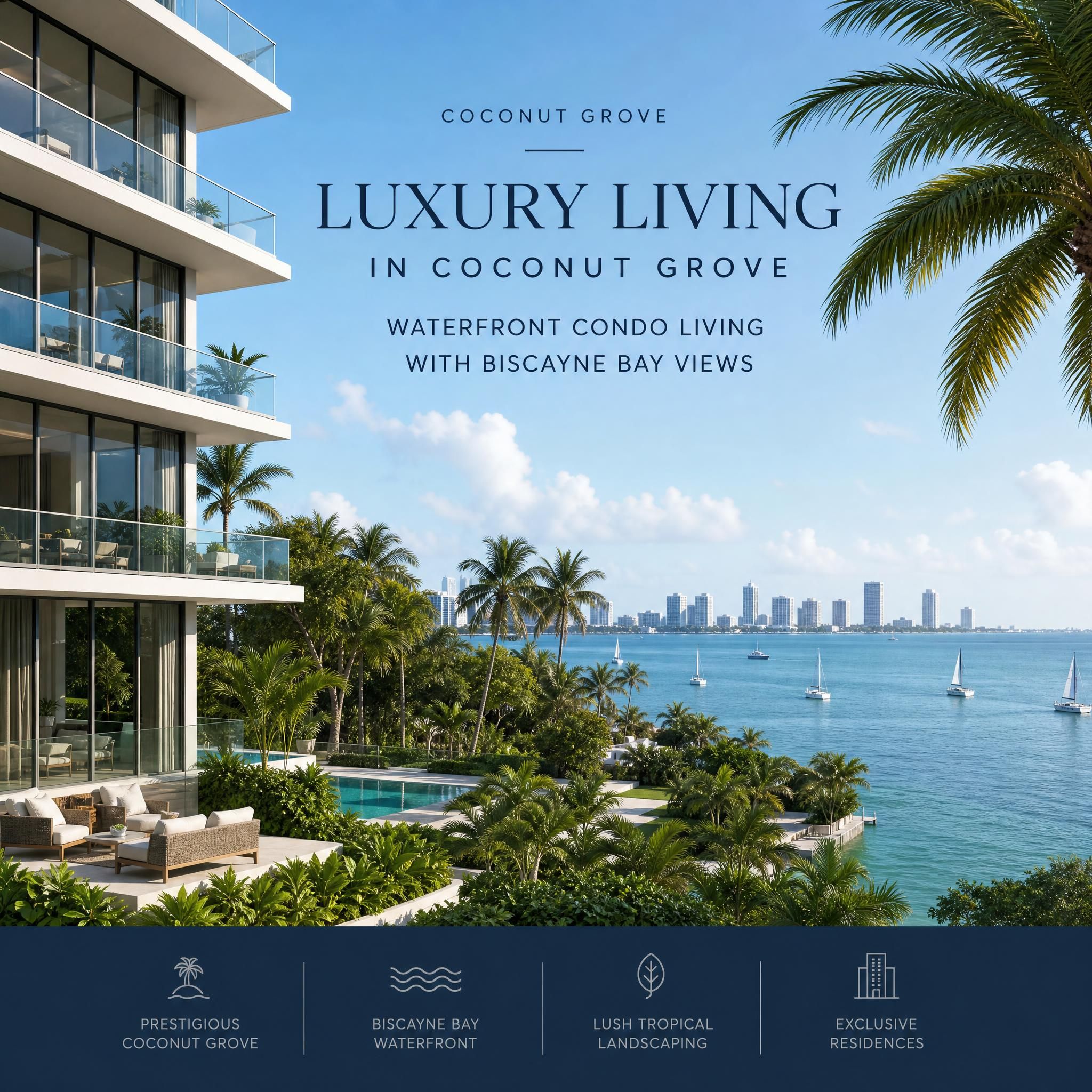
Coconut Grove is attracting buyers who want waterfront sophistication without the high-rise density. Four Seasons Private Residences Coconut Grove delivers an ultra-luxury waterfront lifestyle with just 72 residences, featuring private elevator access, soaring ceilings, unobstructed bay views, and fully integrated smart home systems. Meanwhile, The Well Coconut Grove introduces a new level of ultra-luxury living centered on holistic wellness, with 194 residences featuring Italian cabinetry, quartzite surfaces, and unique wellness features such as red light therapy closets, air purification systems, and spa-inspired bathrooms.
Pro Tip: Visit each neighborhood at different times of day — a Friday evening in Brickell feels nothing like a Sunday morning in Coconut Grove. Your lifestyle resonance with a neighborhood matters as much as the building specs.
Step 3: vet the developer — your most critical due diligence
In Miami's new construction market, the developer is everything. A stunning rendering means nothing if the developer has a history of delays, cost-cutting on finishes, or financial instability.
One of the most crucial steps in pre-construction due diligence is researching the developer's background and reputation — look for developers with a history of successful, on-time projects that align with Miami's luxury standards, using reviews, testimonials, and public records to assess reliability.
Your Developer Due Diligence Checklist:
✅ Track Record — How many completed projects do they have in Miami? Have they delivered on-time and on-spec? Developers like Related Group, Swire Properties, and Terra Group have established reputations in the market.
✅ Project Funding — Is the project fully funded? A fully funded project is less likely to experience delays or financial setbacks. Ask for proof of construction financing. (Note: JLL recently secured over $565M in construction financing for a single ultra-luxury Miami tower — that level of institutional backing is a strong signal of project viability.)
✅ Litigation History — Search public court records. Recent news of residents at one Aston Martin-branded tower filing construction defect claims is a reminder that even high-profile branded buildings can have issues. Always verify.
✅ Condominium Documents — Request and review the Declaration of Condominium, the Prospectus, and the Association's proposed budget. These documents reveal HOA fee projections, reserve funding, and any restrictions on rentals.
✅ Warranty Coverage — New construction is supported by a layered system of warranties, from manufacturers' warranties on appliances and equipment to developer and statutory warranties on the building structure itself.
✅ Pre-Closing Walk-Through Rights — Confirm in writing that you have the right to a detailed pre-closing walk-through to compile a punch list of items to be corrected before you take title.
Step 4: decode the deposit structure and protect your capital
Understanding how deposits work in Miami's luxury pre-construction market is non-negotiable. This is where significant capital is at stake — and where Florida law provides important protections.
The typical deposit structure for a luxury pre-construction condo totals 20 to 50% of the purchase price, paid in installments over the construction period. A common structure is 10% at contract execution, 10% at groundbreaking, 10% at the halfway construction milestone, and 10% at top-off — totaling 40% before closing.
How Florida Law Protects Your Deposits:
In Florida, the first 10% of deposits on a pre-construction condominium purchase is typically held in a dedicated escrow account and cannot be released to the developer until certain conditions are met. Beyond that threshold, additional deposits may be available to fund construction if the contract clearly discloses how those funds will be used.
Strategic Deposit Considerations:
- Early-Buyer Advantage: Friends & Family pricing is the first developer allocation released ahead of broker launch, typically 10–20% below public pricing — available only through direct developer relationships. Working with a specialist who has these relationships can save you hundreds of thousands of dollars.
- Negotiate Timing, Not Just Price: Some buyers prefer deposit structures weighted toward later construction phases to preserve liquidity. Ask your advisor whether the developer has flexibility on phasing.
- Assignment Rights: Understand your contract's assignment clause before signing. If your circumstances change, can you sell your contract before closing? Some luxury buildings restrict or prohibit assignments.
📊 20–40% average gains from reservation to closing – Pre-Construction Appreciation
Step 5: evaluate amenities, HOA fees, and the true cost of luxury
Miami's new construction luxury buildings have redefined what amenities mean — but every amenity has a cost embedded in your monthly HOA fee. Savvy buyers evaluate both the lifestyle value and the long-term financial commitment.
What Top-Tier Miami New Construction Delivers in 2026:
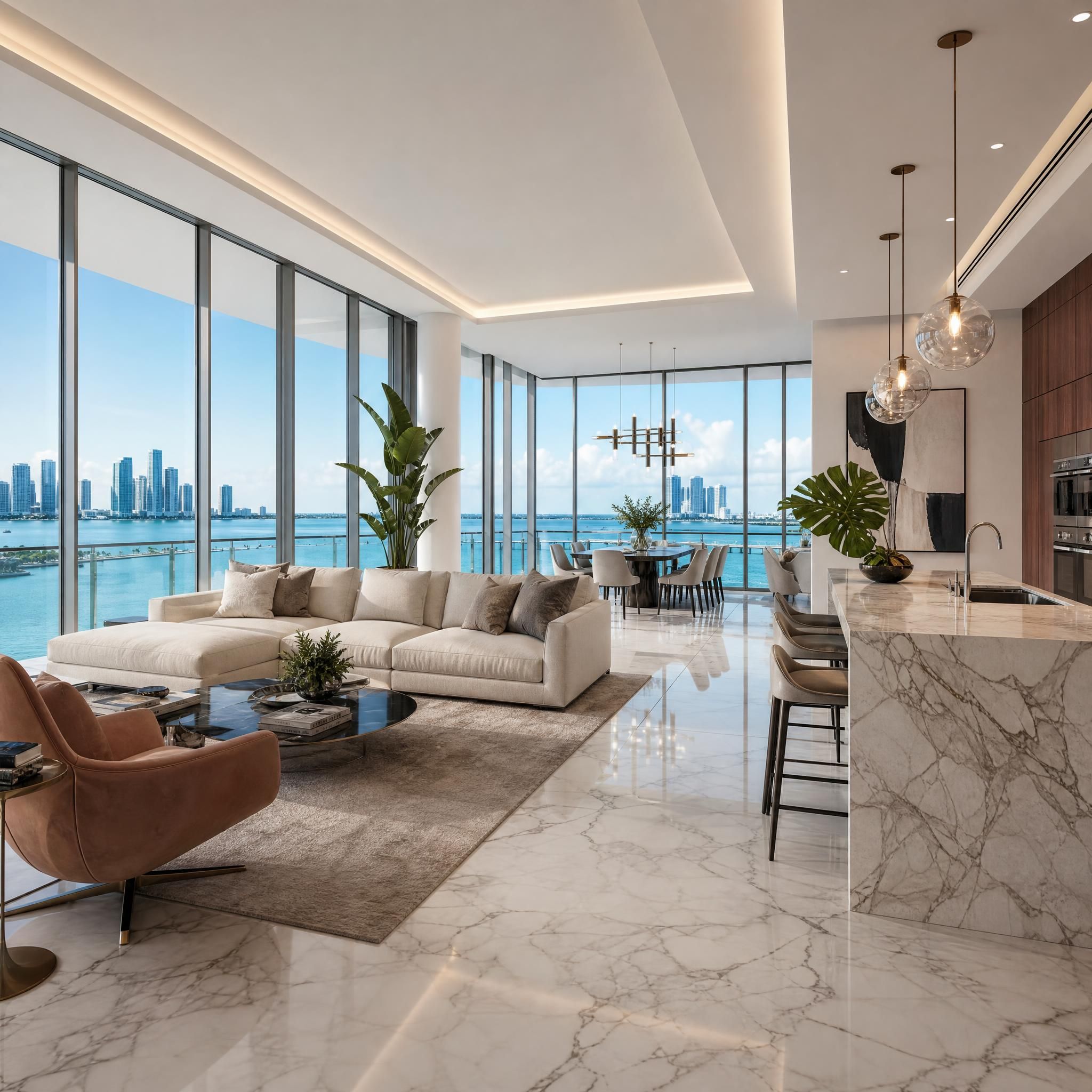
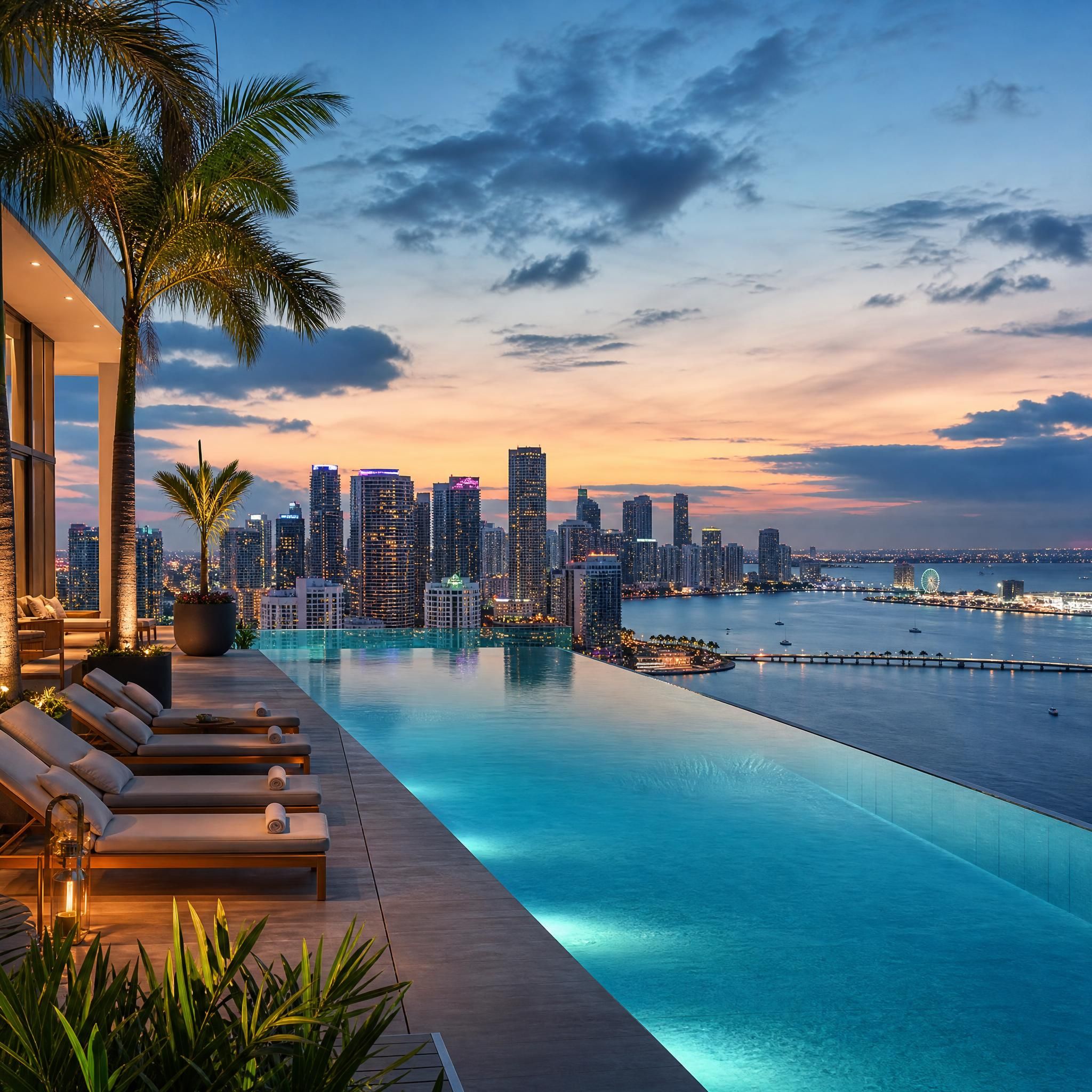
New Miami projects typically include resort-style pools, state-of-the-art fitness centers, coworking spaces, 24/7 concierge services, and smart home technology. The most sophisticated buildings go significantly further:
- Smart Home Integration: Fully finished units feature Savant premium smart-home tech systems with custom mobile app access, custom Italian cabinetry, gourmet kitchens, and high-end appliance packages.
- Wellness Amenities: Infrared saunas, red light therapy, air purification systems, spa-grade steam showers
- Branded Services: Full hotel-style concierge, in-residence dining, housekeeping, and spa access (in branded residences)
- Private Infrastructure: Private elevators, flow-through floor plans, dedicated storage, private garages
HOA Fee Reality Check:
The typical Miami luxury condo carries $800 to $1,500 in monthly HOA fees, so a 12-month waiver (sometimes offered as a developer incentive) delivers $9,600 to $18,000 in value.
Ask developers specifically:
- What is included in the HOA fee?
- What are the projected reserve contributions?
- Are there any special assessments anticipated?
- What is the rental policy (short-term vs. long-term)?
Comparison: What You Get at Different Price Points
| Monthly HOA | Typical Inclusions | Building Profile |
|---|---|---|
| $800–$1,000 | Basic amenities, security, maintenance | Mid-luxury, smaller buildings |
| $1,000–$1,500 | Resort pool, gym, concierge, valet | Full-service luxury towers |
| $1,500–$3,000+ | Hotel-style services, spa, dining, housekeeping | Ultra-luxury branded residences |
Step 6: navigate financing for luxury new construction
Financing a pre-construction luxury condo in Miami requires a fundamentally different approach than a standard mortgage — and the timing matters enormously.
The Core Challenge: Pre-construction condos are purchased years before delivery. Most lenders won't issue a mortgage commitment on a property that doesn't yet exist. This means your financing strategy must account for the construction timeline.
Your Financing Options:
-
All-Cash Purchase: The simplest approach, especially for international buyers. Eliminates financing risk and can strengthen your negotiating position with developers.
-
Construction-to-Permanent Loan: Some lenders offer programs that convert to a permanent mortgage upon building completion. Lock in your rate early if rates are favorable.
-
Foreign National Mortgage Programs: Foreign buyers typically pay the same deposit schedule as domestic buyers (20–50% during construction). Financing options are more limited for non-residents, but several banks offer foreign national mortgage programs with 30–50% down.
-
Super Jumbo Financing: For purchases above $3M, work with lenders specializing in jumbo and super-jumbo products. Asset depletion programs allow high-net-worth buyers to qualify based on assets rather than traditional income documentation.
Timing Your Mortgage Application:
Apply for pre-approval early to understand your buying power — but don't lock in a rate until 90–120 days before your anticipated closing date. Construction delays are common, and rate locks have expiration dates.
Step 7: negotiate like a pro and secure early-buyer advantages
Many buyers assume luxury new construction prices are fixed. They're not — but you need to know what's negotiable and what isn't.
What Developers Will Negotiate:
- Upgrade Packages: Complimentary upgrade packages offering premium flooring, upgraded appliances, and smart home integration might represent $40,000 to $75,000 in retail value. Push for these early.
- HOA Fee Waivers: 6–12 months of HOA fees waived at closing is a common incentive, especially in buildings still filling inventory.
- Parking and Storage: Additional parking spaces and storage units are often negotiable, particularly in early sales phases.
- Customization Options: In pre-construction, you may have the ability to modify layouts, finishes, and even combine units — negotiate this window before groundbreaking.
- Assignment Rights: If you're buying as an investor, negotiate favorable assignment language that allows you to sell your contract before closing.
What Typically Isn't Negotiable:
- Base purchase price in high-demand buildings (especially branded residences)
- Deposit structure and schedule
- Delivery timeline guarantees
The Early-Buyer Strategy:
The best units and best pricing go to buyers who move first. Friends & Family pricing — the first developer allocation released ahead of broker launch — is typically 10–20% below public pricing. Establishing relationships with specialists who have direct developer access before a project launches publicly can be the difference between securing your preferred unit at pre-launch pricing and paying market price for whatever's left.
"Global buyers purchased 52% of new South Florida construction and pre-construction sales over the last 22 months"
— MIAMI Association of Realtors
Common mistakes to avoid
Even sophisticated buyers make costly errors in Miami's new construction market. Here are the pitfalls to sidestep:
❌ Letting marketing make your decisions. Stunning renderings and celebrity brand partnerships generate excitement — but your purchase decision should be grounded in price-per-square-foot versus resale comps, developer track record, and location fundamentals.
❌ Ignoring the HOA budget. An underfunded reserve account can lead to special assessments — unexpected one-time charges that can run into the tens of thousands. Always review the proposed budget's reserve funding percentage.
❌ Underestimating the timeline. Construction delays are the norm, not the exception. If your financial plan requires you to be in the property or receive rental income by a specific date, build in a 6–12 month buffer.
❌ Skipping independent legal review. Miami developer contracts are drafted to protect the developer. Hire your own real estate attorney — not the developer's recommended counsel — to review every document before you sign.
❌ Overlooking the rental policy. If rental income is part of your investment thesis, confirm the building's short-term rental policy before purchasing. Many luxury buildings restrict Airbnb-style rentals.
Questions fréquentes (FAQ)
How much deposit do i need to buy a luxury new construction condo in miami?
Most luxury pre-construction towers in Miami require a total deposit of 30–50% of the purchase price, paid in stages over the construction period. A typical structure involves 10% at contract signing, 10% at groundbreaking, 10% at the halfway construction milestone, and 10% at top-off — with the remaining 50–70% due at closing. Some developers offer lighter 20% deposit structures to attract early buyers.
Can international buyers purchase new construction luxury condos in miami?
Absolutely. International buyers currently account for 52% of all new construction sales in South Florida, with buyers from 73 countries participating in the market. No special visa or residency status is required. Foreign buyers follow the same deposit schedule as domestic buyers, and several lenders offer foreign national mortgage programs requiring 30–50% down. A U.S.-based real estate attorney and a U.S. bank account for deposit transfers are strongly recommended.
What is the difference between pre-construction and new construction in miami?
Pre-construction refers to purchasing a unit before or during the building phase — often 2–4 years before delivery. New construction typically refers to recently completed or nearly complete buildings. Pre-construction offers the greatest customization opportunities and early-buyer pricing advantages, while newly delivered buildings allow you to see the finished product before committing and move in on a shorter timeline.
How do i evaluate whether a miami developer is trustworthy?
Research their completed project history, on-time delivery record, and any litigation or construction defect claims. Review the project's financing (fully funded projects carry less risk), examine the condominium documents, and ask your buyer's agent for independent assessments. Established developers like Related Group, Swire Properties, and Terra Group have long track records in Miami's luxury market.
What are the ongoing costs of owning a luxury condo in miami beyond the mortgage?
Plan for monthly HOA fees of $800–$3,000+ depending on the building's amenities and services, property taxes of approximately 1.8–2% of assessed value annually, homeowner's insurance (including flood and wind coverage), and any special assessments. Branded residences with full hotel-style services sit at the higher end of the HOA spectrum but deliver commensurate lifestyle value.
Chiffres clés
📊 10,513 active million-dollar listings in Miami — officially surpassing New York City for the first time in nearly a decade (Source: Realtor.com Luxury Outlook 2026)
💡 52% of all new construction sales in South Florida were purchased by international buyers from 73 countries (Source: MIAMI Association of Realtors, 2025)
🏗️ 20–40% average appreciation realized by pre-construction buyers from reservation to closing in South Florida's luxury market (Source: Manhattan Miami, 2026)
💰 $5B+ in new luxury development currently in Miami's pipeline, with over a dozen major projects reshaping Brickell alone between 2026 and 2030 (Source: Manhattan Miami Market Data)
Conclusion: your move starts with the right strategy
Miami's luxury new construction market in 2026 is one of the most dynamic — and most complex — real estate environments in the world. The opportunity is real and the upside is compelling, but the buyers who capture it are those who approach the process with preparation, expert guidance, and a clear-eyed understanding of how this market actually works.
The steps in this guide aren't just theory — they're the exact framework that separates buyers who secure their dream residence at pre-launch pricing from those who overpay for what's left. Define your profile. Master the neighborhoods. Vet the developer. Understand your deposits. Know your financing options. And always, always negotiate.
Whether you're drawn to the urban sophistication of a Brickell branded tower, the waterfront serenity of a Coconut Grove boutique development, or the oceanfront glamour of a Miami Beach high-rise, the path to your ideal property runs through informed decision-making.
Ready to take the next step? Schedule a private consultation with our luxury real estate specialists to receive a curated shortlist of Miami's best new construction opportunities matched to your specific criteria, timeline, and investment goals. Your Miami dream deserves more than a brochure — it deserves a strategy.


